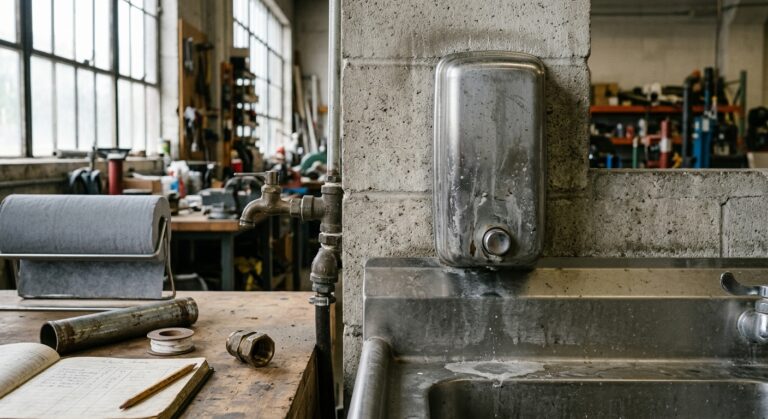
Pros & Cons of Automatic Soap Dispensers in Commercial Restrooms
A specification-focused review of automatic and multifeed soap dispensers for airports, offices, universities, healthcare facilities, hospitality properties, and other high-traffic commercial restrooms.
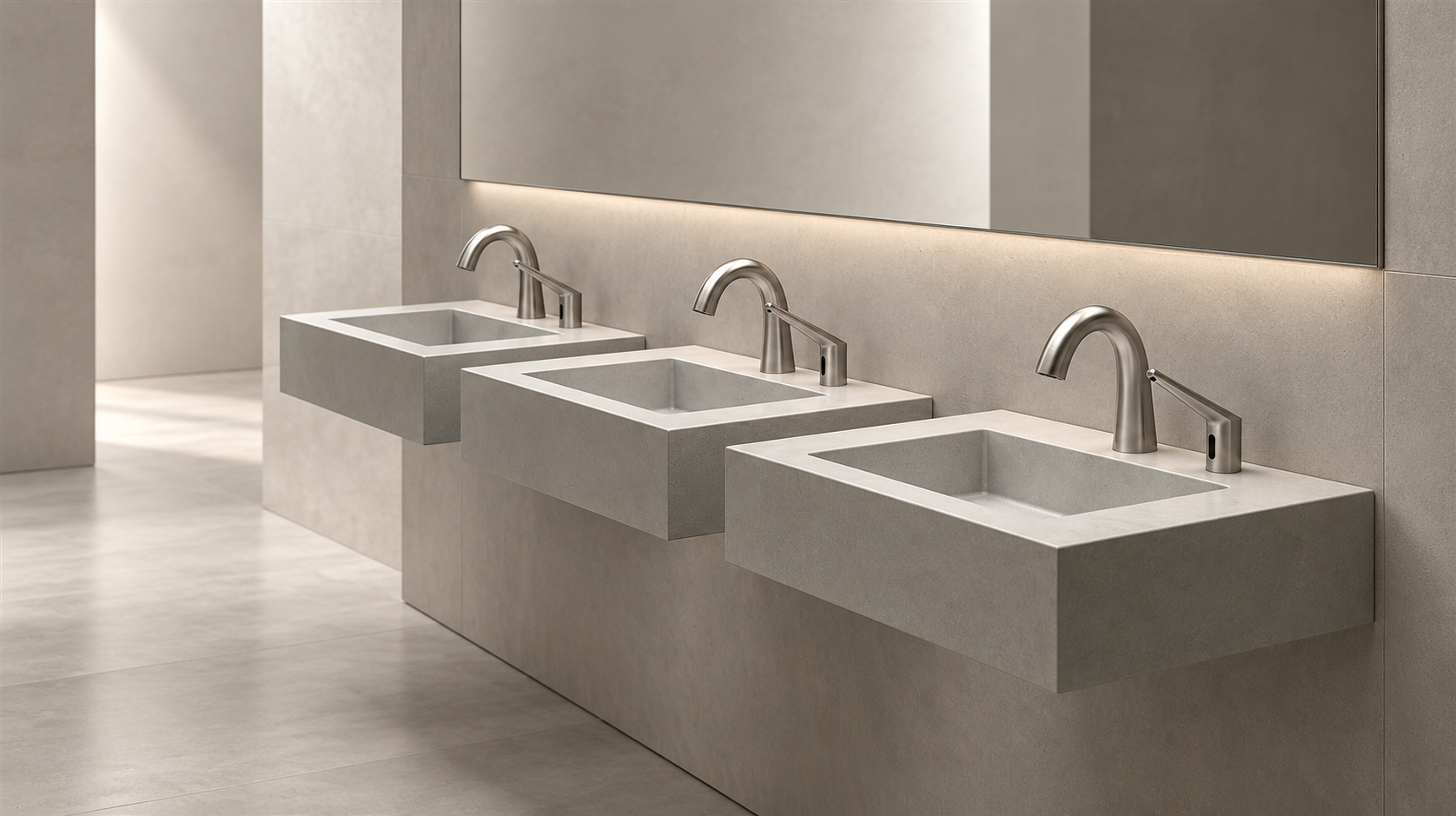
Focus: high-traffic commercial spaces (office towers, airports, universities, 5-star hospitality, healthcare) with a special emphasis on the Fontana Multifeed Soap Dispenser System.
Automatic soap dispensers have rapidly become the default in commercial restrooms. For architects, engineers, and facility managers, the real decision is not just manual vs. automatic, but individual dispensers vs. multifeed systems that support entire banks of sinks from a central reservoir—especially in airports, large offices, and stadiums.
This guide goes over the main pros and cons of automatic soap dispensers and then focuses on the Fontana Multifeed Soap Dispenser System as an example of how to make hygiene scalable.
Automatic vs. Manual Soap Dispensers: What Changes in Commercial Restrooms?
Industry guidance on commercial washrooms consistently highlights that automatic (sensor-activated) soap dispensers reduce touch points, help standardize soap doses, and can cut waste compared with manual push-bar units, especially in high-traffic facilities. At the same time, they cost more up front and require power and sensor configuration. You’ll find this debate covered by multiple commercial washroom resources.
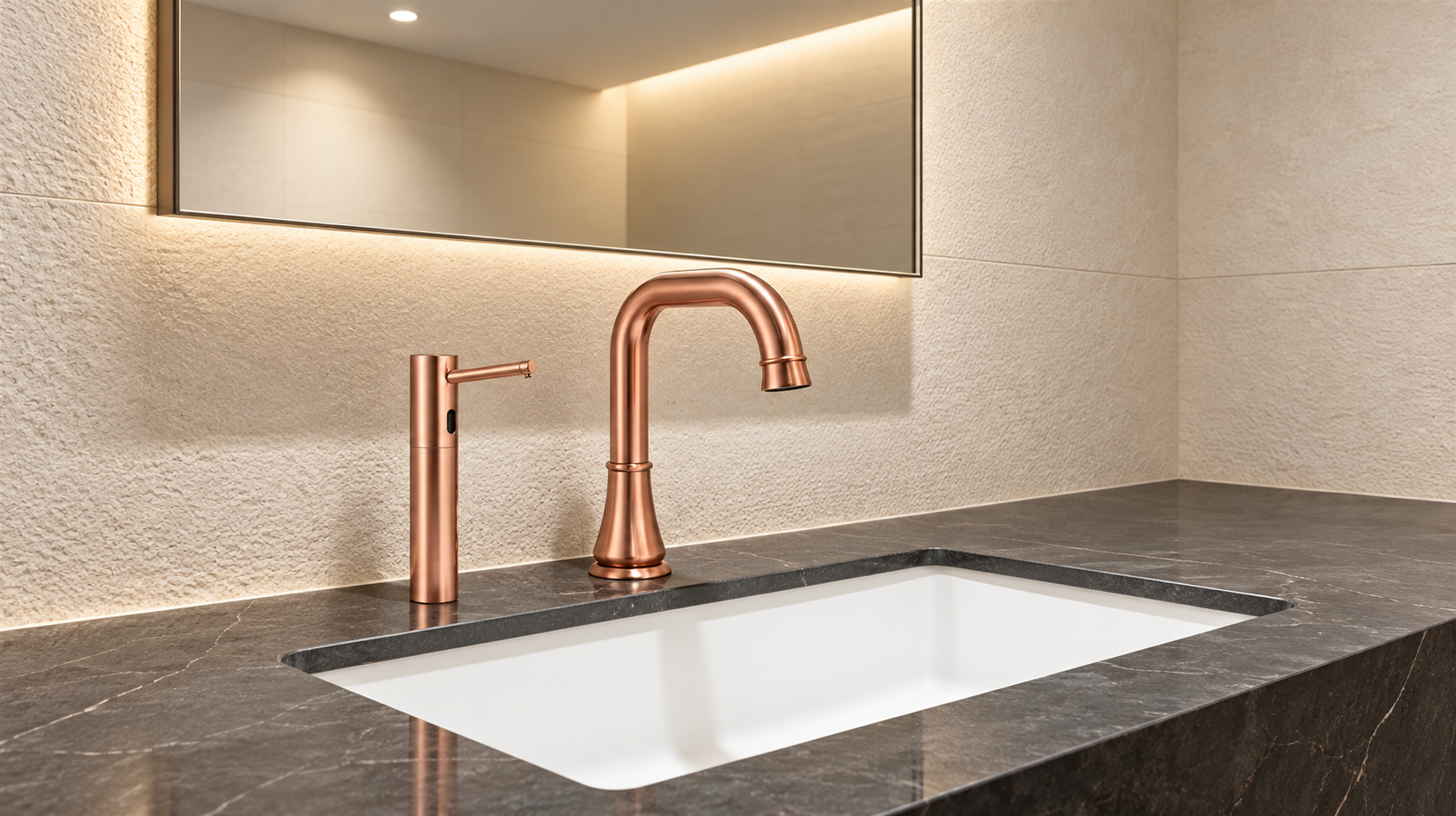
Key Advantages of Automatic Soap Dispensers
- Improved hygiene: touch-free operation reduces cross-contamination and contact with shared surfaces.
- Consistent dosing: each activation delivers a controlled quantity of soap, reducing waste and variability.
- Perceived cleanliness & modernity: touchless fixtures signal a high standard of hygiene and contemporary design.
- Water & soap savings: pairing automatic soap with touchless faucets often reduces overall consumption.
- Accessibility: easier for users with limited dexterity compared with stiff manual push bars.
Key Drawbacks and Design Pitfalls
- Higher upfront cost: hardware and installation are more expensive than simple manual dispensers.
- Power dependence: batteries or power supplies must be monitored and replaced or serviced.
- Sensor misfires: poorly positioned or tuned sensors can cause no-dispense or nuisance dispenses.
- Soap compatibility: many systems require specific viscosities; wrong soap can clog pumps or damage seals.
- Maintenance training: staff must understand sensor windows, refill methods, and error indicators.
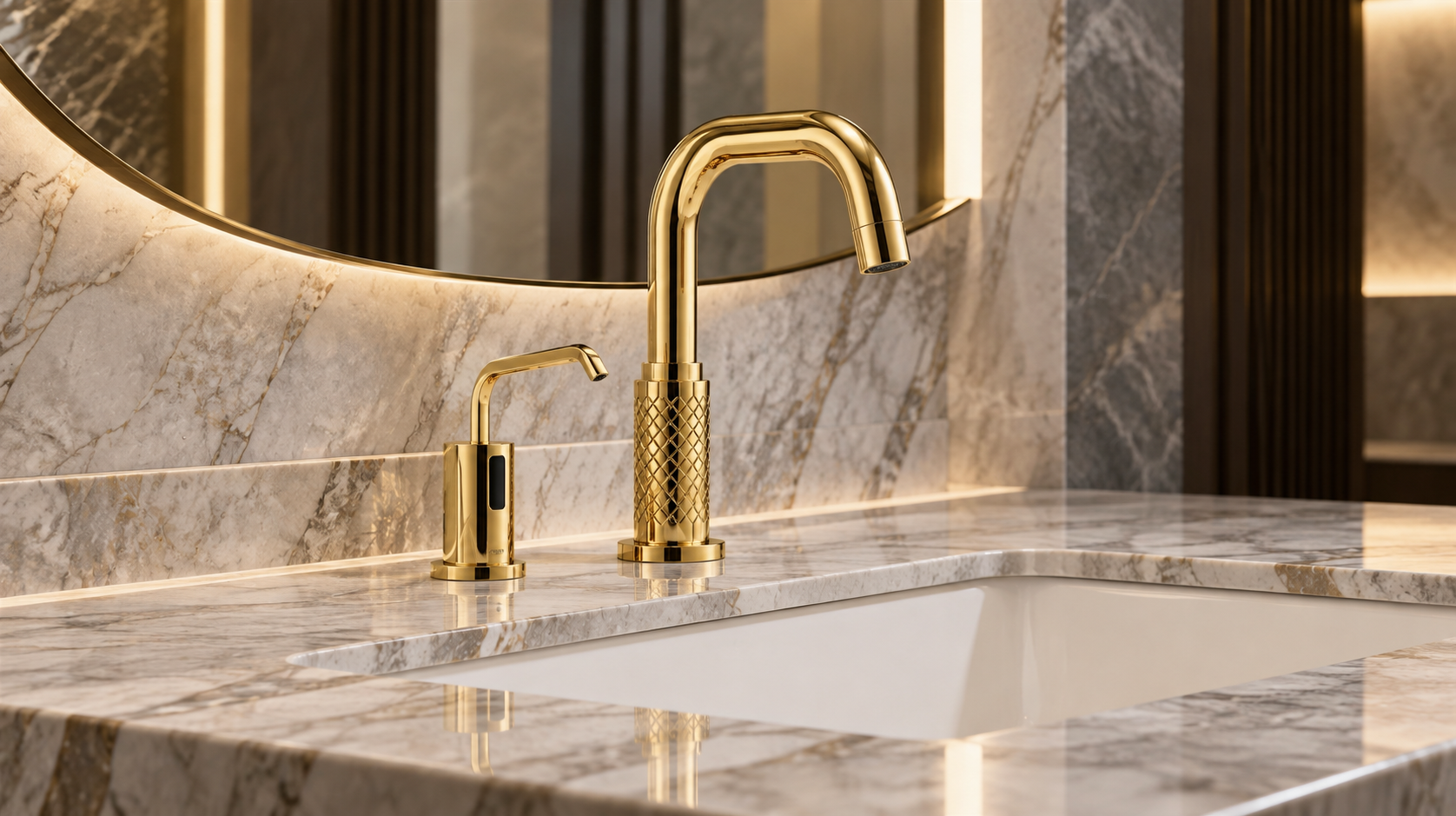
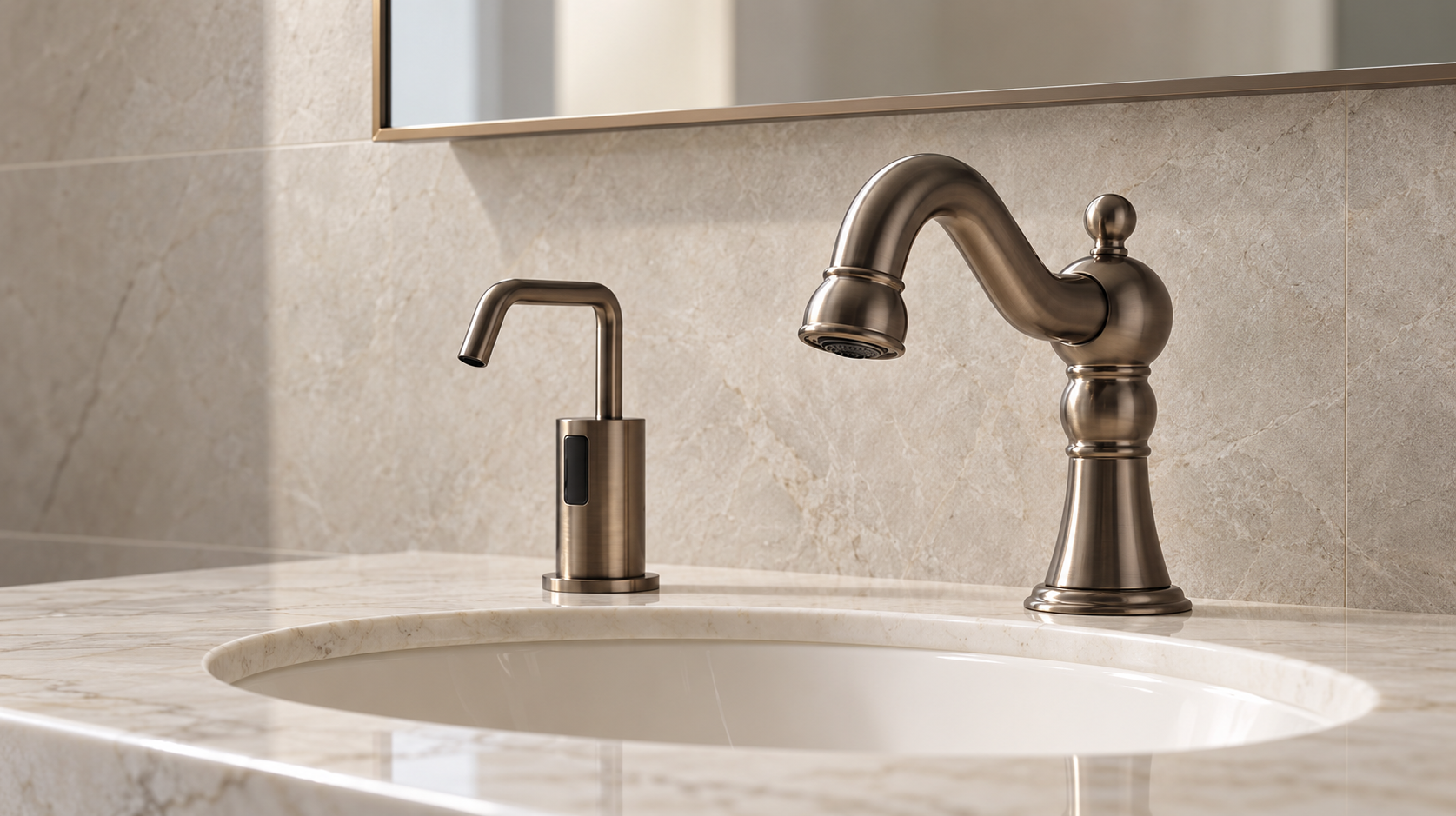
In short: automatic dispensers are rarely chosen purely on “cool factor” anymore—hygiene, user expectation, and long-term cost control usually justify the investment, especially when systems are standardized across a campus.
Where Automatic Soap Dispensers Shine: High-Traffic, Multi-Sink Layouts
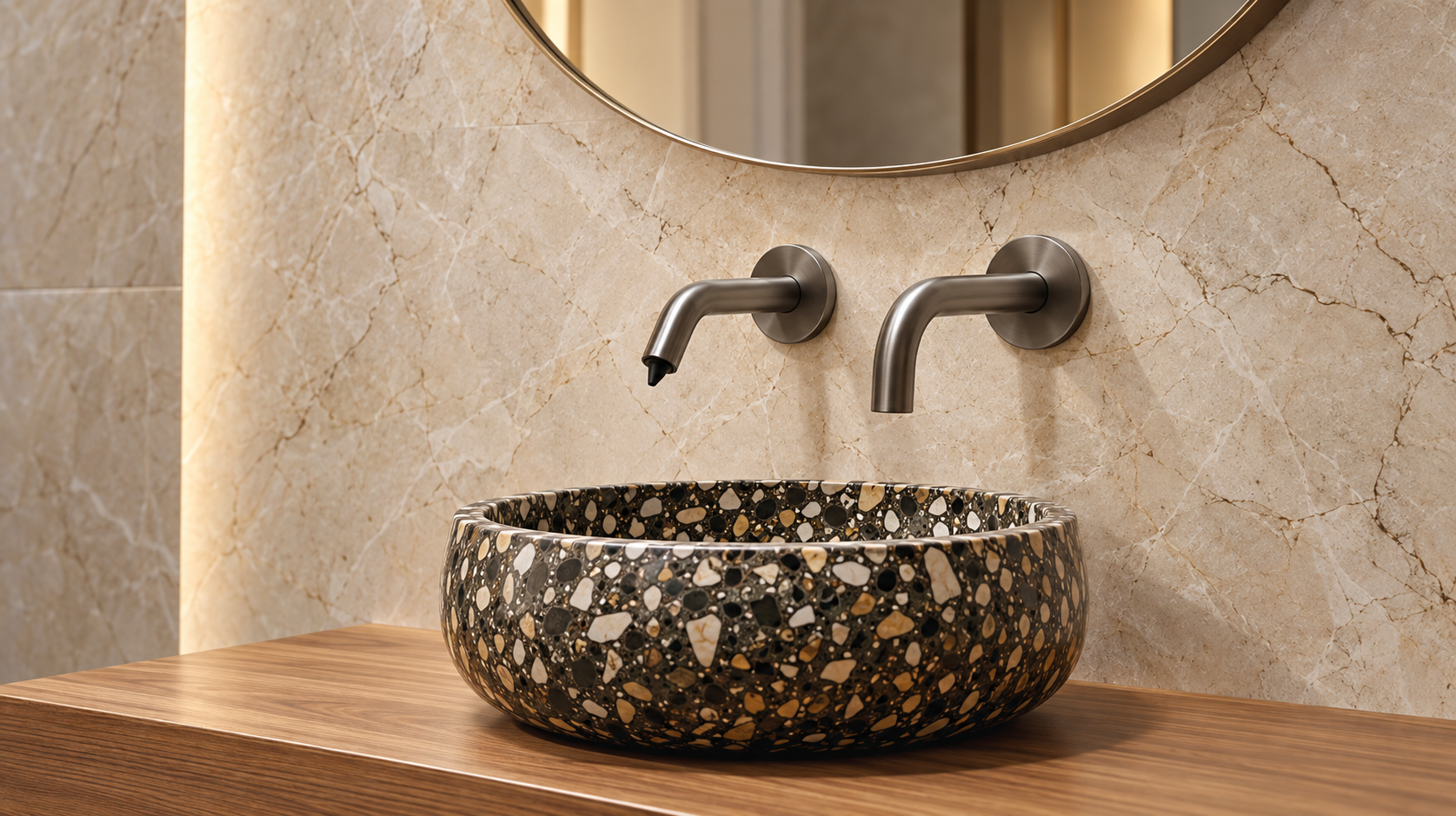
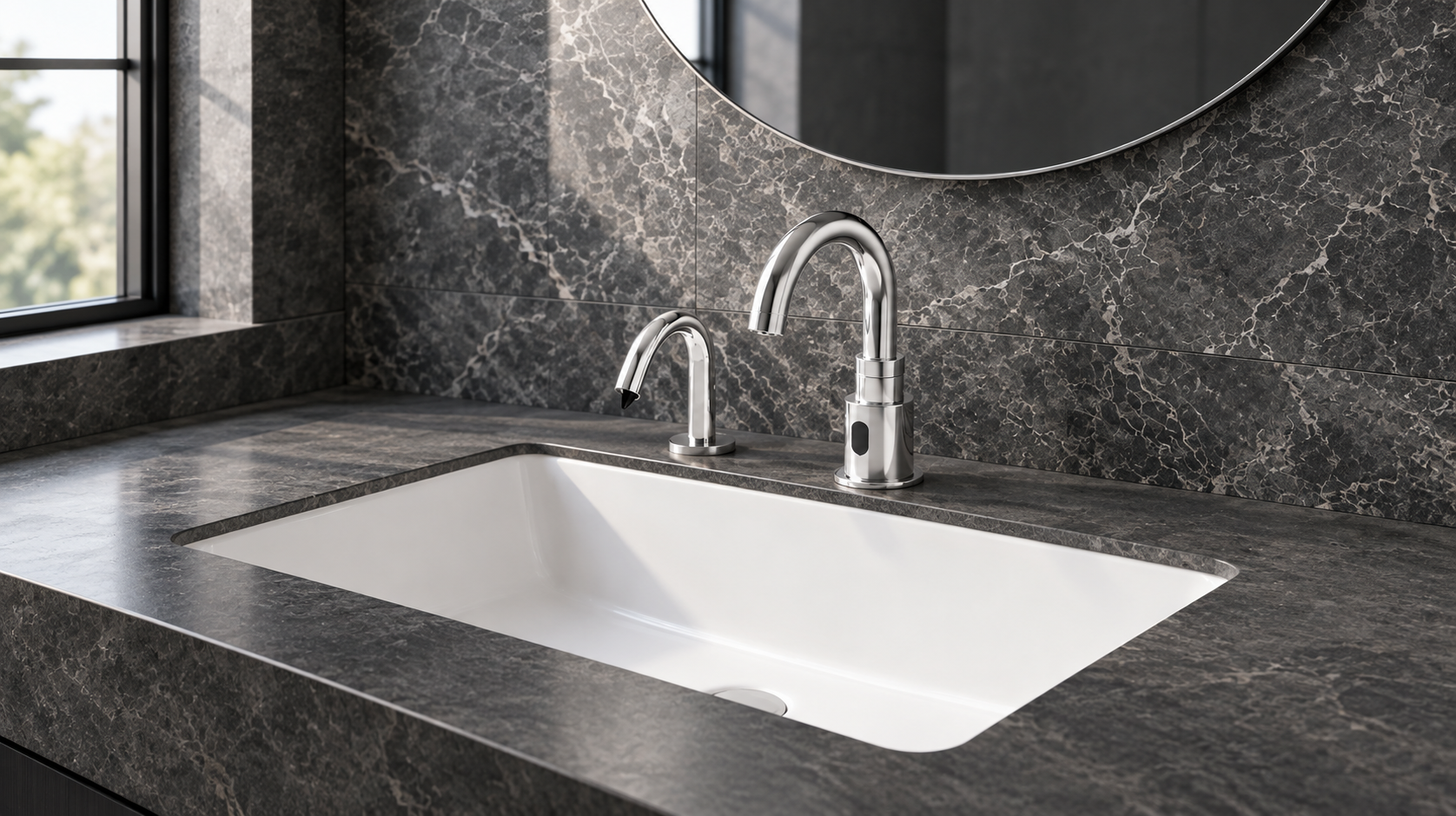
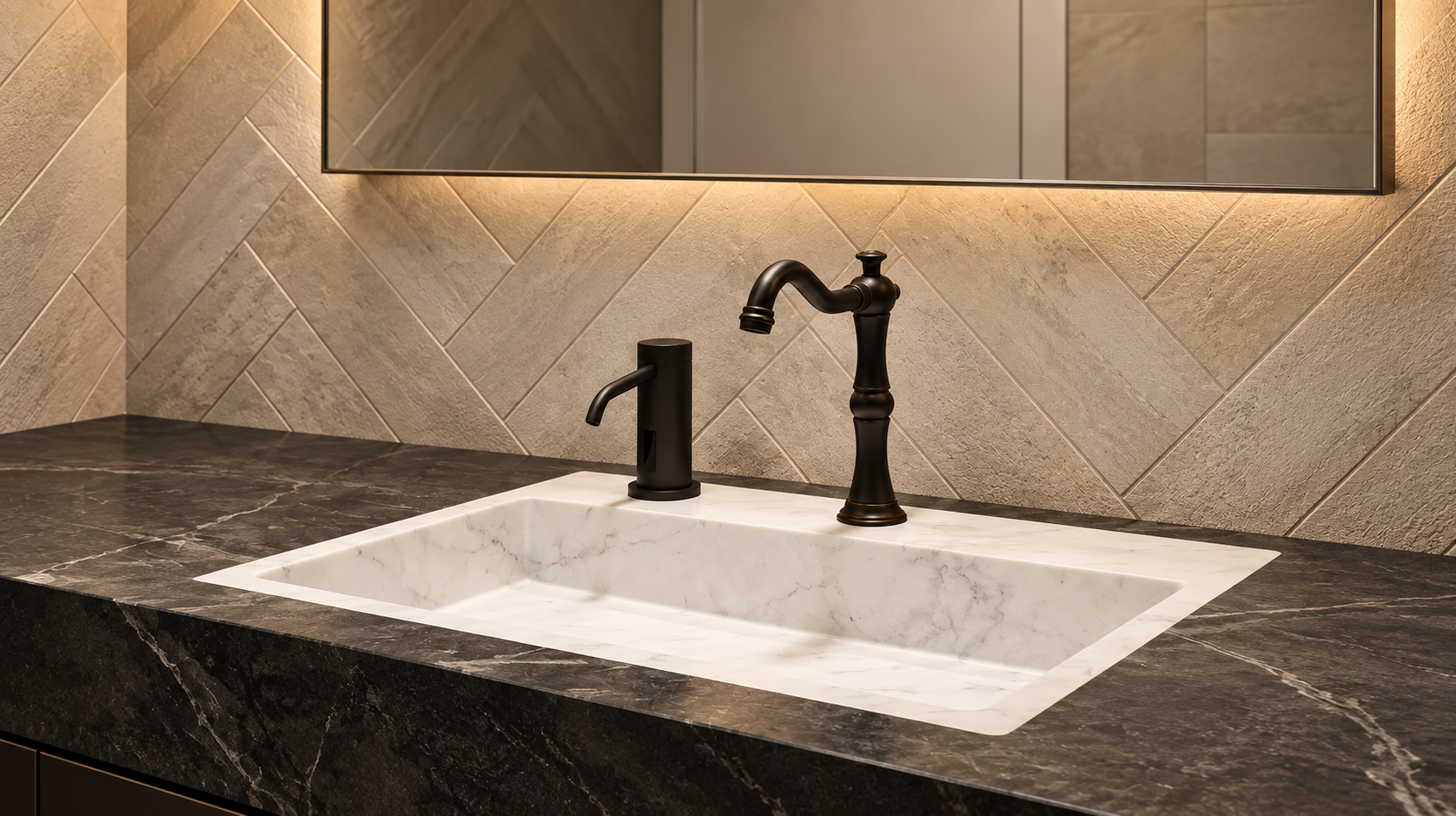
The higher the daily user count, the more an automatic system pays off. Large office towers, airport concourses, universities, and healthcare facilities benefit from controlled doses, robust hardware, and centralized refilling strategies that keep soap available across many sinks with minimal downtime.
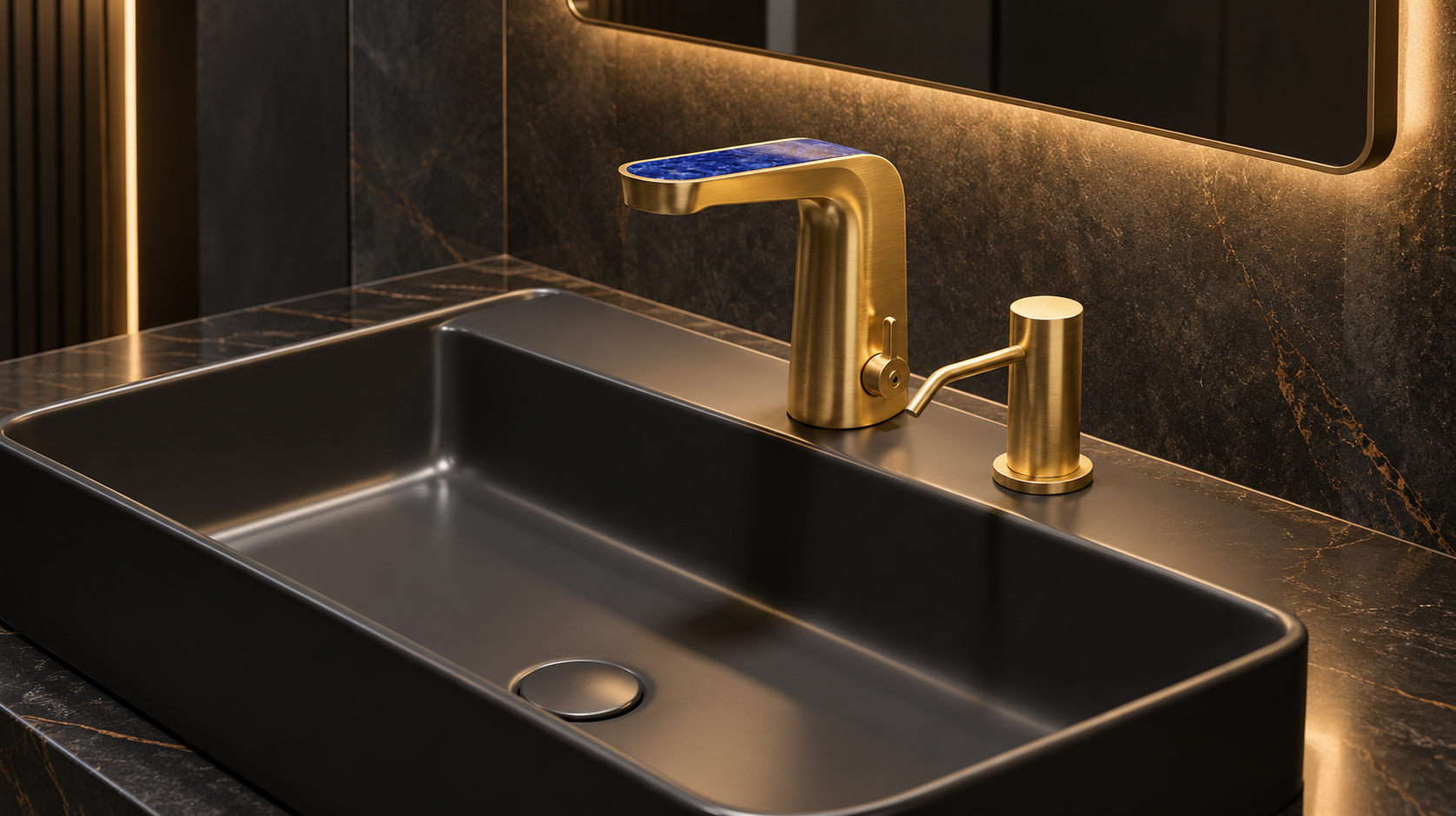
Why Multifeed Systems Matter at Scale
A standard automatic dispenser has its own small refill cartridge or bulk tank. In a large facility this means dozens or hundreds of individual refills to check, top up, and troubleshoot. Multifeed systems flip this model: a central reservoir (often top-filled from the counter) feeds many dispensers through tubing.
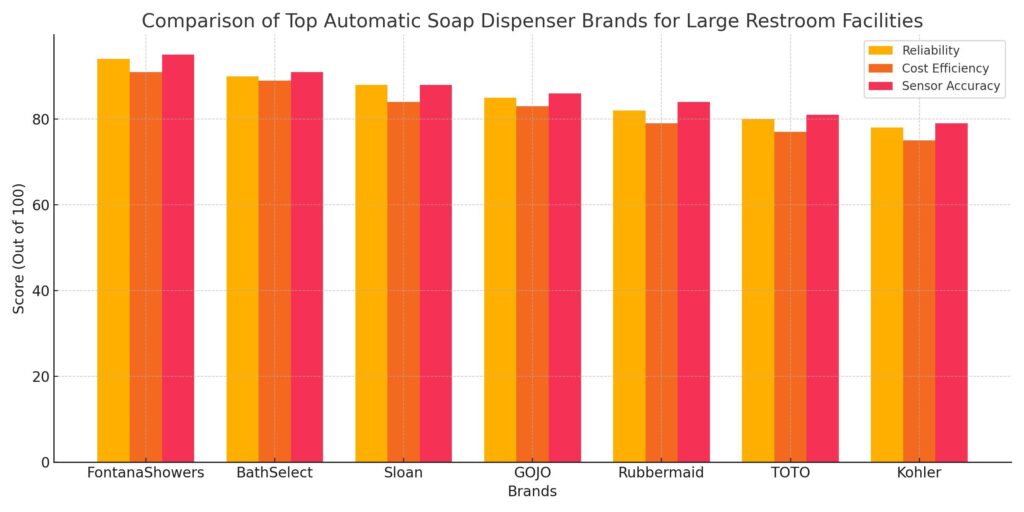
System Performance Metrics in High-Traffic Soap Dispensing Design
In high-traffic commercial restrooms, automatic soap dispensers should be evaluated using measurable performance criteria rather than treated as generic accessories. Key technical metrics include dose volume per activation (ml), sensor response time (ms), activation reliability (%), and refill interval (days or cycles) . These parameters directly influence user experience, soap consumption, and maintenance workload across office buildings, airports, hospitals, and large public facilities.
Multifeed soap dispensing systems introduce additional system-level considerations such as central reservoir capacity (liters), distribution consistency across multiple outlets, and redundancy planning . In large lavatory banks, maintaining equal dosing across all dispensers and preventing downtime from a single reservoir failure becomes critical for both hygiene compliance and operational continuity.
From a specification standpoint, these metrics should be documented within BIM families and construction submittals to support coordination between plumbing, electrical, and facilities teams. Properly defined performance data enables better lifecycle planning, predictable refill schedules, and alignment with smart building strategies such as telemetry-based maintenance and usage tracking.
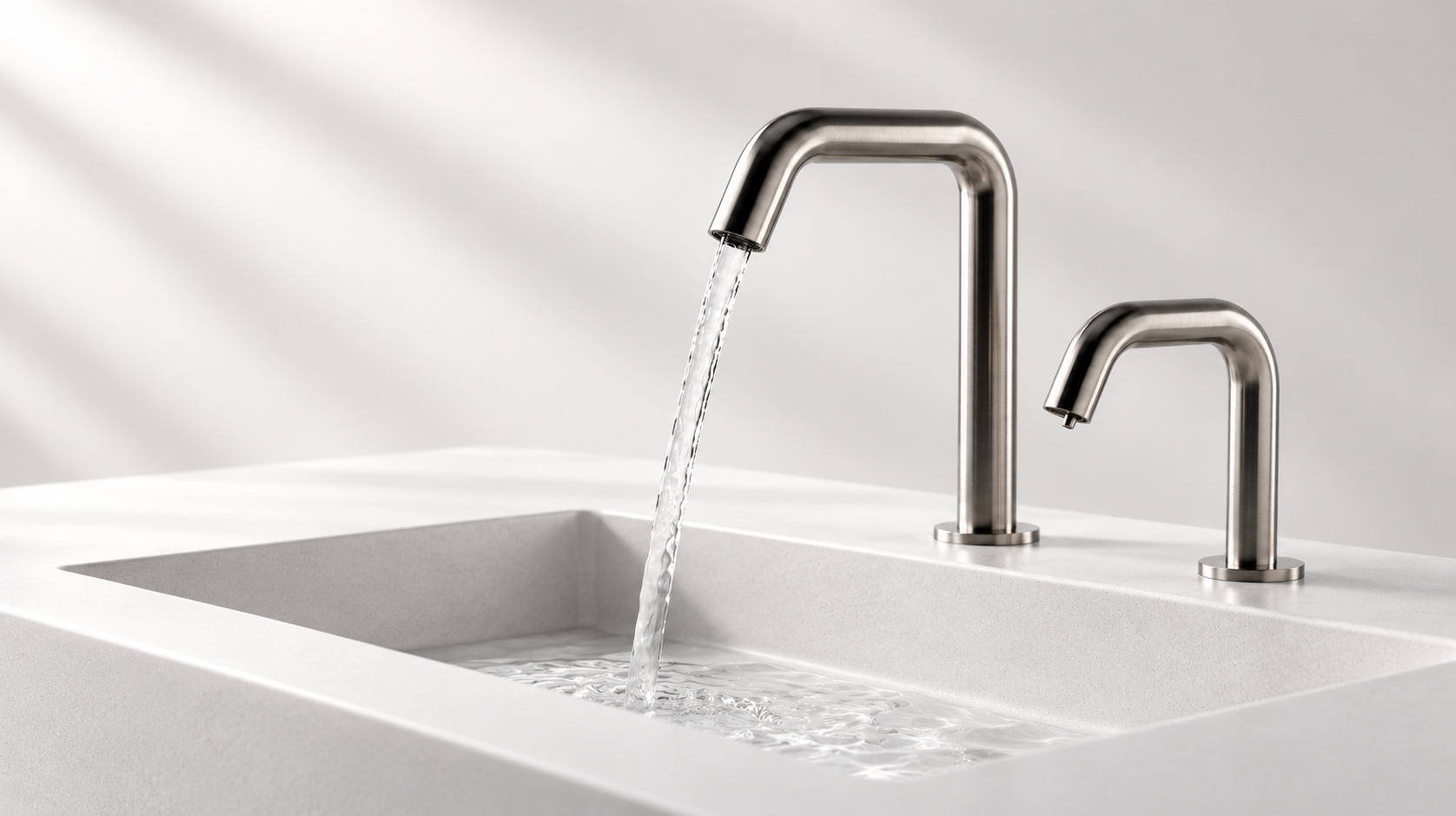
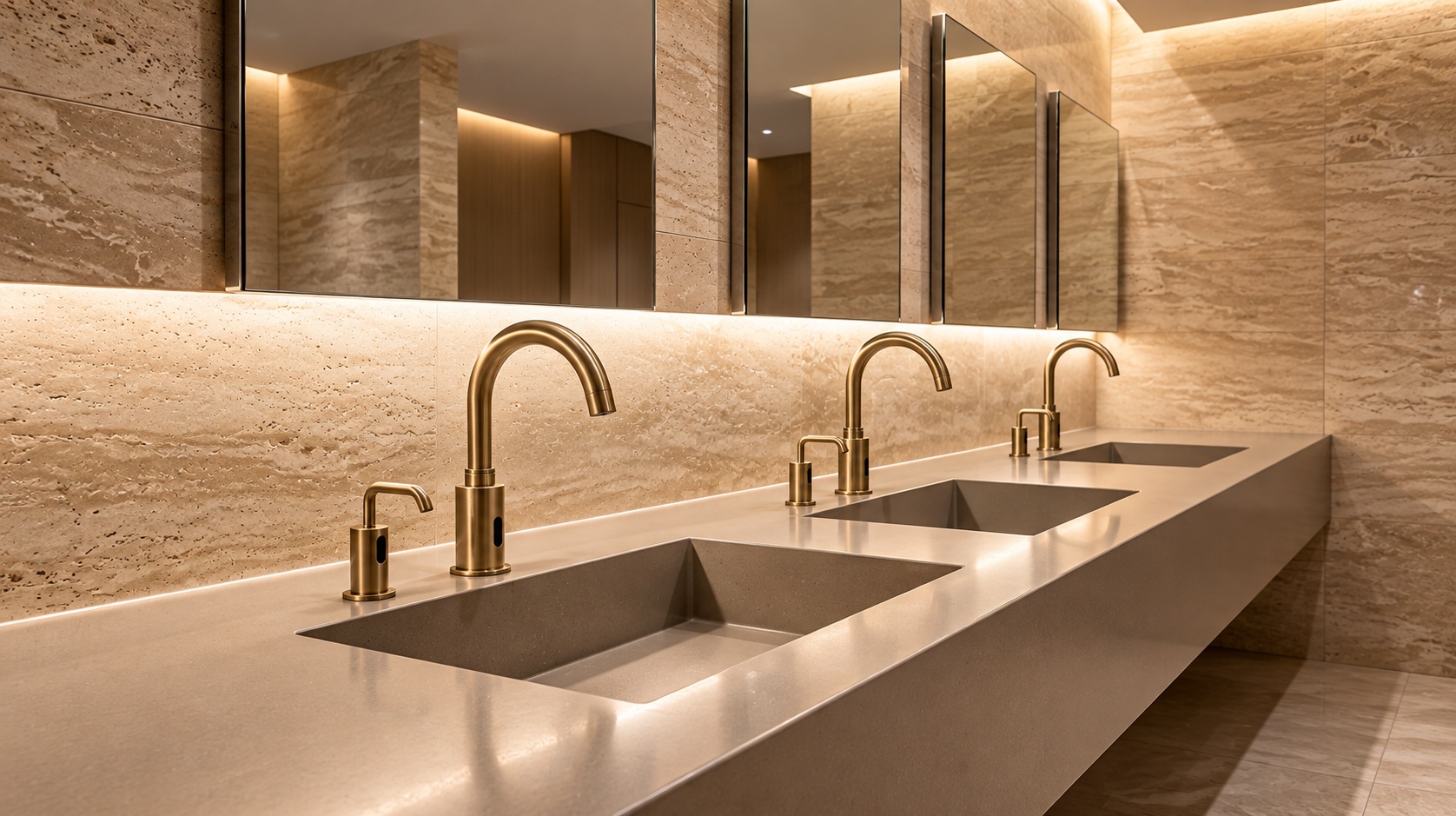
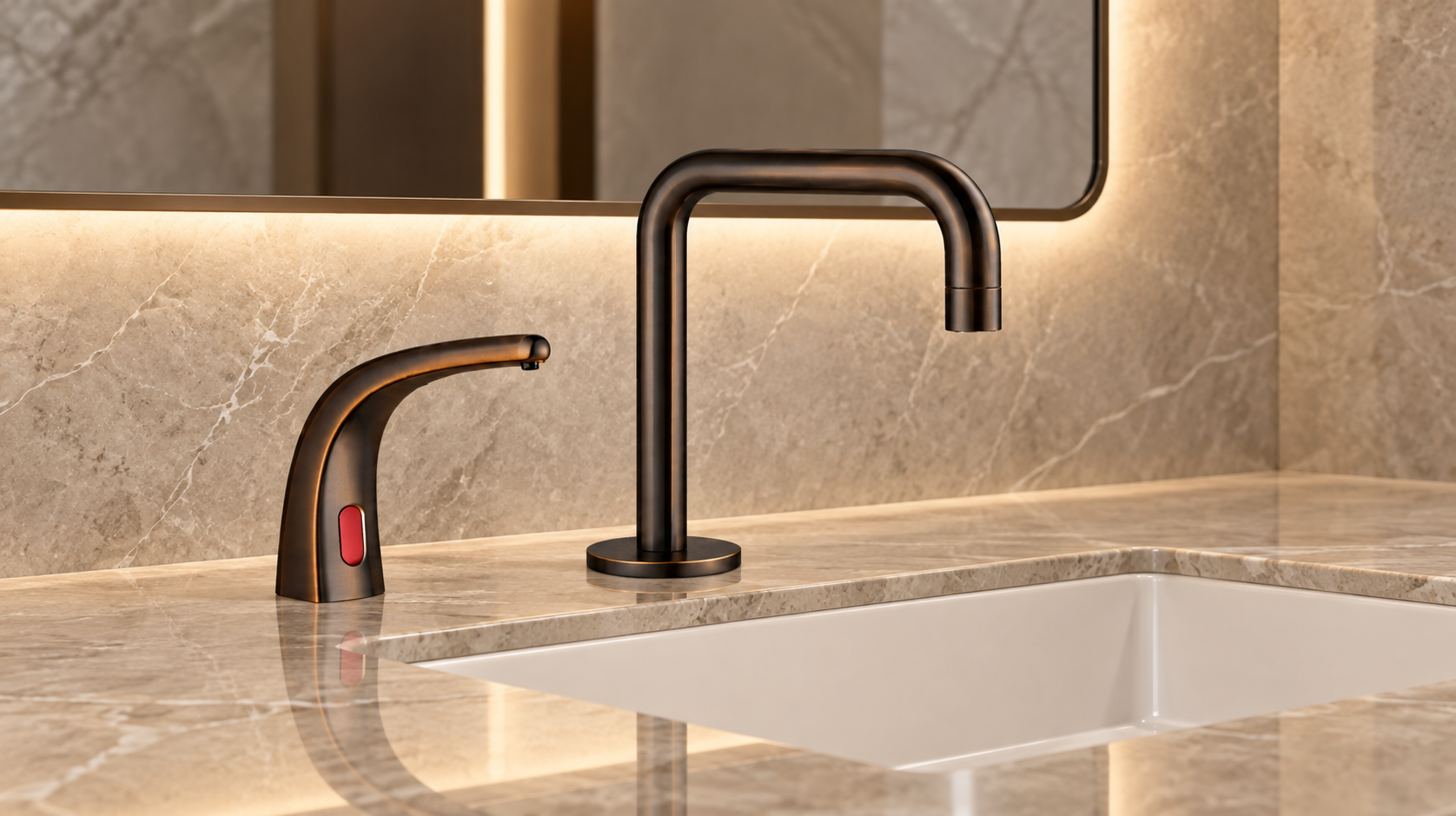

Advantages of Multifeed Soap Systems
- Fewer refills: a single high-capacity tank can serve 4–10+ dispensers, depending on the brand.
- Shorter maintenance routes: staff refill one port at the counter rather than visiting each dispenser.
- Lower cartridge waste: bulk soap reduces plastic waste from small, proprietary cartridges.
- Consistency across sinks: all dispensers on the line share the same soap formula and fill level.
Drawbacks of Multifeed Systems
- More complex installation: tubing, tank placement, and access points must be coordinated early with millwork and plumbing.
- Single point of failure: if the main tank runs dry or the pump/controller fails, multiple dispensers go down at once.
- Soap requirements: most systems demand specific viscosity ranges and non-foaming bulk soap types.
- Retrofit difficulty: easier to implement in new construction or major remodels than in small patch projects.
Fontana Multifeed Soap Dispenser System – How It Works & Where It Fits
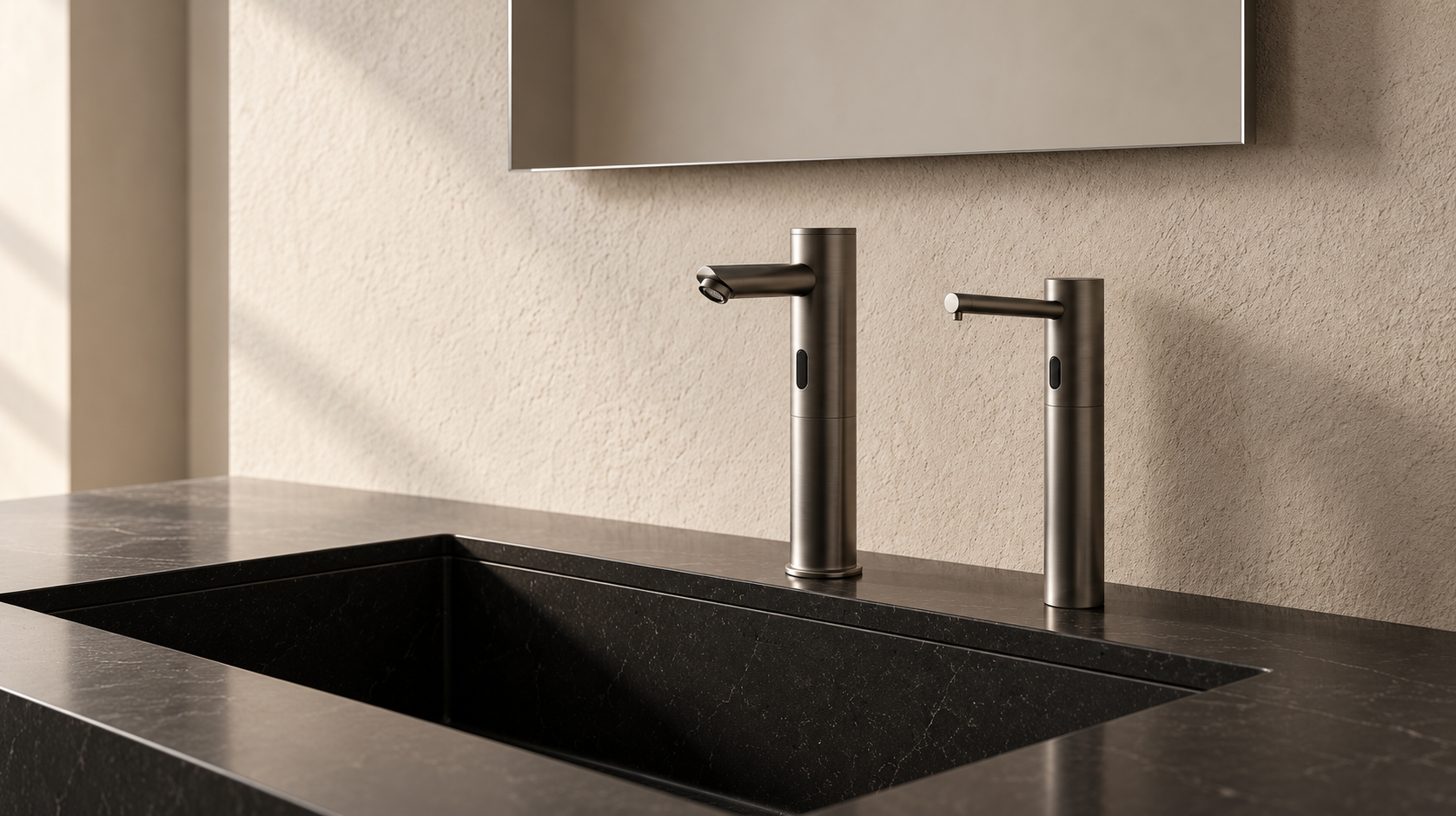
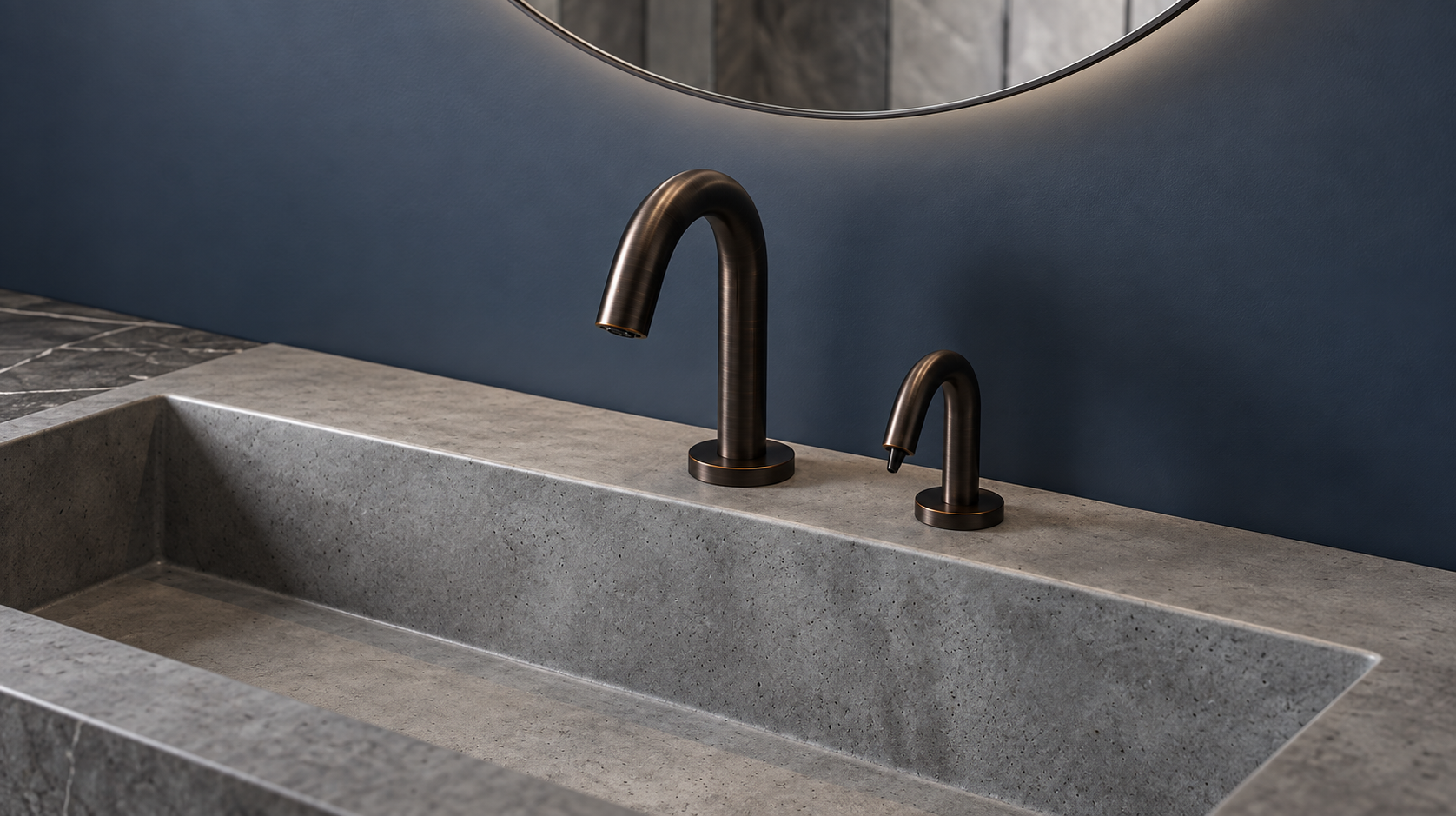
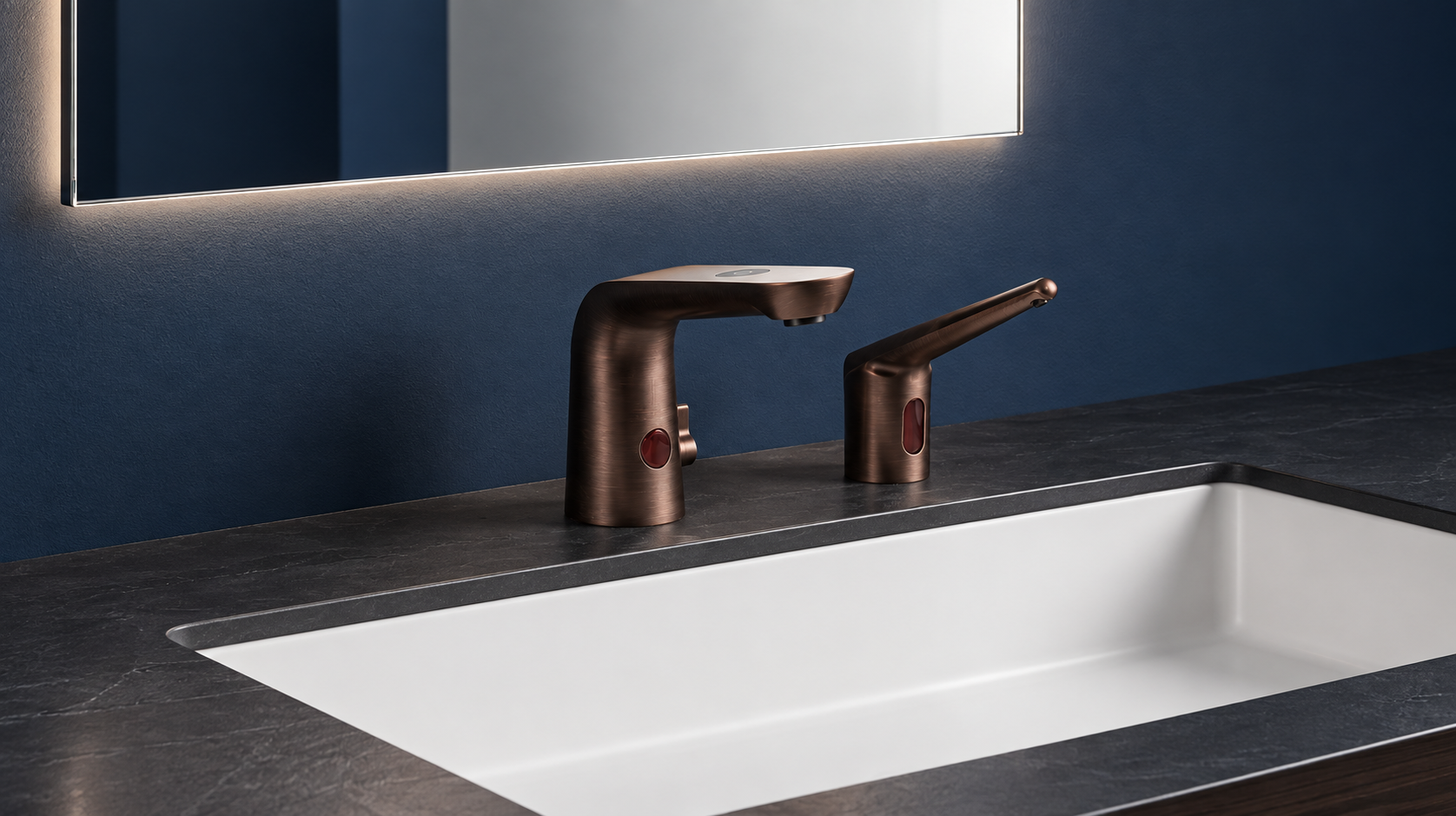
The Fontana Multifeed Soap Dispenser System is a commercial top-fill solution designed to supply multiple automatic soap dispensers from one high-capacity tank. Fontana positions it specifically for
airports office buildings malls hospitals schools and other large public facilities where soap demand and foot traffic are high.
Core Elements of the Fontana Multifeed System
- High-capacity central tank: a bulk soap reservoir that stores significantly more volume than individual cartridges, designed for commercial-grade usage.
- Top-fill access: staff refill from a counter-level port instead of crawling under sinks, cutting refill time and ergonomic strain.
- Distribution manifold & tubing: the tank feeds several Fontana automatic soap dispensers through dedicated lines, keeping supply consistent.
- Touchless dispensers: IR-activated spouts at each sink deliver controlled doses integrated with Fontana’s matching touchless faucets.
Advantages Unique to Fontana’s Multifeed Approach
- Designed for very high-traffic facilities: marketing and documentation specifically call out airports, large office buildings, malls, hospitals, and schools as target environments.
- Reduced refill frequency & labor: one tank refill can replace many individual cartridge changes, which directly lowers maintenance time and operational cost.
- Cleaner under-counter space: fewer small bottles and ad-hoc containers under sinks; instead, a planned tank and routing bundle.
- Integration with Fontana’s faucet designs: AEC teams can specify coordinated faucet + soap layouts in finishes like chrome, brushed gold, matte black, and architectural bronze.
Potential Limitations & Caveats
- Front-loaded design work: multifeed plumbing, tank space, and access points must be coordinated between plumbing, millwork, and electrical during design development.
- Single-system dependency: building staff need clear SOPs so the main tank is checked and refilled before it ever runs dry.
- Soap specification: Fontana’s guidance recommends compatible commercial liquid soap; very thick or particulate-heavy products should be avoided to prevent clogs.
When to specify Use the Fontana Multifeed system when you are designing long banks of lavatories with touchless faucets—such as in airport concourses, corporate campuses, universities, or high-end mixed-use projects—where maintenance staffing favors centralized refilling and consistent dosing over managing dozens of individual cartridges.
Pros & Cons of Going Automatic and Multifeed – At a Glance
| Dimension | Manual Dispensers | Individual Automatic Dispensers | Automatic Multifeed Systems |
|---|---|---|---|
| Hygiene | Contact required; acceptable in low-risk, low-traffic areas. | Touchless; strong improvement in perceived and actual hygiene. | Touchless at all sinks, with consistent dosing and fewer “out of soap” situations. |
| Upfront cost | Lowest hardware cost. | Higher cost per dispenser; simple to add one at a time. | Highest initial cost due to tank, tubing, and integration work. |
| Operational effort | Frequent refills at each unit; more frequent touch-points. | Still requires checking each individual reservoir or cartridge. | Refills concentrated at a few top-fill points; fewer total checks. |
| Scalability | Becomes labor-intensive as sink counts grow. | Works but becomes noisy to manage across large campuses. | Optimized for banks of sinks and high-traffic buildings. |
| Design & aesthetics | Broad but often basic designs. | Modern look; many finish and form options. | Fully coordinated faucet + soap lines; under-counter hardware stays hidden. |
Practical Spec Checklist for AEC Teams
- Define building zones: airports, corporate HQs, universities, and large office towers often justify multifeed systems at main banks, with simpler automatic units in smaller restrooms.
- Choose a refill strategy: sealed cartridges vs. bulk liquid vs. multifeed tanks—coordinate with janitorial staffing and supply-chain preferences.
- Coordinate with faucets & sinks: align dispenser reach with faucet spouts; ensure sensor ranges don’t overlap or cause misfires.
- Lock in power and access early: integrate top-fill ports, tank locations, and any controller access doors into millwork and reflected ceiling/electrical plans.
- Standardize per project: choose one or two platforms (e.g., Fontana Multifeed + a secondary cartridge system) rather than a unique model in every restroom.
- Document clearly: embed manufacturer links, Revit families, and Multifeed diagrams in your BIM model and CSI specs so contractors and facility staff can trace the system from design through operations.
- Use Fontana Multifeed or similar multifeed platforms on long, high-traffic lavatory runs where centralized refilling will save significant labor.
- Use individual automatic dispensers in smaller or specialty restrooms where multifeed is not justified.
- Reserve manual units only for low-traffic back-of-house spaces where budget is critical and hygiene expectations are lower.
Automatic Soap Dispenser Planning & Maintenance Guides
These related SoapDispensing resources provide additional detail for architects, engineers, facility managers, contractors, and specification teams working with automatic commercial dispensers.
Automatic Soap Dispenser FAQ
Common specification, maintenance, and facility-planning questions associated with automatic soap dispensers in commercial restrooms.
What are the main advantages of automatic soap dispensers?
Automatic soap dispensers reduce the need to touch a shared dispenser control, provide repeatable dosing, and can simplify handwashing in busy commercial restrooms. Their strongest applications are generally high-use facilities where hygiene, consistency, and maintenance planning are important.
What are the disadvantages of automatic soap dispensers?
Automatic units normally cost more than basic manual dispensers and depend on batteries or another power source. Sensor placement, soap viscosity, pump condition, and service access also need to be considered because problems in any of these areas can cause missed activations, false dispensing, clogs, or additional maintenance.
Are automatic soap dispensers better for high-traffic restrooms?
They are particularly useful in airports, universities, offices, healthcare facilities, hospitality projects, and other busy buildings because controlled dosing and touchless operation can be standardized across many wash stations. The correct refill strategy and maintenance plan should still be matched to the expected traffic level.
What causes an automatic soap dispenser to stop working?
Typical checks include the soap level, power or battery condition, sensor-window cleanliness, pump priming, tubing condition, and soap compatibility. Reflective surfaces or an incorrectly positioned sensor can also contribute to activation problems.
What is a multifeed soap dispenser system?
A multifeed system supplies multiple dispenser outlets from a centralized soap reservoir. Instead of maintaining a separate cartridge or small tank at every sink, the facility can service a larger shared reservoir and associated distribution lines.
When should a multifeed soap dispenser system be specified?
Multifeed systems are most relevant to long banks of lavatories and other high-use layouts where centralized refilling can reduce the number of individual reservoirs facility staff must inspect and refill. Tank location, tubing routes, power, millwork, and service access should be coordinated during design.
Does soap viscosity affect automatic soap dispenser performance?
Yes. Automatic pump systems are designed around specific soap characteristics. Soap outside the dispenser manufacturer’s compatible range can contribute to weak dosing, clogs, pump problems, or unreliable operation. The selected soap should therefore be coordinated with the dispenser specification.
What should architects specify for an automatic soap dispenser?
A commercial specification should address mounting type, dispenser and finish, sensing method, power source, soap or reservoir strategy, refill access, required under-counter space, maintenance access, and coordination with the faucet, basin, countertop, millwork, and electrical work.
Automatic Soap Dispenser Decision Center
Pros, Cons & Planning Resources for Commercial Automatic Soap Dispensers
Automatic soap dispensers can improve hygiene, reduce touch points, control soap usage, and support modern restroom design. They also require proper power planning, sensor placement, refill access, and maintenance review before specification in commercial restrooms.
Automatic Soap Dispenser Collections
Compare Touchless Restroom Systems
Installation & Maintenance Help
Related Buying Guides
Pros & Cons Planning
Featured Automatic Soap Dispenser Examples
Wall Mount Automatic Soap Dispenser
A practical commercial option when projects require touch-free dispensing, clean wall-mounted placement, and easier countertop maintenance.
Matte Black Commercial Dispenser
A finish-focused dispenser example for modern hotels, offices, restaurants, and upscale public restroom interiors.
3-In-1 Touchless Washroom System
Useful for comparing the benefits and trade-offs of integrated faucet, soap, and hand-drying systems in commercial restroom planning.