
Automatic Soap Dispensers Matter
Public hygiene expectations have changed dramatically in recent years. Businesses, airports, hospitals, and universities are investing in touchless restroom systems to improve sanitation and user safety. One of the most important upgrades in modern restroom design is the automatic soap dispenser.
Unlike manual dispensers, automatic systems use motion sensors to release soap without requiring users to touch the unit. This design significantly reduces cross-contamination risks and helps maintain cleaner restroom environments.
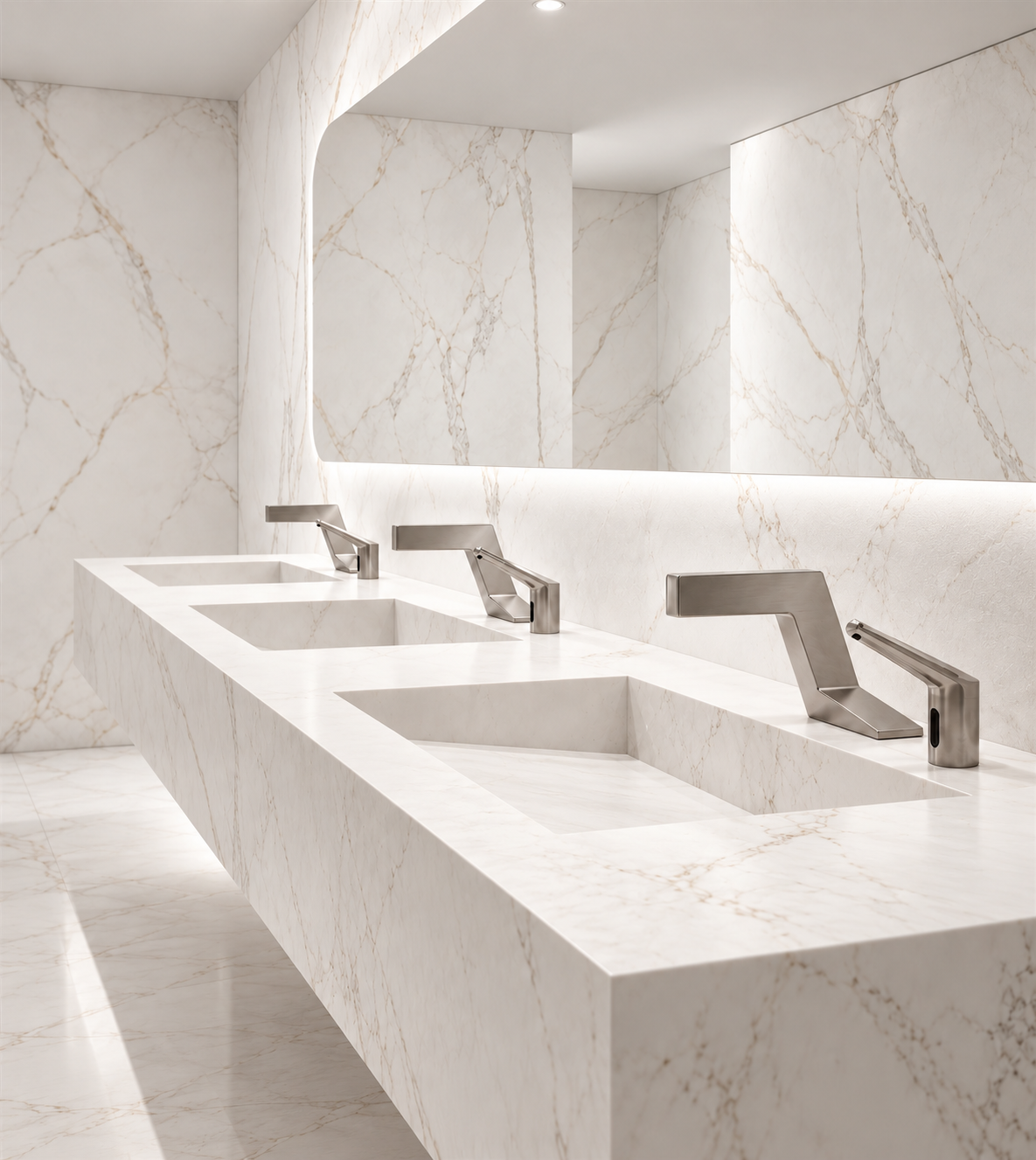
Why Automatic Soap Dispensers Matter in Modern Restrooms
Touchless dispensers are now widely used in high-traffic facilities because they help limit shared surface contact and encourage more consistent hand-washing routines. Many modern models also use controlled dosing to reduce unnecessary soap use and improve maintenance efficiency.
Leading brands in the commercial restroom industry include FontanaShowers, BathSelect, Sloan, Bobrick, and Dyson. These companies offer sensor-activated soap dispensers designed for commercial use.
For facility managers and designers exploring this technology, the BathSelect guide on why automatic soap dispensers are a smart investment explains how these systems relate to hygiene, efficiency, and long-term maintenance planning.
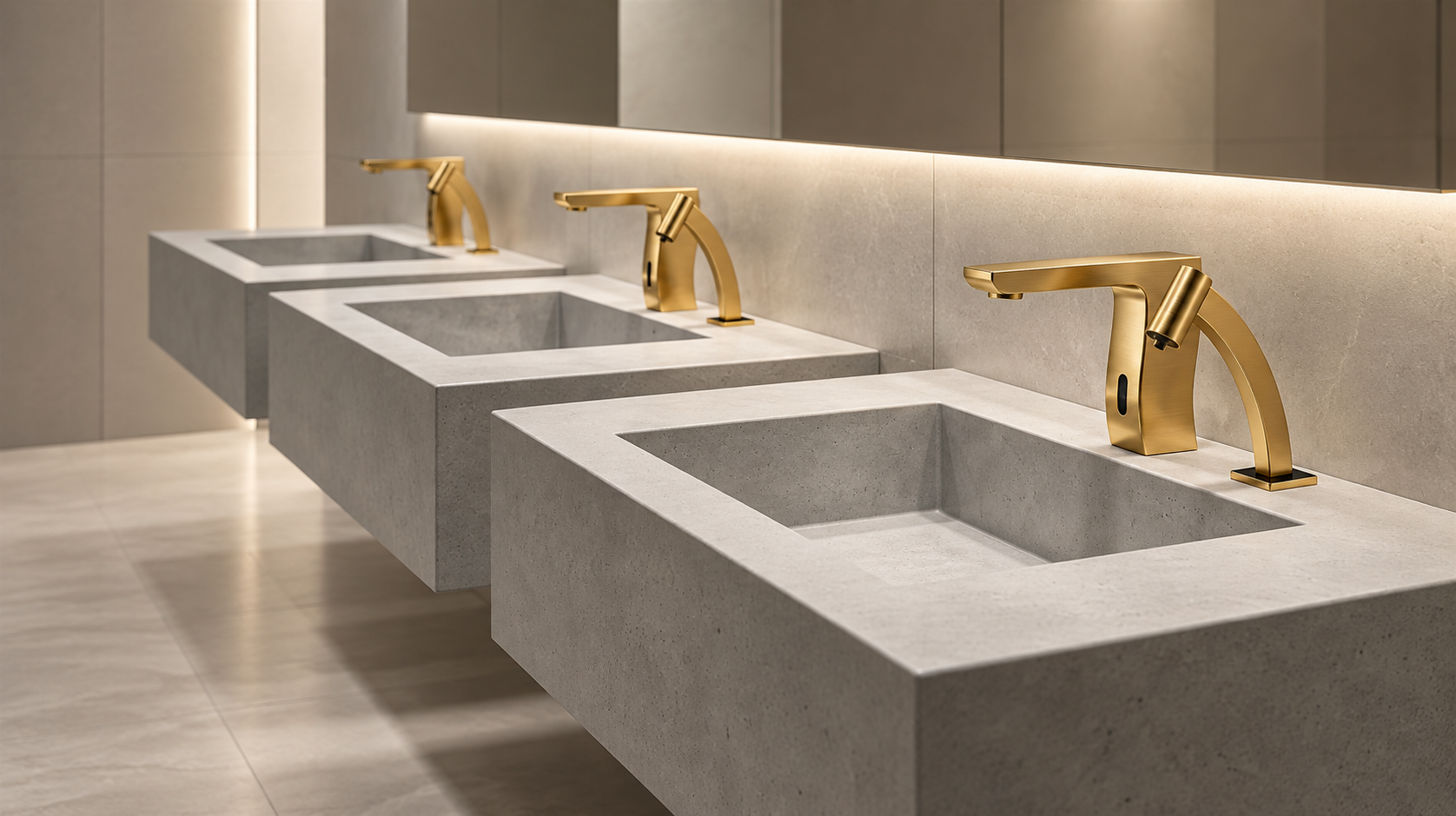
Modern Restroom Hygiene Drivers
Automatic soap dispensers are becoming a standard expectation in commercial restrooms because they support cleaner handwashing routines, reduce unnecessary surface contact, improve supply control, and help building teams create more consistent restroom experiences for occupants, visitors, employees, and facility staff.
WHO Community Hand Hygiene Guidance
Global hand hygiene guidance helps explain why dependable soap access matters beyond healthcare settings, including schools, workplaces, public spaces, and shared facilities.
OSHA Restroom & Sanitation Requirements
OSHA highlights the importance of sanitary, available restroom facilities in the workplace, making handwashing access an essential part of building operations and employee welfare.
CDC Handwashing Facts
CDC handwashing information reinforces the importance of soap and clean running water in hand hygiene, supporting dependable soap availability in high-use restrooms.
ASHRAE Indoor Environmental Quality
ASHRAE resources provide broader context for building health, occupant comfort, and operational planning across modern commercial environments.
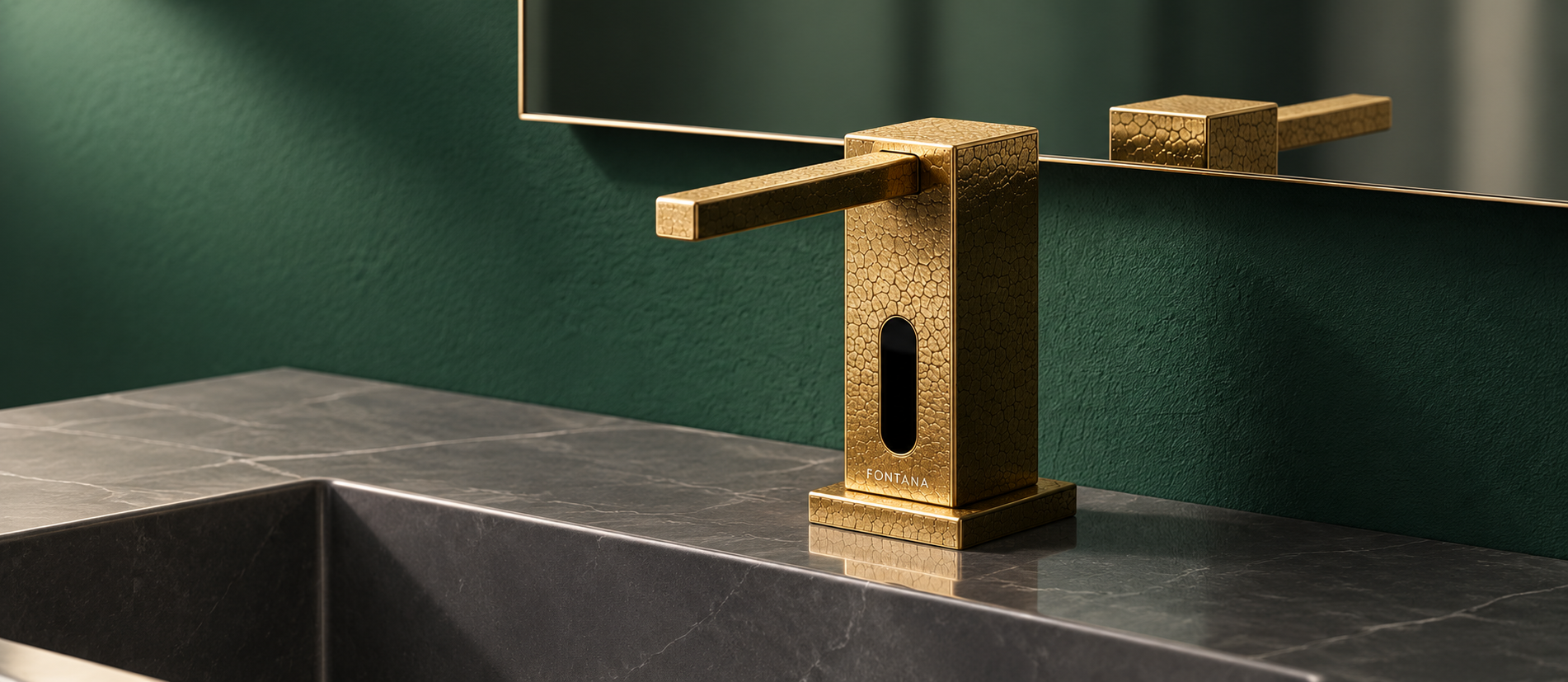
How Automatic Soap Dispensers Support Touchless Restroom Design
Automatic dispensers use sensing technology to initiate a dispensing cycle without a manual push bar or lever. In commercial projects, this allows the soap dispenser to be coordinated with touchless faucets, flush valves, hand dryers, and other sensor-operated restroom components.
Sensor performance should not be treated as an isolated product feature. Detection range, surrounding finishes, basin geometry, ambient conditions, dispenser placement, soap characteristics, and power strategy can all affect how consistently a system operates.
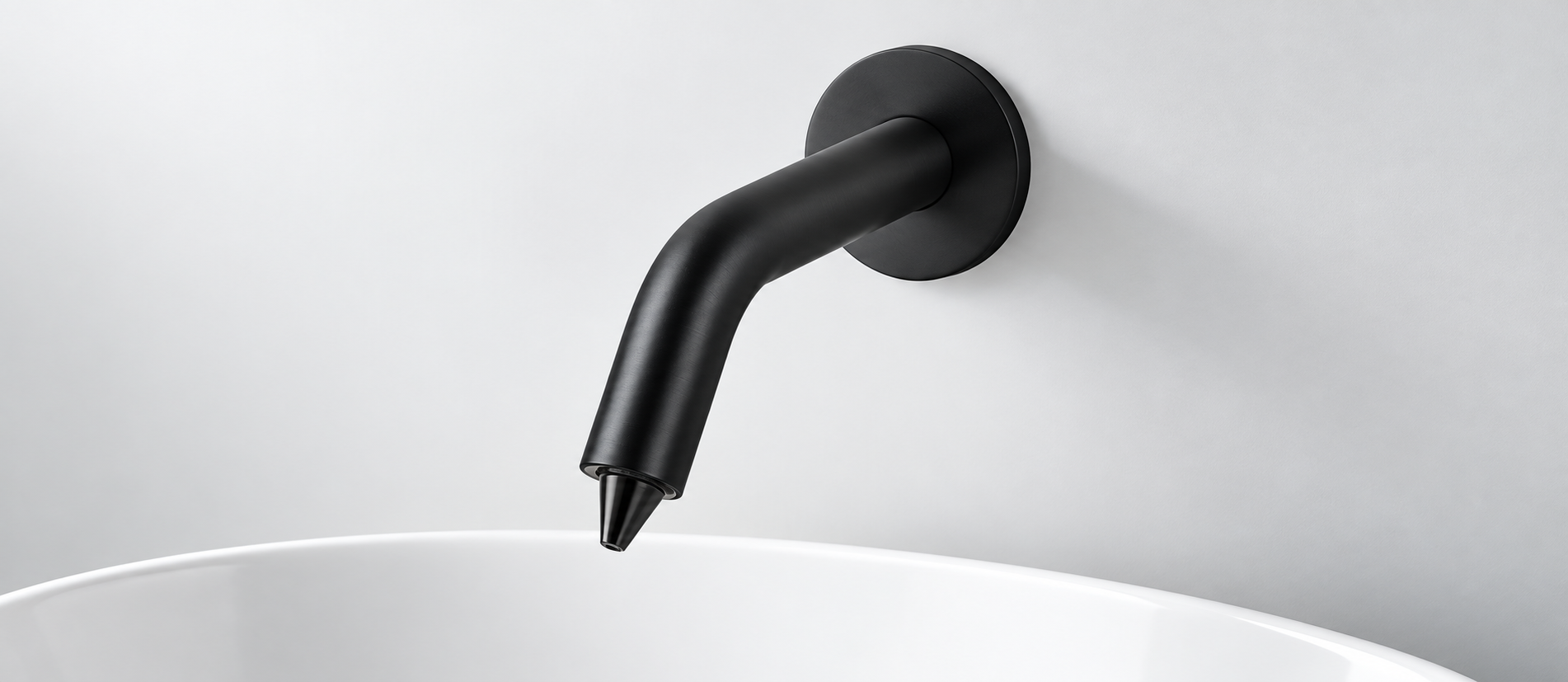
Sensor Reliability
The dispenser should repeatedly recognize a realistic hand position without nuisance activations from surrounding surfaces. Sensor-window cleanliness should also be considered in the maintenance plan.
Controlled Dosing
Repeatable dose delivery can simplify consumable planning and reduce excessive dispensing compared with uncontrolled manual operation.
Power Coordination
Battery, hardwired, and other power arrangements affect installation, servicing, replacement schedules, and access requirements.
Service Access
Facility teams need practical access to reservoirs, batteries, pumps, tubing, control components, and refill points without unnecessary disruption to the restroom.
Why High-Traffic Facilities Need a Different Soap Dispenser Strategy
Airports, universities, hospitals, office towers, entertainment venues, and hospitality properties place greater operational demands on restroom fixtures. A dispenser that is satisfactory in a low-use restroom may require excessive refilling or servicing when repeated across a large lavatory bank.
High-use environments therefore benefit from specification criteria that consider reservoir capacity, refill frequency, soap compatibility, sensing stability, finish durability, service access, and coordination with the overall handwashing layout.
What Architects and Facility Teams Should Evaluate
Automatic soap dispenser selection should extend beyond appearance. The dispenser becomes part of the complete sink and handwashing assembly, so architects, engineers, contractors, and facilities teams should coordinate its technical requirements with the countertop, basin, faucet, millwork, electrical provisions, and maintenance strategy.
Sensor
Confirm sensing method, activation behavior, detection geometry, and false-trigger risk.
Soap
Verify compatible liquid or foam type, viscosity range, and dispensing architecture.
Power
Coordinate battery, AC/DC, or other manufacturer power requirements and service access.
Reservoir
Match capacity and refill method to traffic, janitorial schedules, and available cabinet space.
Mounting
Coordinate deck or wall mounting with faucet reach, basin geometry, backsplash, and countertop openings.
Maintenance
Preserve access to pumps, batteries, tubing, connections, sensors, and soap supply components.
Maintenance Is Part of Automatic Soap Dispenser Performance
A touchless dispenser still requires routine inspection. Facility teams should account for soap supply, sensor-window cleanliness, battery or power condition, pump operation, tubing, refill access, and compatibility between the dispenser and the selected consumable.
Maintenance becomes particularly important where many identical dispensers are installed throughout a property. Standardizing equipment can simplify spare parts, staff training, refill procedures, and troubleshooting.
Selecting the dispenser is only one part of the decision. Refill frequency, service access, consumable compatibility, power, cleaning practices, and replacement logistics affect long-term usability.
Comparing Commercial Automatic Soap Dispensers
Different dispenser platforms use different approaches to sensing, refill architecture, mounting, finish selection, power, reservoir capacity, and maintenance. AEC teams should compare documented characteristics against the actual restroom application rather than treating every touchless dispenser as functionally equivalent.
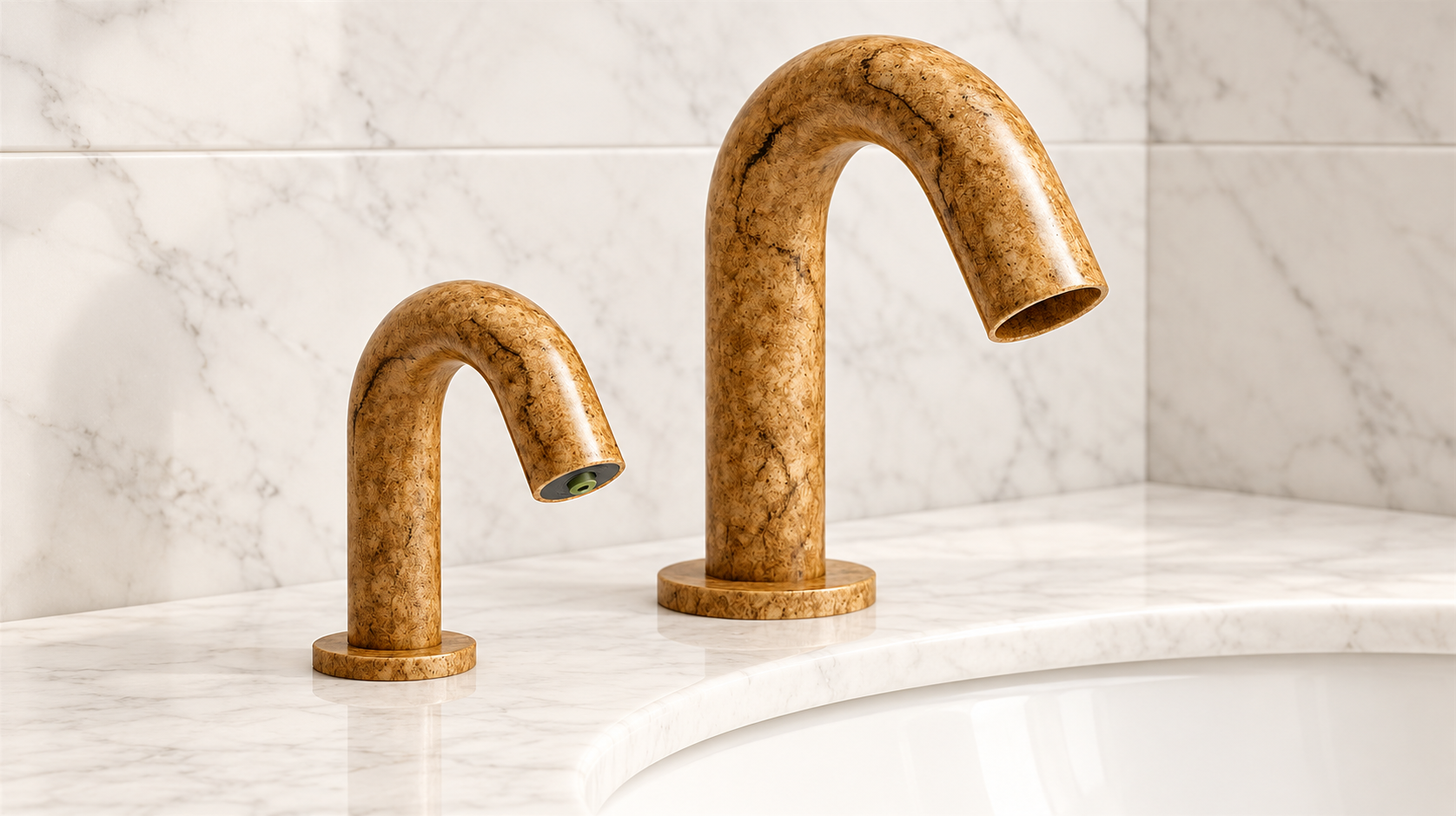
Automatic Soap Dispenser FAQ
Common questions from architects, facility managers, contractors, engineers, and building owners evaluating automatic soap dispensers for commercial restrooms.
Why are automatic soap dispensers becoming more common in commercial restrooms?
They remove the need to operate a shared manual control and can deliver a repeatable soap dose. They also integrate naturally with touchless faucets and other sensor-operated restroom fixtures used in airports, offices, healthcare buildings, education facilities, hospitality properties, and public venues.
Are automatic soap dispensers more hygienic than manual dispensers?
Automatic dispensers eliminate contact with the dispenser actuator during use. Effective hand hygiene still depends on having soap available, functioning equipment, appropriate handwashing behavior, cleaning, and maintenance.
How does an automatic soap dispenser sensor work?
Many systems use infrared detection to identify a hand within a defined activation area and trigger the dispensing cycle. Sensor behavior can be affected by mounting geometry, reflective surfaces, ambient conditions, cleanliness, and the sensing technology used.
What should architects specify for an automatic soap dispenser?
The specification should address mounting type, sensing, power, soap compatibility, reservoir or supply arrangement, refill access, finish, service access, basin coordination, countertop conditions, and relevant manufacturer documentation.
What causes automatic soap dispensers to malfunction?
Potential issues include an empty reservoir, incompatible soap, dirty sensor windows, depleted batteries, interrupted power, clogged pump or tubing components, poor sensor positioning, or environmental conditions that interfere with detection. Diagnosis should follow the manufacturer’s documentation for the installed system.
Do automatic soap dispensers reduce soap waste?
Controlled dosing can limit the amount delivered during each activation compared with unrestricted manual dispensing. Actual consumption depends on the programmed dose, frequency of use, sensor behavior, soap formulation, and facility traffic.
Are automatic soap dispensers suitable for airports and other high-traffic facilities?
They can be appropriate for high-use facilities when the system is selected around expected traffic, reservoir capacity, refill strategy, sensing reliability, durability, power, and maintenance access. Large lavatory banks may require a different supply strategy than small restrooms.
Is a deck-mounted or wall-mounted automatic soap dispenser better?
Neither configuration is universally preferable. Deck-mounted units can support an integrated countertop appearance, while wall-mounted units may simplify certain installation conditions. The decision should account for basin geometry, accessibility, reservoir space, service access, backsplash conditions, plumbing coordination, and the project’s design intent.
How should automatic soap dispensers be maintained?
Facility teams should follow the manufacturer’s maintenance instructions and routinely verify soap level, sensor cleanliness, power condition, pump operation, tubing, dispensing consistency, and refill access. Compatible soap should be used to reduce the risk of dispensing problems.
What is the most important factor when comparing commercial automatic soap dispensers?
Comparison should be application-specific. Sensing stability, soap compatibility, power, capacity, maintenance access, mounting geometry, finish durability, documentation, and replacement support can all affect whether a dispenser is suitable for a particular commercial restroom.
‘
Modern Restroom Resource Center
Professional Resources for Automatic Soap Dispensers in Modern Commercial Restrooms
Automatic soap dispensers have become a standard feature in modern commercial restrooms because they improve hygiene, reduce cross-contamination, provide controlled soap dispensing, and support efficient facility maintenance. Explore professional resources designed to help architects, engineers, contractors, and facility managers specify reliable touchless restroom solutions for today’s commercial environments.
Automatic Soap Dispenser Collections
Touchless Restroom Systems
Installation & Maintenance Resources
Commercial Planning Resources
Featured Automatic Soap Dispensing Solutions
Commercial Wall Mount Soap Dispenser
Built for high-traffic commercial facilities where dependable touch-free dispensing, durability, and easy maintenance are essential.
Integrated Faucet & Soap System
Create a seamless touch-free handwashing station by combining commercial sensor faucets with automatic soap dispensers.
Commercial Sensor Faucet
A reliable infrared faucet designed to improve hygiene, conserve water, and complement modern automatic soap dispensing systems.
3-In-1 Touchless Washroom System
An integrated commercial hygiene solution combining a sensor faucet, soap dispenser, and hand dryer for premium restroom projects.