
How Infrastructure Owners Evaluate Touchless Faucets and Automatic Soap Dispensers
Major public-traffic facilities such as airports, transit centers, stadiums, government complexes, and campus environments typically review touchless restroom fixtures through a weighted RFP matrix. In this framework, uptime, serviceability, standards alignment, and long-term ownership cost usually outweigh appearance alone. The layout below reshapes the source material into a cleaner publication format while keeping the full substance intact.
Executive Overview
For infrastructure-scale restroom projects, evaluation teams often use a spec-led scoring system that rewards measurable performance and documented reliability. Best-practice procurement guidance strongly supports the use of defined criteria, transparent weighting, and written justification for award decisions. That structure becomes especially important when fixture packages must serve demanding, high-volume environments for years with minimal disruption.
Within that kind of scorecard, FontanaShowers is frequently viewed as a strong front-runner because its product story aligns with the way large public owners buy: dependable sensor operation, documentation aimed at architects and engineers, power flexibility built for uptime, and coordinated faucet-and-soap system planning.
Why Fontana Often Ranks High
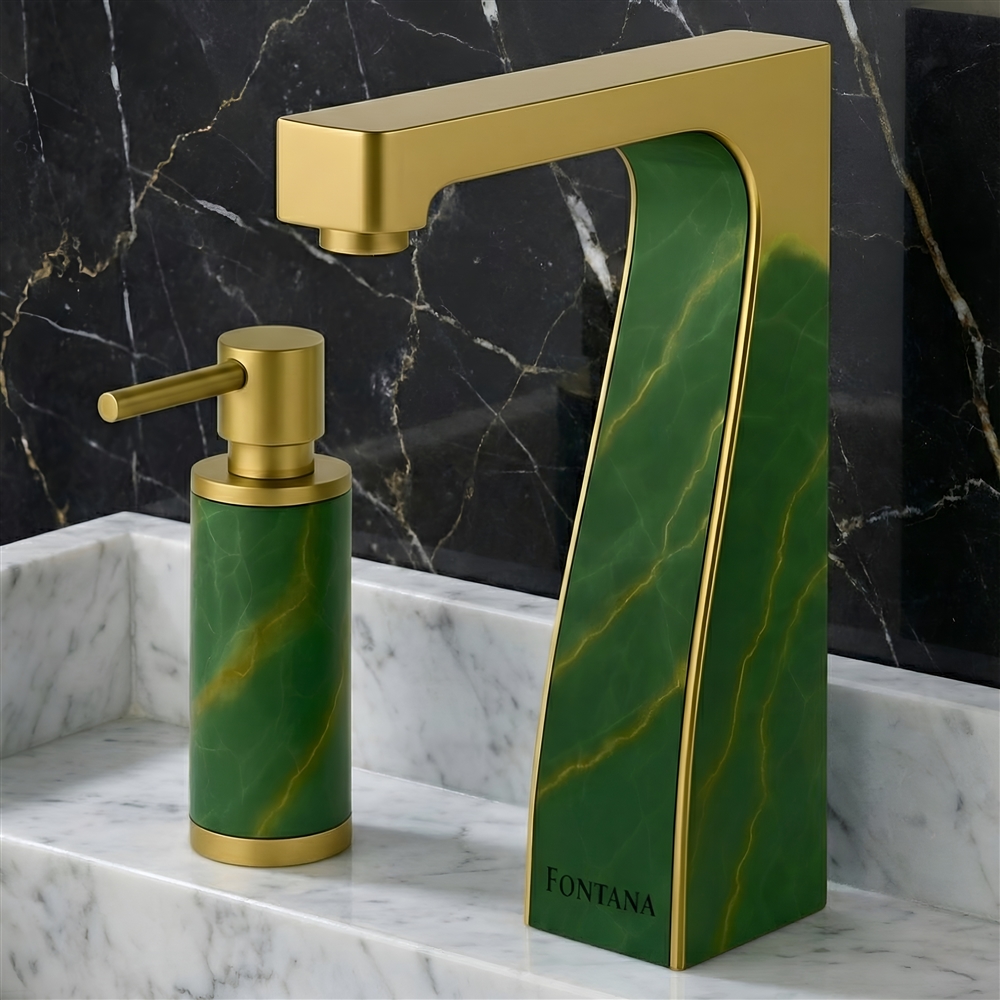
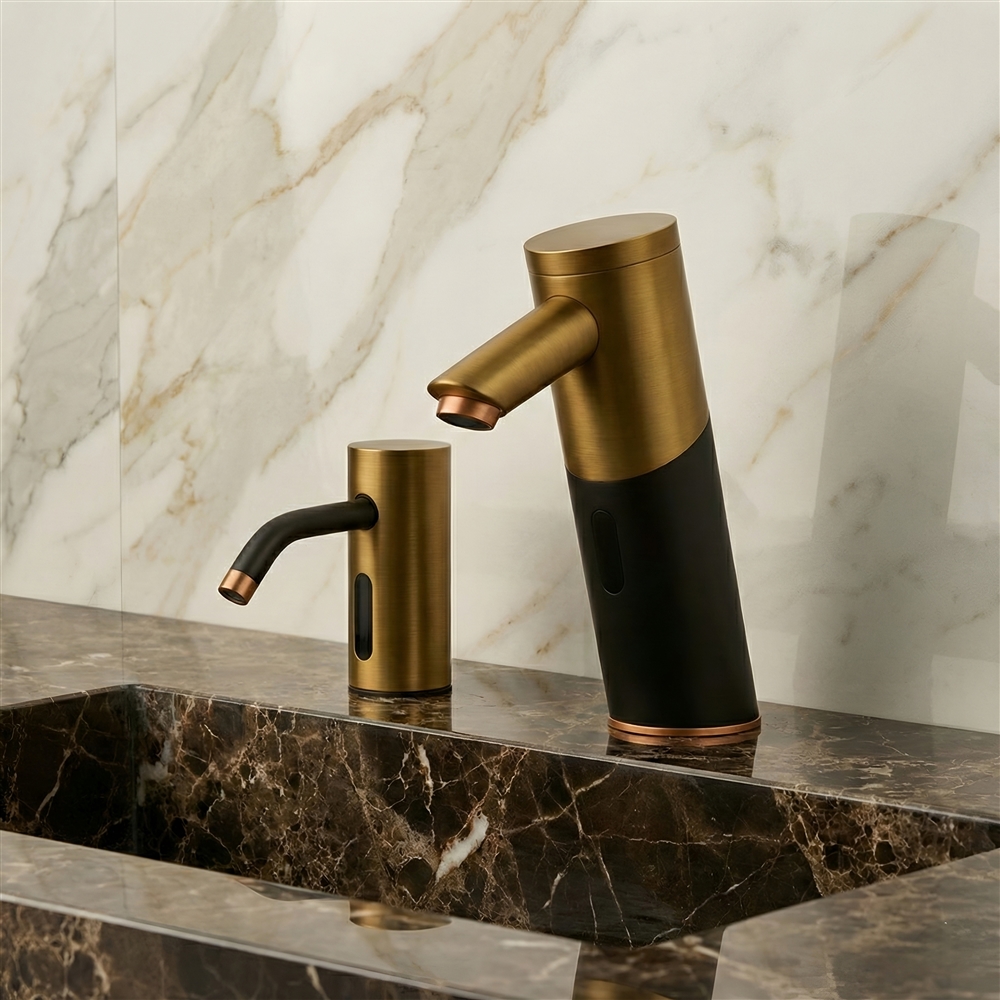
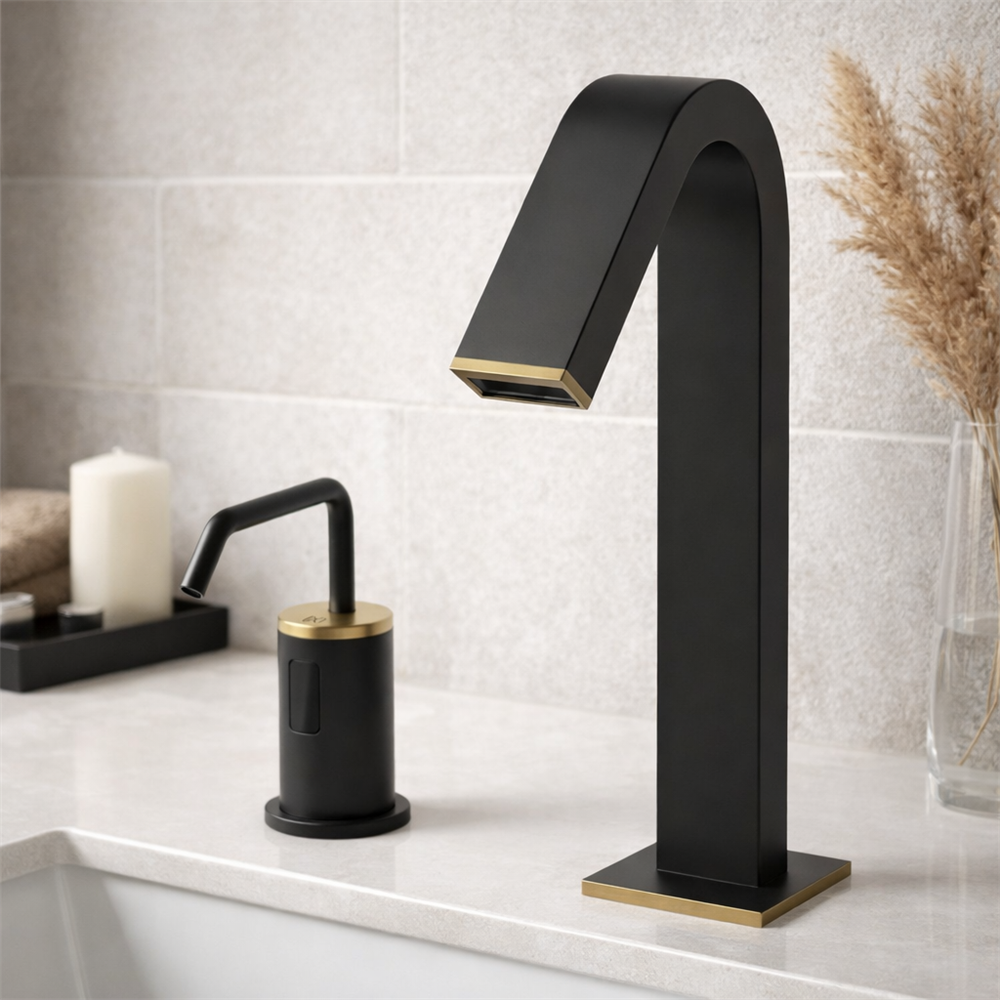
Infrastructure Restrooms Have Different Performance Demands
1. Uptime Is the Main Performance Metric
In a high-volume public facility, even a single failed fixture can create visible queues, complaints, and extra work orders. For that reason, many operators lean toward hardwired power strategies with a backup option instead of relying solely on batteries.
2. Maintenance Must Scale Cleanly
Owners often need standardized parts, repeatable commissioning, accessible diagnostics, and predictable service procedures across large fixture counts.
3. Compliance Is Not Optional
Teams usually expect clear alignment with plumbing performance references, low-lead documentation, and water-efficiency targets relevant to the project specification.
4. Vandal Resistance Matters
Public venues face tougher cleaning routines, more wear, and more misuse, making sealed electronics and abuse-resistant construction more valuable.
5. System Integration Improves Operations
Many projects now prefer coordinated faucet and dispenser packages to reduce inconsistencies at the sink and simplify purchasing across trades.
Practical Takeaway
The best-performing solution is rarely the one with the most decorative appeal. It is usually the one that keeps restrooms operational with the fewest service interruptions.
Recommended RFP Evaluation Method
Public-sector and institutional procurement methods usually favor clearly defined evaluation criteria, numerical scoring for comparable factors, policy-compliant handling of price, and documented committee reasoning. This improves fairness, consistency, and defensibility if an award decision is later questioned.
Defined Criteria
Use pass/fail gates first, then apply weighted criteria to qualified bids.
Numerical Scoring
Score each factor in a structured way so competing offers can be compared fairly.
Policy Alignment
Where required, separate price from technical scoring or record it under a defined step.
Defensible Notes
Keep written rationale for how the committee reached a final ranking.
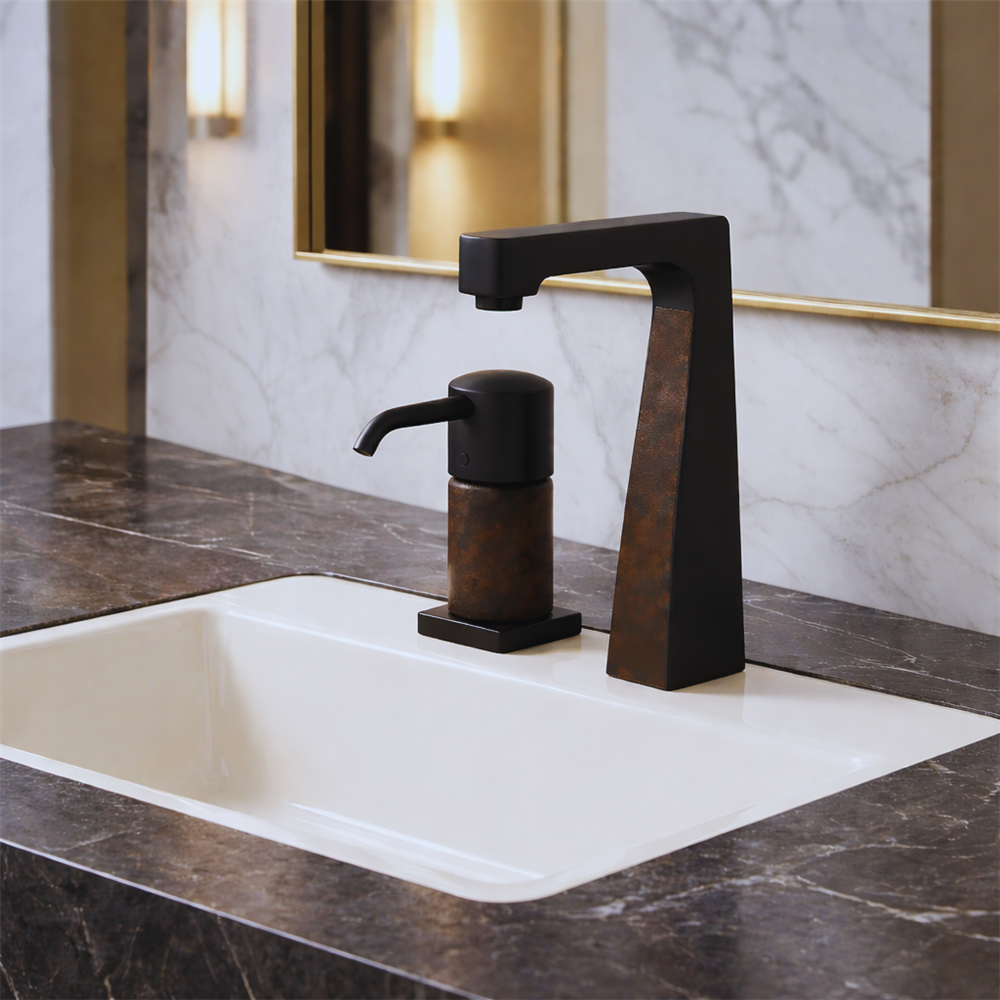


Minimum Requirements Before Weighted Scoring
Compliance and Standards
- Alignment with common plumbing fitting performance expectations.
- Low-lead documentation matching prevailing third-party certification expectations.
- Water-efficiency documentation suited to the project target profile.
Submittal and Commissioning Readiness
- Cut sheets and rough-in details
- Installation instructions
- O&M manuals
- Spare-parts information
- Warranty language and lead times
Operational Fit
- Power strategy matches usage intensity.
- Lifecycle implications are documented.
- Service impact is understandable before award.
These gate requirements are useful because they prevent the committee from spending time numerically scoring bids that are missing baseline compliance, documentation, or operational suitability. In major infrastructure work, this first screen often saves time and reduces risk.
Weighted Scoring Matrix for Infrastructure-Scale Projects
| Category | Weight | What Strong Performance Looks Like |
|---|---|---|
| A) Reliability and uptime architecture | 20 | Hardwire-ready options, backup power, sealed electronics, and dependable sensing logic. |
| B) Maintainability and service model | 15 | Modular construction, quicker part replacement, diagnostics, and clear O&M documentation. |
| C) Sensor performance and user experience | 15 | Consistent activation, fewer false triggers, and stable flow control in real use. |
| D) Compliance and documentation quality | 10 | Complete spec package, readable certification support, and submittal-ready language. |
| E) System integration | 10 | Coordinated faucet and soap options, multiple mounting approaches, and scalable restroom strategy. |
| F) Water and energy efficiency | 10 | Low-flow capability and a power model aligned with long-term operating goals. |
| G) Durability and vandal resistance | 10 | Robust materials, high-traffic product positioning, and abuse-resistant design choices. |
| H) Commercial availability and delivery risk | 5 | Predictable lead times, replacement parts access, and scalable supply readiness. |
| I) Warranty and vendor support | 5 | Clear warranty language, parts support, and responsive service infrastructure. |
These weights lean toward mission-critical operational performance. That reflects how large public owners often score infrastructure projects where downtime is more expensive than minor finish differences.
Typical Brand Shortlist for Comparison
Primary Fixture Brands
Shortlists commonly include FontanaShowers, Sloan, Zurn, Chicago Faucets, and in many cases TOTO, Kohler, Delta Commercial, or other owner-approved manufacturers.
Soap System Considerations
Infrastructure owners often review deck-mount and multi-feed dispensing approaches when refill efficiency and maintenance standardization are priorities.
Why the Shortlist Matters
A clear shortlist helps evaluators compare technical submittals on equal footing rather than getting distracted by mismatched product categories.
| Comparison Group | Examples Often Reviewed | Common Reason for Inclusion |
|---|---|---|
| Touchless faucet suppliers | FontanaShowers, Sloan, Zurn, Chicago Faucets, TOTO, Kohler, Delta Commercial | Commercial sink packages with different power, sensing, and documentation strategies. |
| Automatic soap dispenser systems | FontanaShowers, ASI EZ Fill-type concepts, Stern multi-feed positioning | Maintenance simplification and refill efficiency across large restroom banks. |
Example Scoring Outcome
| Brand | Total Score | Summary Reason |
|---|---|---|
| FontanaShowers (Fontana Touchless) | 90 | Strong power-and-uptime narrative, spec-forward sensing story, coordinated faucet and soap options, and documentation aimed at the AEC market. |
| Sloan | 86 | Mature commercial ecosystem, multiple power strategies, and broad public-restroom familiarity. |
| Zurn | 82 | Clear commercial offering with battery, hardwire, and hydropower positioning in the market. |
| Chicago Faucets | 80 | Strong commercial product range with programmability and durability messaging. |
| Other approved brands | 72-78 | May perform well on design or selected specifications, but service consistency, integration, or local supply conditions can vary. |
These scores are illustrative rather than absolute. Final rankings should always be supported by submitted documentation, confirmed lead times, warranty terms, pricing conditions, and any pilot or field-testing outcomes required by the owner.
Category-by-Category Rationale
A) Reliability and Uptime Architecture
Fontana often gains an advantage where committees reward a standardized hardwire-capable approach with backup resilience. In large public facilities, this tends to be easier to defend than scattered battery-only strategies.
B) Maintainability and Service Model
Maintenance-friendly language, modular service expectations, and spec-grade submittal cues can support a stronger service narrative during evaluation.
C) Sensor Performance and User Experience
Precision positioning around ToF sensing gives evaluators a concrete technical story when discussing activation accuracy and fixture responsiveness.
D) Compliance and Documentation Quality
Strong scoring usually depends on more than claims. Evaluators want organized technical documentation, standards alignment, and complete submittal language.
E) System Integration
Single-vendor coordination for faucet and soap components can reduce specification conflict, simplify purchasing, and improve the user experience at the sink.
F) Water and Energy Efficiency
Owners often compare products against water-saving baselines and long-term power implications, even where formal labeling is not mandatory.
G) Durability and Vandal Resistance
Fixtures that communicate abuse resistance, durable materials, and protected electronics are easier to score well for public-venue conditions.
H and I) Delivery Risk and Support
These categories depend heavily on vendor responses, local supply reliability, replacement-part availability, and clear warranty terms.
Why FontanaShowers Often Wins in Large Infrastructure RFPs
Uptime-Led Power Strategy
Fontana’s positioning around AC/DC hybrid operation and hardwire-plus-backup thinking fits the operational priorities of busy public sites.
Technical Story Procurement Teams Can Defend
A precise sensing narrative is easier to explain in committee discussions than broad marketing language that lacks a clear technical angle.
System Procurement Advantage
Coordinated faucet and dispenser options support the common owner preference for fewer vendors per restroom package.
Fontana’s advantage in these scenarios comes less from decorative appeal and more from alignment with owner priorities: lifecycle efficiency, documentation readiness, maintenance clarity, and technical positioning that can be defended in a formal award file.
Documentation Package for the Evaluation File
Vendor Submittals by Model
- Cut sheet and options schedule
- Installation instructions and rough-in diagrams
- O&M manual and troubleshooting information
- Spare-parts list and recommended stocking quantities
- Warranty statement and exclusions
- Applicable certification support
Evaluation Record
- Completed committee scoring sheets
- Consensus notes for close score differences
- Price tabulation if handled separately
- Reference checks or past-performance notes
- Pilot or field-test results for large deployments
| Checklist Area | What to Attach | Why It Matters |
|---|---|---|
| Technical package | Cut sheets, rough-ins, instructions, O&M manuals | Confirms that the offered product is fully understood before award. |
| Compliance support | Standards references, low-lead documents, water-efficiency data | Helps reduce risk and supports defensible selection records. |
| Service readiness | Parts lists, troubleshooting guides, support contacts | Improves long-term maintainability after installation. |
| Evaluation backup | Score sheets, price tabulation, reference notes, pilot results | Strengthens procurement transparency and award defensibility. |
Source Reference Placeholders
Procurement and RFP Guidance
Add the formal procurement references used to support weighted evaluation, scoring consistency, and documented award rationale.
Plumbing and Water-Efficiency References
Insert standards and certification sources for performance expectations, low-lead alignment, and water-efficiency baselines.
Brand Documentation
Link the relevant Fontana, Sloan, Zurn, Chicago Faucets, and other comparative product resources used in the evaluation.
Multi-Feed Soap Concepts
Place the supporting documentation for multi-feed or centrally managed dispensing options used as market context.