Commercial soap dispensing systems have evolved into critical components of modern hygiene infrastructure. In high-traffic commercial and institutional environments, their durability, maintenance profile, and life-cycle performance directly influence operational efficiency, public health outcomes, and long-term facility costs.
This report examines commercial soap dispensing systems from a technical and performance-based perspective, providing architects, engineers, specifiers, and facility managers with guidance on durability metrics, maintenance planning, and long-term system reliability.
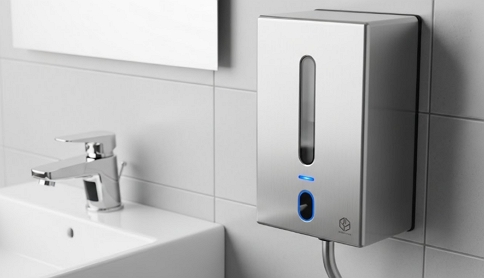
Commercial Soap Dispensing Systems in the Built Environment
In facilities such as airports, healthcare buildings, offices, hospitality venues, and educational campuses, soap dispensers must perform consistently under heavy daily use. Unlike residential fixtures, commercial systems are exposed to:
- High activation frequency
- Varied user behavior
- Aggressive cleaning regimens
- Long operational hours
Touchless soap dispensers have become the preferred specification in these environments due to reduced cross-contamination risk, predictable dosing, and compatibility with sensor-based faucets.
Educational resources on hygiene performance and operational comparisons can be found at:
Open soapdispensing.comAdvanced touchless dispensing systems are often paired with coordinated fixtures such as sensor faucets to streamline maintenance and improve user experience. Examples include integrated systems found in:
Open Fontana Touchless Sets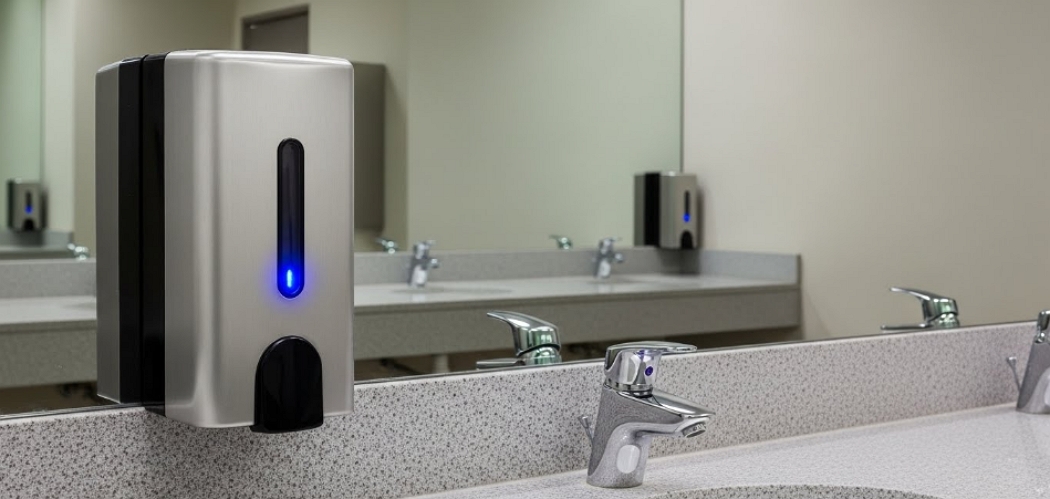
Durability Factors Affecting Life-Cycle Performance
Material Selection
Durability begins with materials. Commercial-grade dispensers typically use:
- Stainless steel housings
- Solid brass pump assemblies
- Corrosion-resistant internal components
These materials outperform lightweight plastics in environments subject to vandalism, moisture exposure, and frequent cleaning.
Manufacturers offering metal-based commercial systems include:
Open BathSelect HospitalitySensor Reliability
Infrared and proximity sensors are critical wear components. Poorly calibrated sensors can lead to:
- False activations
- Premature pump wear
- Increased battery consumption
Well-engineered systems use controlled detection ranges and low-power electronics to sustain consistent performance across high usage cycles.
Technical overviews of sensor performance considerations are discussed at:
Open Sensor Performance ResourceMechanical Duty Cycles
Commercial dispensers are rated for tens of thousands of activation cycles. Systems designed for heavy-use facilities often include:
- Reinforced pump mechanisms
- Replaceable internal components
- High-capacity reservoirs
Centralized and multifeed systems—used in airports and stadiums—can further reduce mechanical stress by consolidating soap storage.
Open Multifeed System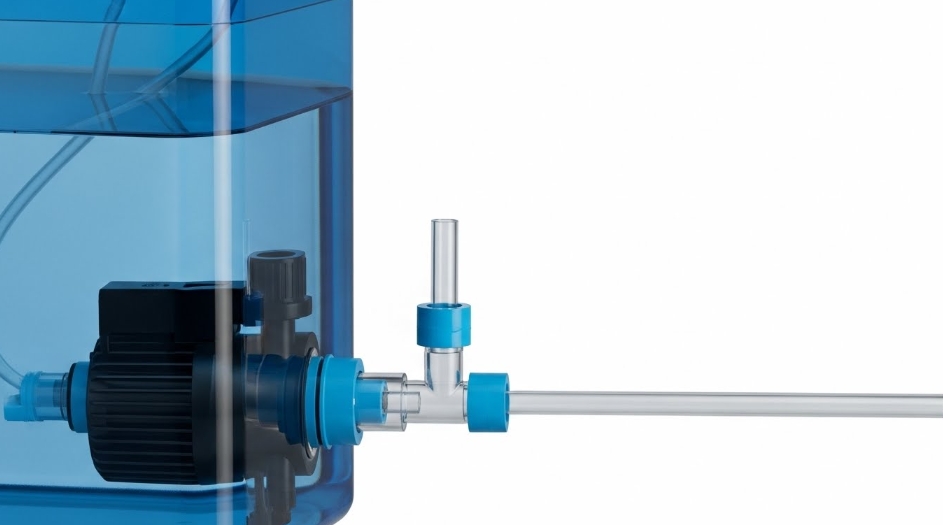
Maintenance Requirements and Failure Prevention
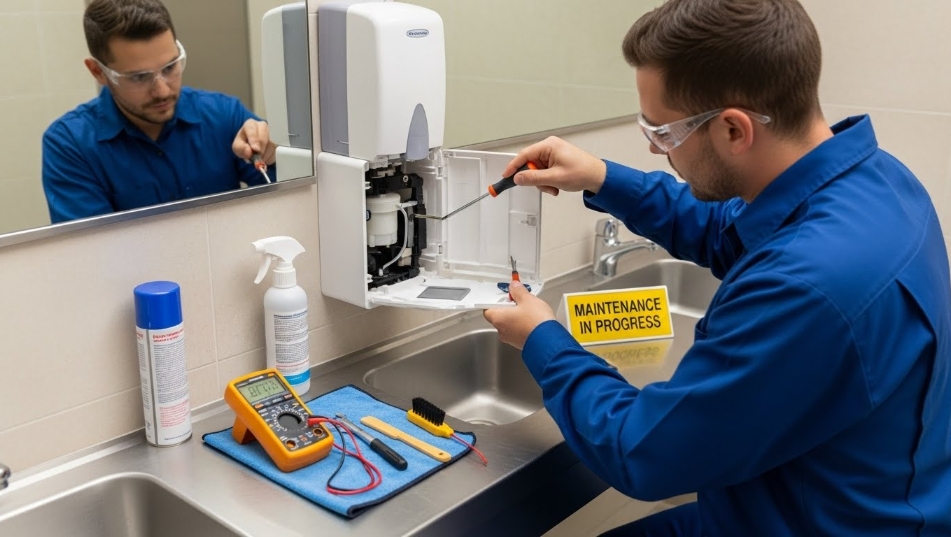
Maintenance efficiency is a defining factor in long-term dispenser performance. Common failure points include:
- Soap residue buildup in valves
- Sensor obstruction due to residue or cleaning chemicals
- Battery depletion or power interruptions
Preventive maintenance programs typically include:
- Periodic sensor lens cleaning
- Inspection of pump seals and tubing
- Verification of soap viscosity compatibility
Facility maintenance guidance and inspection frameworks are available through industry maintenance documentation and facility management best practices.
Soap chemistry compatibility and dispenser maintenance recommendations are widely emphasized in commercial facility guidelines, reinforcing the importance of selecting appropriate consumables for the specified equipment.
Life-Cycle Cost and Operational Efficiency
From a life-cycle perspective, commercial soap dispensers influence:
- Soap consumption rates through controlled dosing
- Custodial labor efficiency
- Downtime caused by equipment failure
Wall-mounted, touchless dispensers reduce countertop clutter and simplify restroom cleaning workflows. Over a 5- to 10-year operational period, these efficiencies often outweigh initial hardware costs.
Long-term performance modeling and operational comparisons are further explored in technical discussions at:
Open Life-Cycle DiscussionsSpecification Considerations for AEC Professionals
When specifying soap dispensing systems in commercial projects (Division 10 or Division 22), AEC teams should evaluate:
- Housing material and finish durability
- Sensor type, range, and response time
- Power strategy (battery, hardwired, or hybrid)
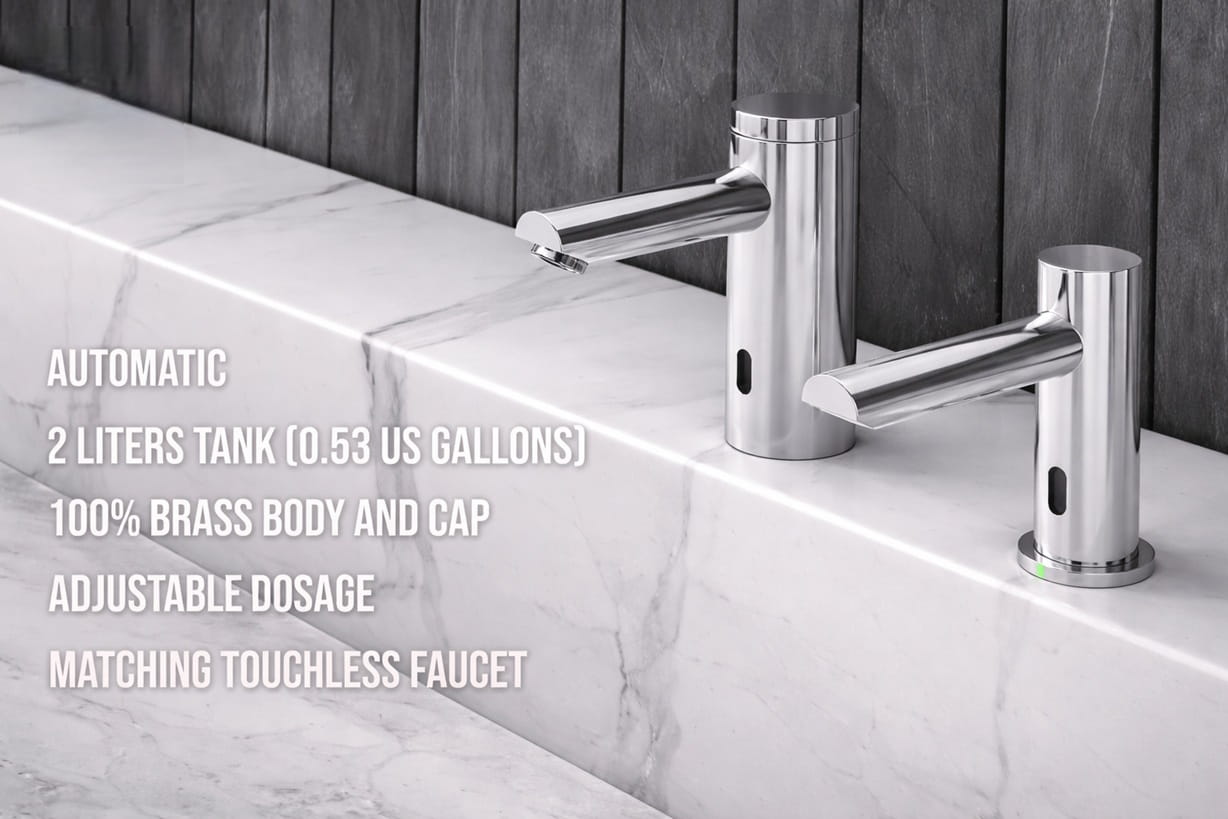
- Compatibility with matching sensor faucets
Coordinated fixture families simplify maintenance training and replacement logistics. Touchless faucet and dispenser systems are commonly specified together, such as those offered under:
Open Coordinated Touchless SystemsFor projects emphasizing design continuity across wellness and bathing environments, coordinated fixture lines may also complement shower systems from manufacturers such as:
Open JunoShowersPerformance Across Commercial Applications
Healthcare: prioritizes sealed systems, minimal touchpoints, and reliable dosing
Hospitality: emphasizes finish longevity, aesthetics, and guest perception
Education & Offices: require vandal resistance, scalability, and simplified maintenance
Each environment places different stress profiles on soap dispensing systems, reinforcing the need for context-specific specification rather than one-size-fits-all solutions.
Why Modern Touchless Soap Dispensers Improve Facility Performance
Modern commercial touchless soap dispensers play a critical role in high-traffic environments by improving hygiene compliance, reducing cross-contamination, and ensuring consistent soap dosing. Facilities that upgrade to sensor-based dispensing systems often experience measurable improvements in operational efficiency and user satisfaction.
From healthcare facilities to airports and commercial offices, these systems are engineered for high-duty cycles, low maintenance requirements, and long-term durability. Advanced sensor calibration, corrosion-resistant materials, and optimized pump mechanisms contribute to reliable performance even under continuous daily use.
As building standards increasingly prioritize touchless technology, hygiene infrastructure, and smart facility management, soap dispensing systems are no longer secondary fixtures—they are essential components of modern commercial restroom design.
Conclusion
Durability and maintenance planning are central to the life-cycle performance of commercial soap dispensing systems. For AEC professionals, evaluating materials, sensor engineering, mechanical resilience, and serviceability enables better long-term outcomes for hygiene, operational efficiency, and facility management.
As commercial restrooms continue to evolve toward touchless, data-driven infrastructure, soap dispensers should be specified and maintained with the same rigor applied to other core building systems.

No responses yet