
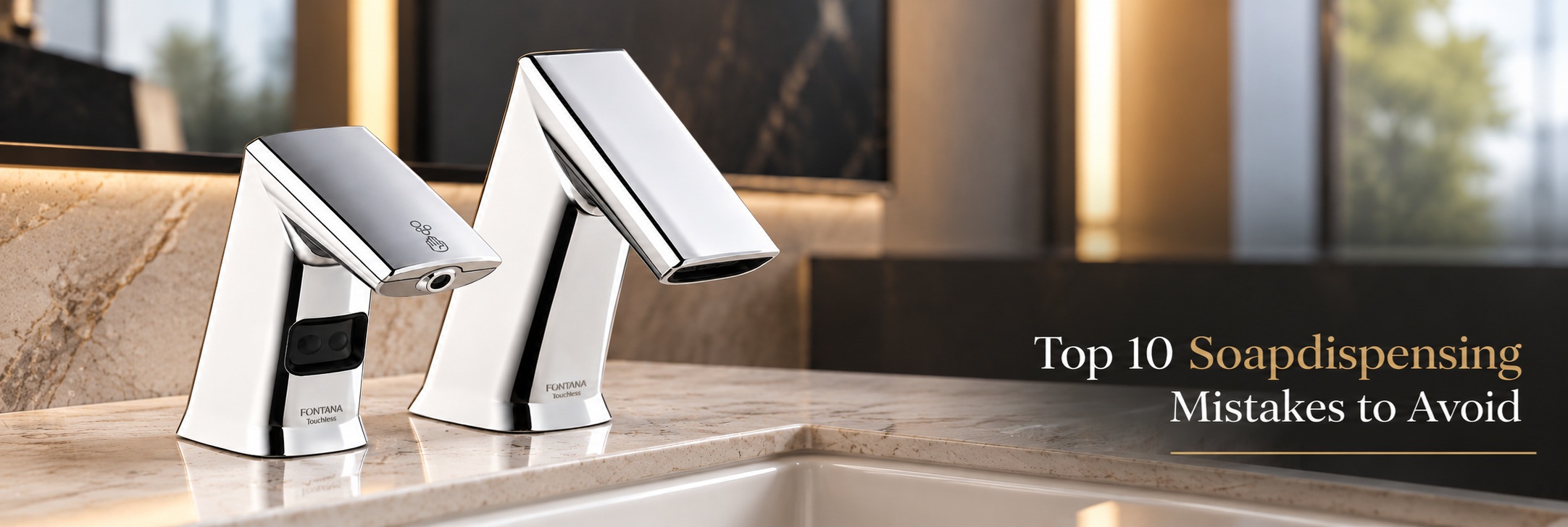
Top 10 Soapdispensing Mistakes to Avoid
Discover the most common automatic soap dispenser problems and learn how to prevent incorrect sensor activation, dispensing failures, incompatible soap, inaccessible installation, poor maintenance access and unnecessary lifecycle expenses.
Why Soap Dispensing Mistakes Matter
A dependable soap dispenser should deliver the intended soap dose, respond predictably to the user’s hand and remain accessible for cleaning and maintenance.
In commercial hotels, shopping malls, airports, hospitals, stadiums and corporate workplaces, poorly coordinated soap dispensers can contribute to unexpected downtime, excessive soap consumption, accidental activation and maintenance difficulties.
Many of these problems result from specification and installation decisions rather than a single equipment defect. Selecting the proper dispenser, soap formulation, power supply and mounting arrangement can prevent avoidable failures.
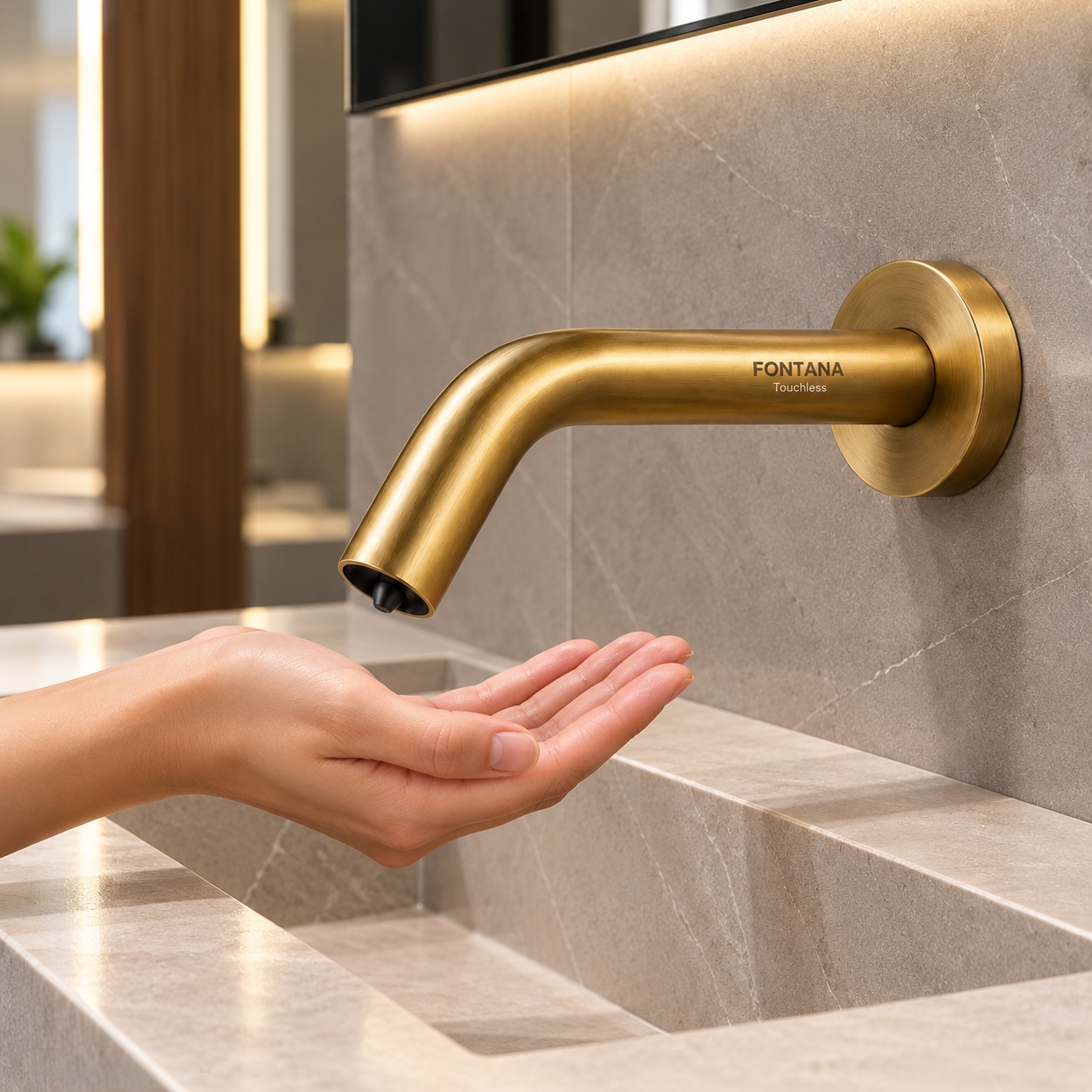
Design principle: Evaluate the soap dispenser as one component of a complete washstation, including the faucet, basin, countertop, power supply, soap reservoir and service access.
Read More — Hand Hygiene and Equipment Reliability
Effective handwashing requires appropriate soap availability and convenient access to functioning handwashing facilities. Automatic dispensers can reduce the need to touch a shared dispensing control, but they do not replace proper handwashing, cleaning or maintenance procedures.
Commercial installations should balance visual design with functional reliability. An elegant dispenser that is difficult to refill or positioned outside the practical handwashing area may perform poorly over time.
Architects, facility operators and contractors should coordinate equipment requirements before the countertop, wall finishes and concealed service spaces are finalized.
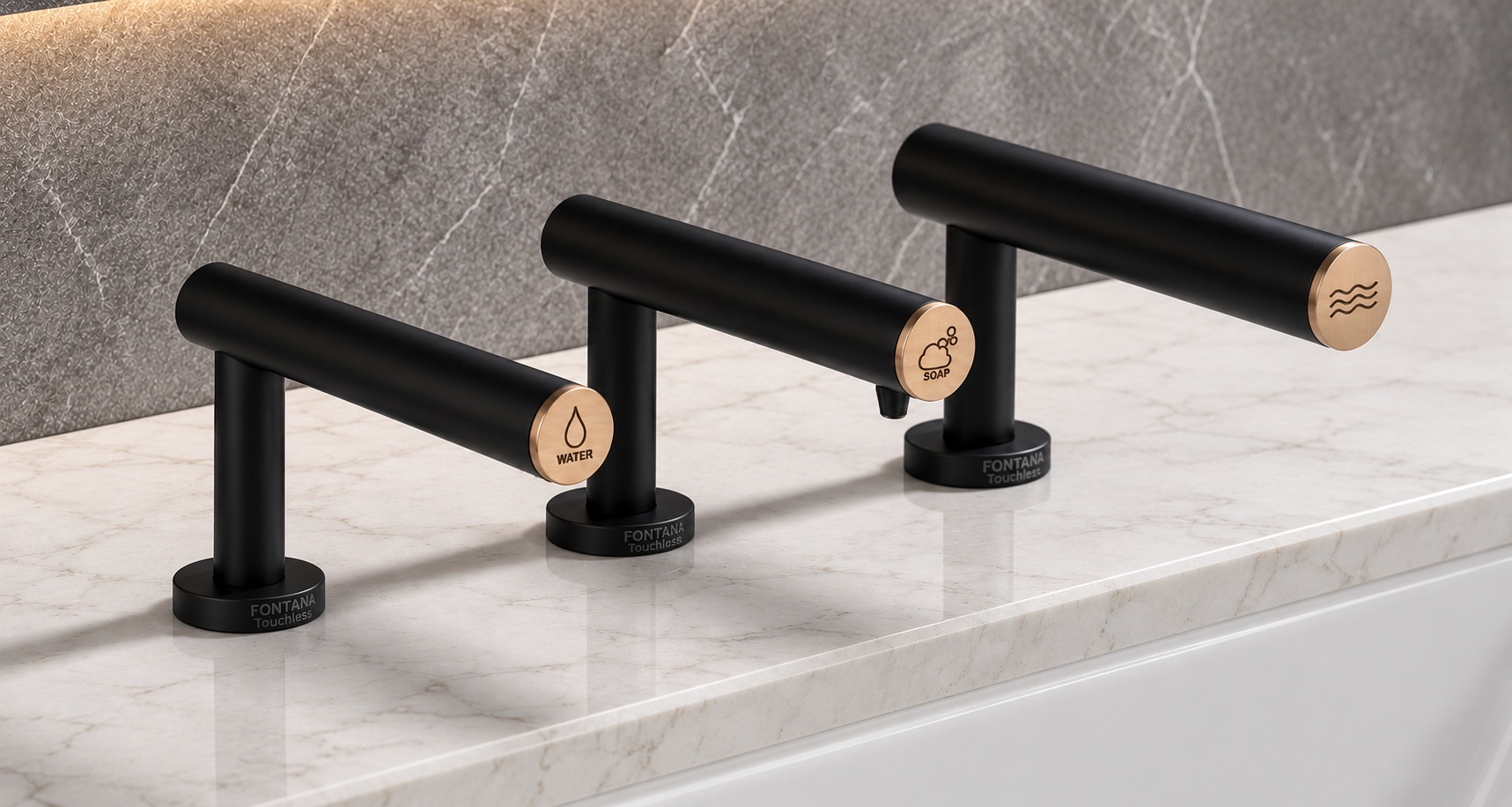
Common Soap Dispensing Mistakes at a Glance
The following issues are particularly relevant when selecting, installing and maintaining automatic soap dispensers for commercial and institutional buildings.
| Mistake | Operational Risk | Preventive Measure |
|---|---|---|
| Wrong dispenser type | Unsuitable configuration | Match system to application |
| Incorrect sensor placement | Missed or unintended activation | Verify detection-zone geometry |
| Incompatible soap formulation | Clogging or pump problems | Follow approved soap requirements |
| Incorrect dispensing dose | Waste or insufficient output | Commission the supported dose setting |
| Poor basin coordination | Spillage and awkward use | Coordinate outlet and sink geometry |
| Inadequate power planning | Unexpected downtime | Confirm electrical specifications |
| Improper refilling | Contamination and malfunction | Use approved refill procedures |
| Ignoring accessible placement | Restricted usability | Review accessibility requirements |
| Insufficient service access | Difficult maintenance | Provide maintenance clearances |
| Ignoring lifecycle costs | Higher long-term expense | Evaluate total cost of ownership |
Choosing the Wrong Soap Dispenser Type
Automatic, manual, wall-mounted, deck-mounted and centralized soap dispensing systems serve different restroom applications.
A dispenser selected primarily for appearance may lack the required refill capacity, serviceability or mounting configuration for a particular facility.
How to Avoid This Mistake
Evaluate restroom traffic, expected usage, mounting constraints, refill logistics and available maintenance support.
Learn More — Selecting a Complete System
Deck-mounted dispensers provide an integrated appearance but require suitable countertop penetrations and undercounter clearances.
Wall-mounted systems preserve countertop space but need appropriate wall support, accessible placement and, when concealed, maintenance accommodation.
Centralized bulk-feed systems may reduce individual refill tasks, but introduce additional pumping, tubing and servicing requirements.
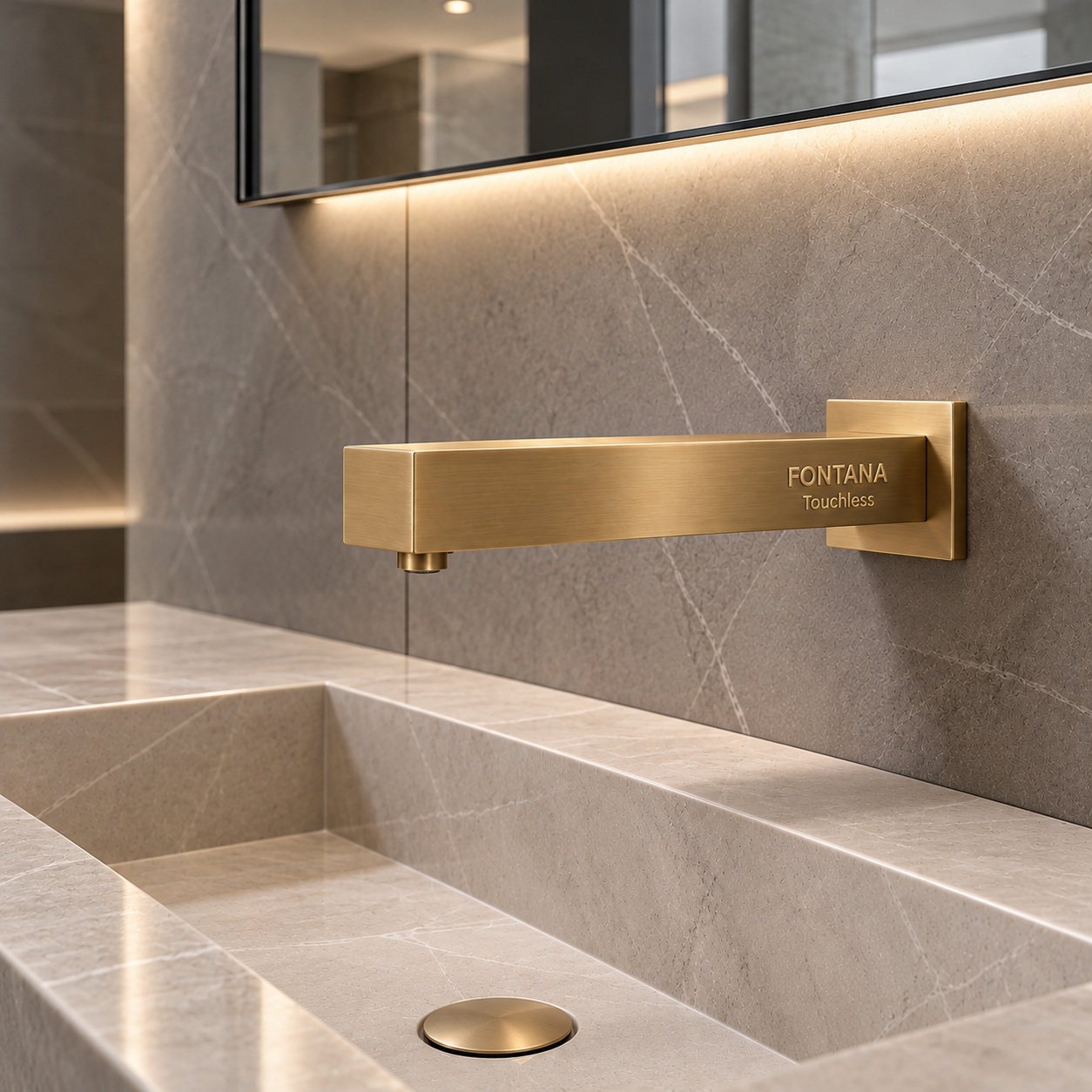
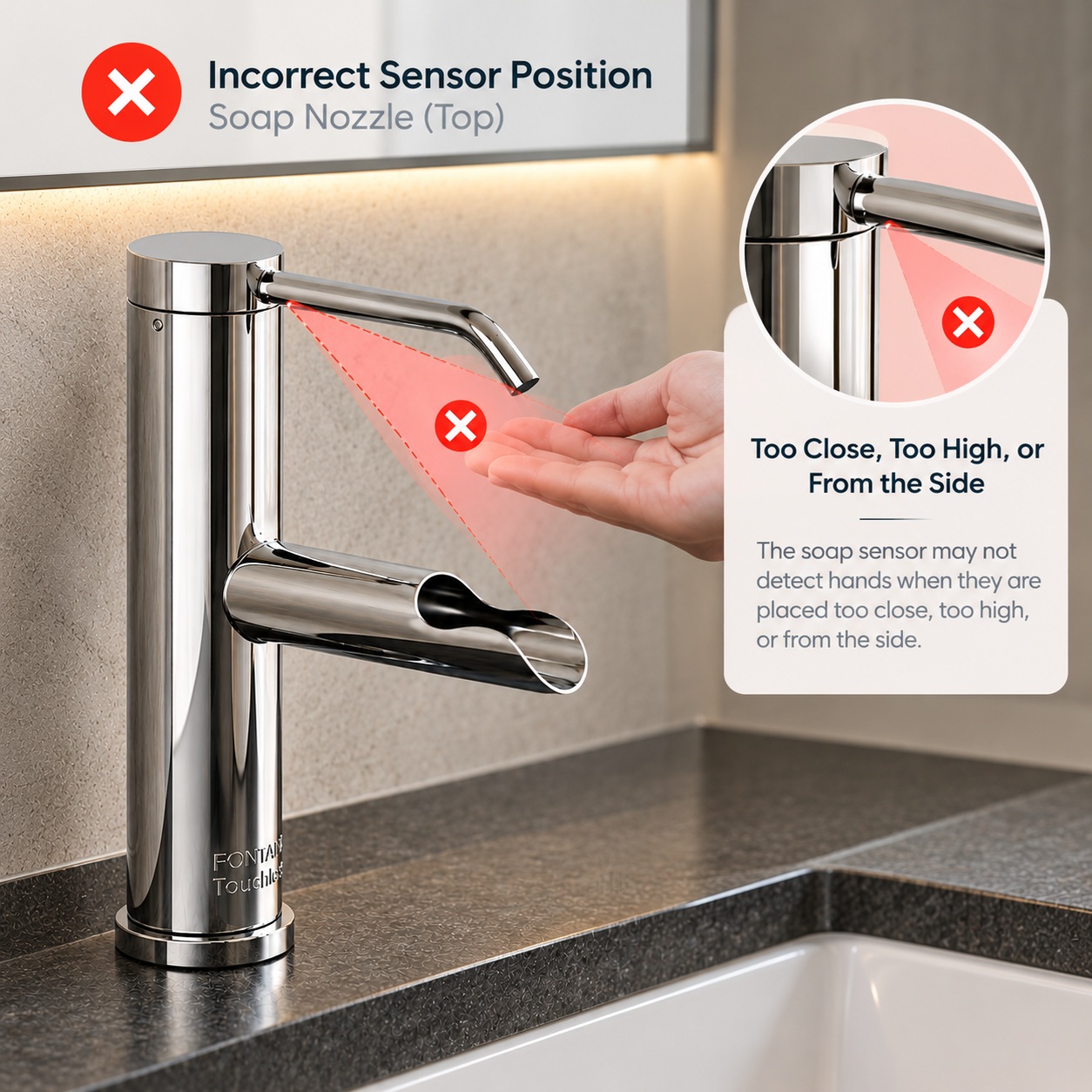
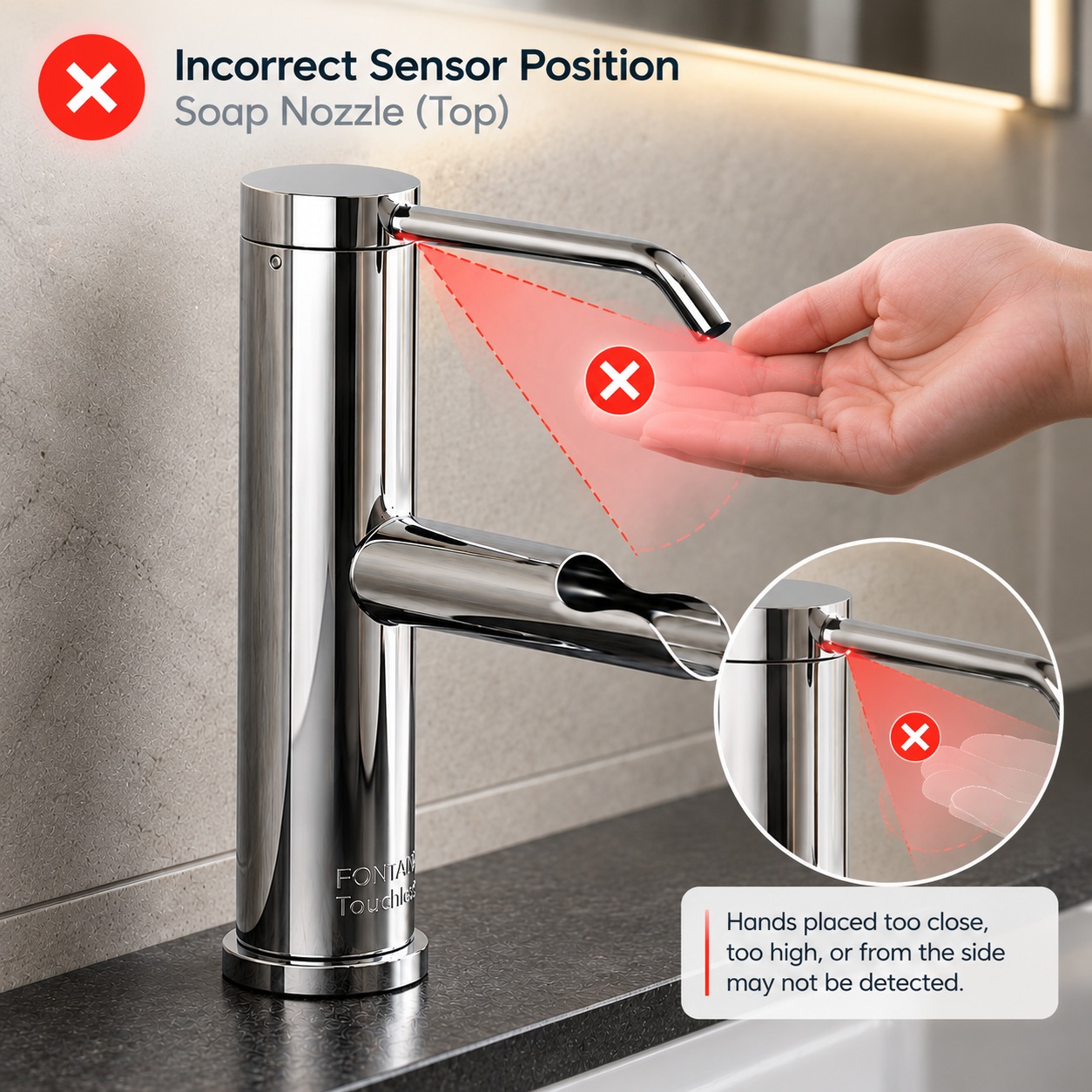
Incorrect Sensor Position and Detection Zone
Touchless soap dispensers depend on accurately detecting hands within the intended operating area. Incorrect sensor positioning can create missed activations, unintended dispensing or inconsistent response.
How to Avoid This Mistake
Verify the manufacturer’s sensor range, outlet position and recommended installation geometry. Conduct operational testing with the final countertop, faucet and basin installed.
Read More — IR and Time-of-Flight Sensor Engineering
Reflective infrared sensors detect returned light from objects within the optical sensing area. Performance can vary with reflectance, geometry, ambient light and sensor calibration.
Time-of-Flight systems estimate distance using the travel characteristics of emitted and returned optical signals. Properly designed ToF sensing can support defined distance-based activation zones.
Neither technology guarantees consistent operation independently of installation. Actual performance should be confirmed through the manufacturer’s documentation and commissioning procedures.
Using an Incompatible Soap Formulation
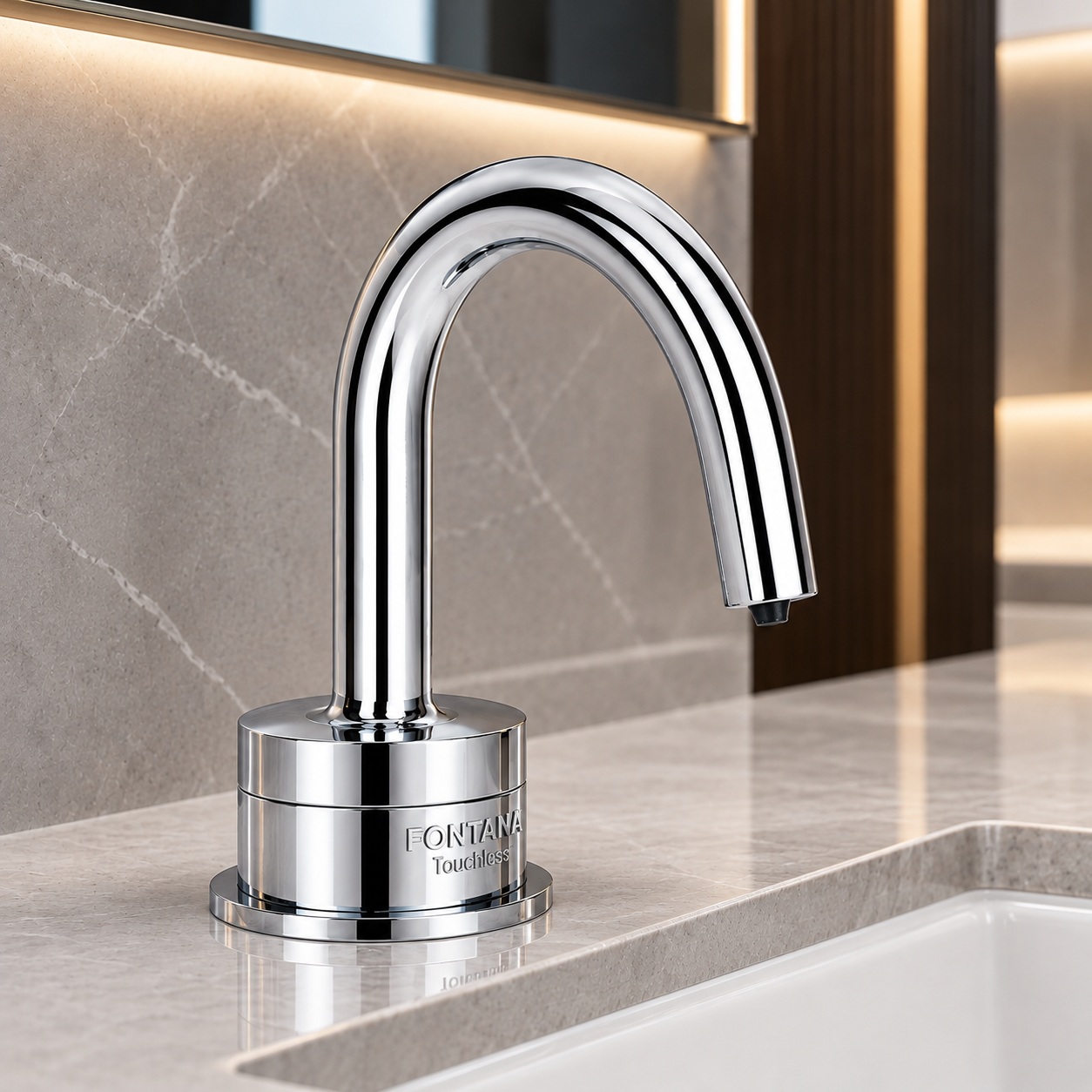
Liquid and foam soap dispensers may require different pumping mechanisms, fluid pathways and formulation properties.
Using incompatible soaps can produce irregular output, nozzle obstruction, pump strain or deterioration of internal components.
How to Avoid This Mistake
Confirm the manufacturer’s approved soap formulation, viscosity range and refill requirements.
View More — Pump and Fluid Compatibility
Viscosity, temperature and formulation chemistry can affect pump response and delivered dose.
Foam systems commonly incorporate air-mixing arrangements that may not work correctly with formulations intended for liquid-only dispensers.
Procurement and facility maintenance teams should coordinate soap selection with the approved equipment specification.
Incorrect Soap Dispensing Volume
Excessive soap delivery can increase consumption and residue around the handwashing area. Insufficient delivery may result in repeated user activation.
Some automatic dispensers support adjustable dosing, while others provide a manufacturer-defined output.
How to Avoid This Mistake
Confirm the supported dosing range and evaluate actual delivery during commissioning with approved soap.
Learn More — Dispensing Volume Calculation
Average daily soap demand can be estimated using dispensing frequency and average dose.
For example, 600 daily activations at a hypothetical 1.0 mL per activation produce 600 mL/day. This is a planning illustration, not a universal recommended dose.
Actual demand depends on the approved soap, user behavior, multiple activations and equipment characteristics.
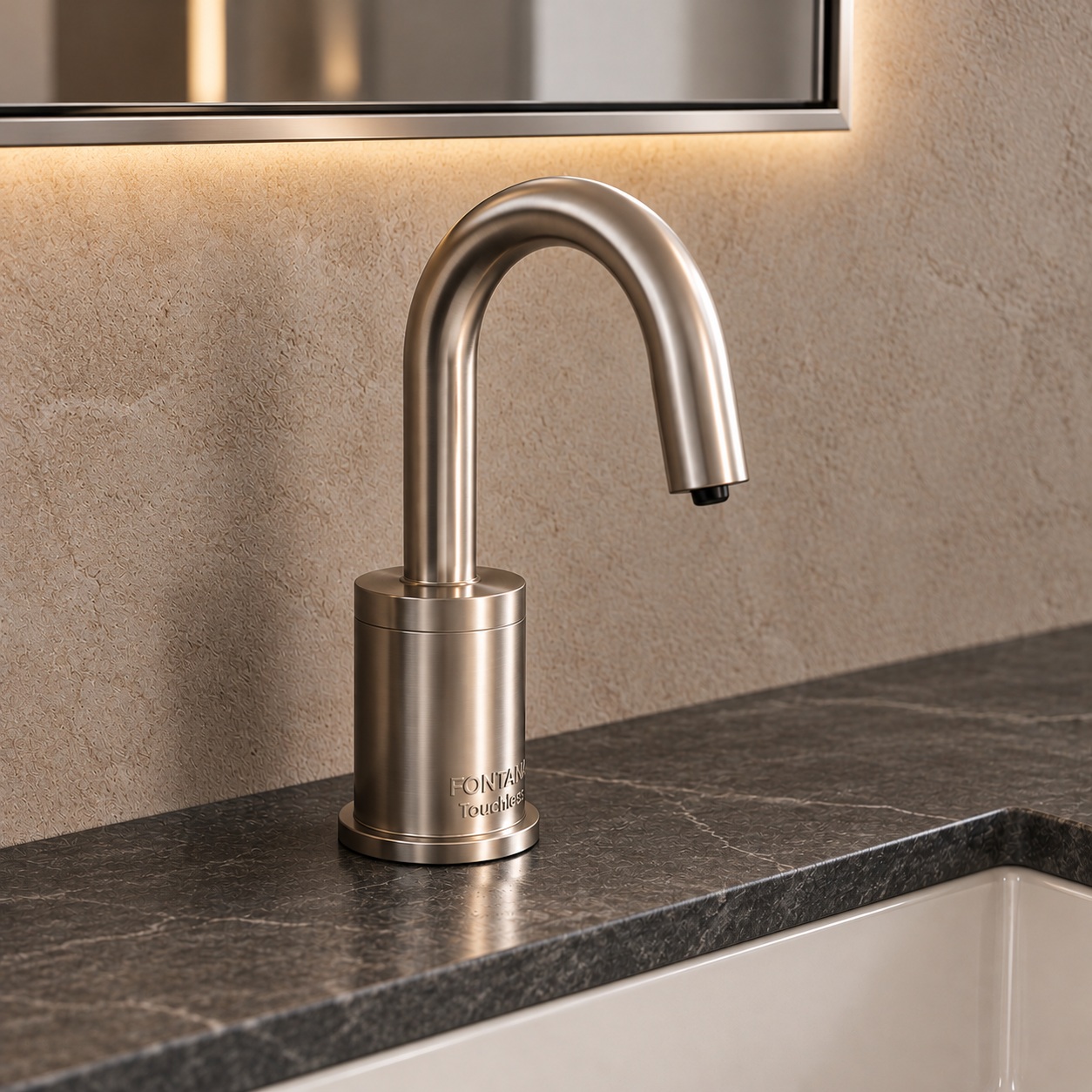
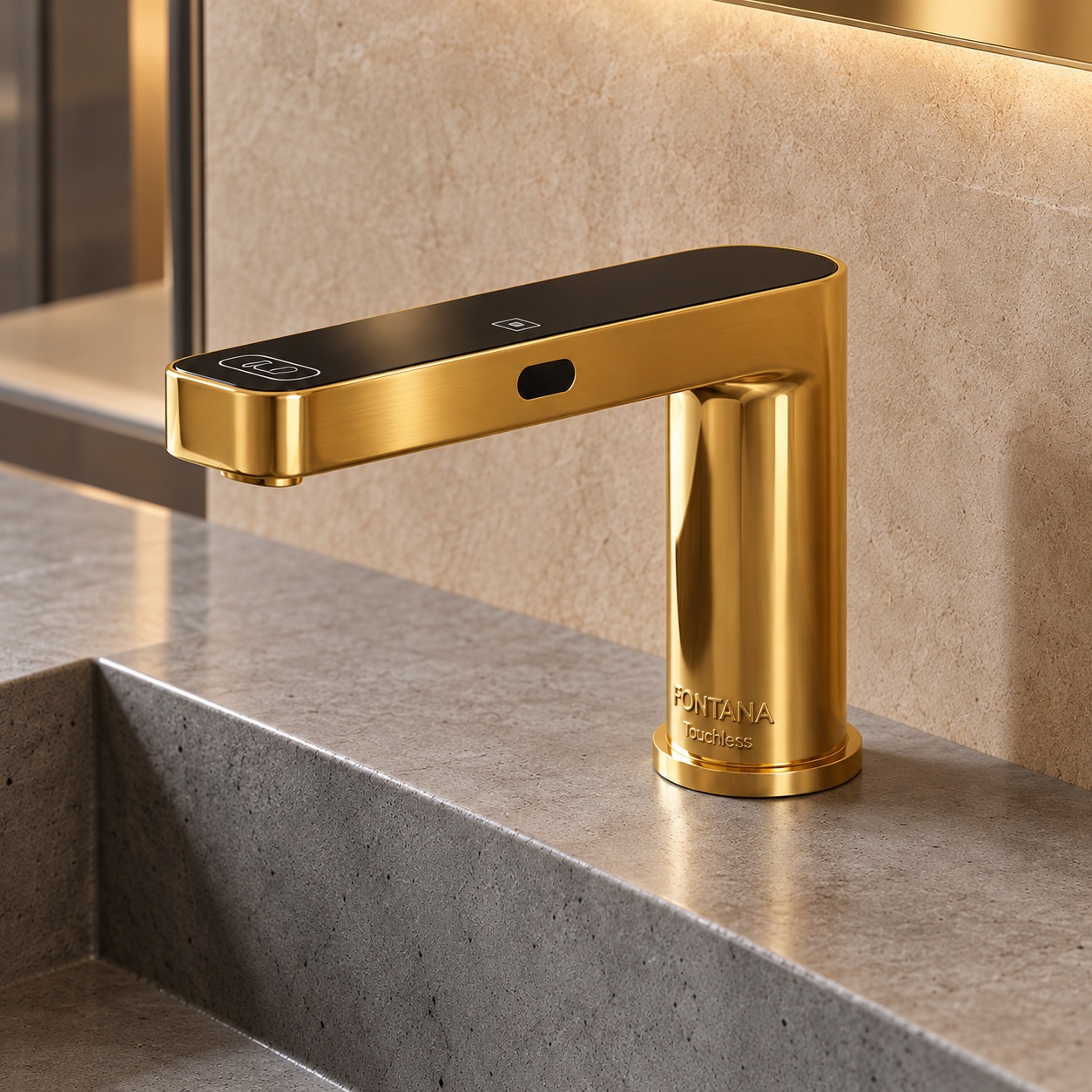
Poor Soap Dispenser-to-Basin Coordination
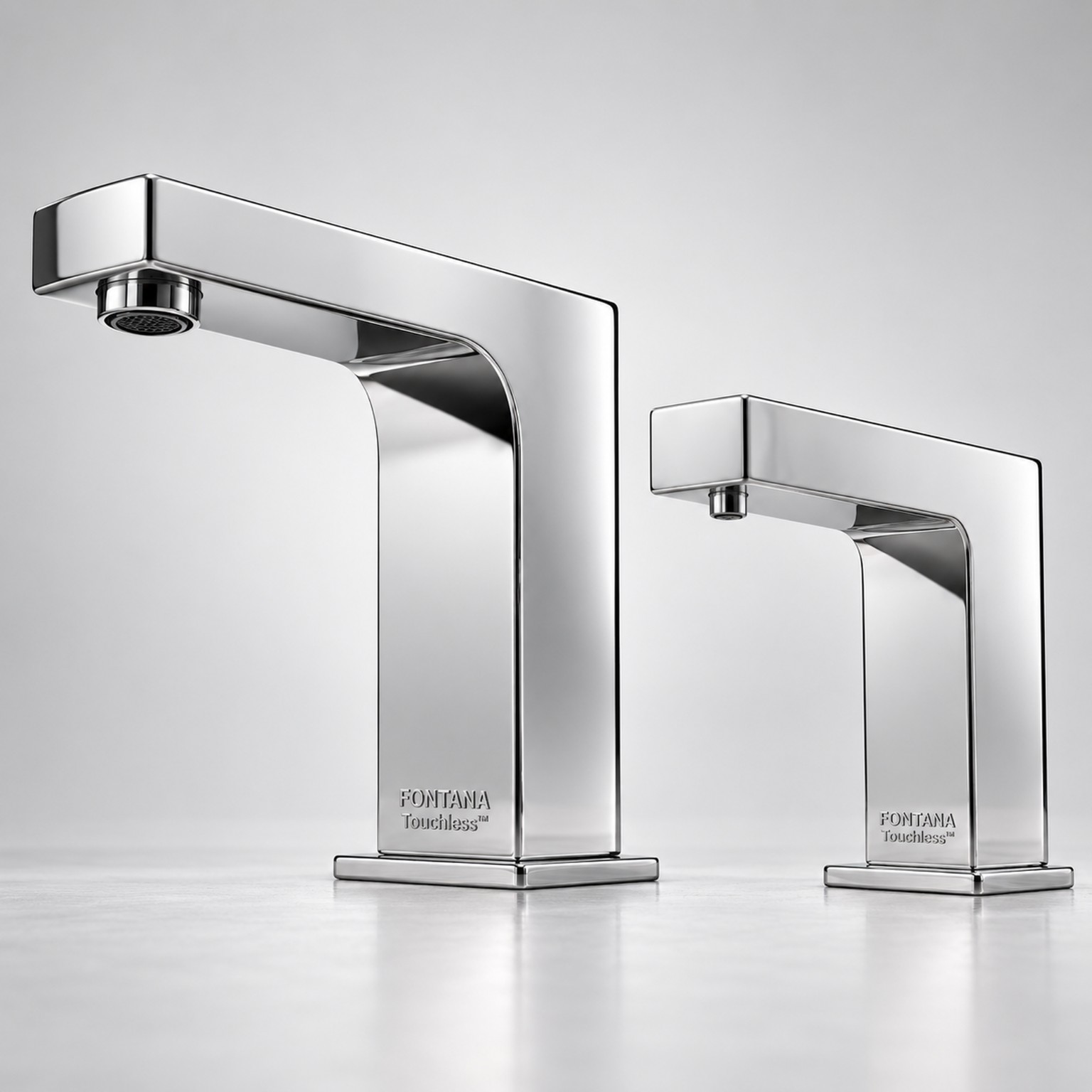
Poorly positioned soap dispensers can encourage soap dripping outside the basin or require awkward user movements between dispensing and washing.
How to Avoid This Mistake
Coordinate the outlet projection, basin dimensions, faucet position, countertop depth and intended user hand position.
Read More — Mounting and Spatial Coordination
Deck-mounted dispensers require correct countertop penetration, compatible material thickness and adequate structural clearance.
Wall-mounted dispensers may require backing support and a suitable installation height relative to the basin.
Project drawings should show the finished installation, not only independent fixture dimensions.
Failing to Coordinate the Electrical Power Supply
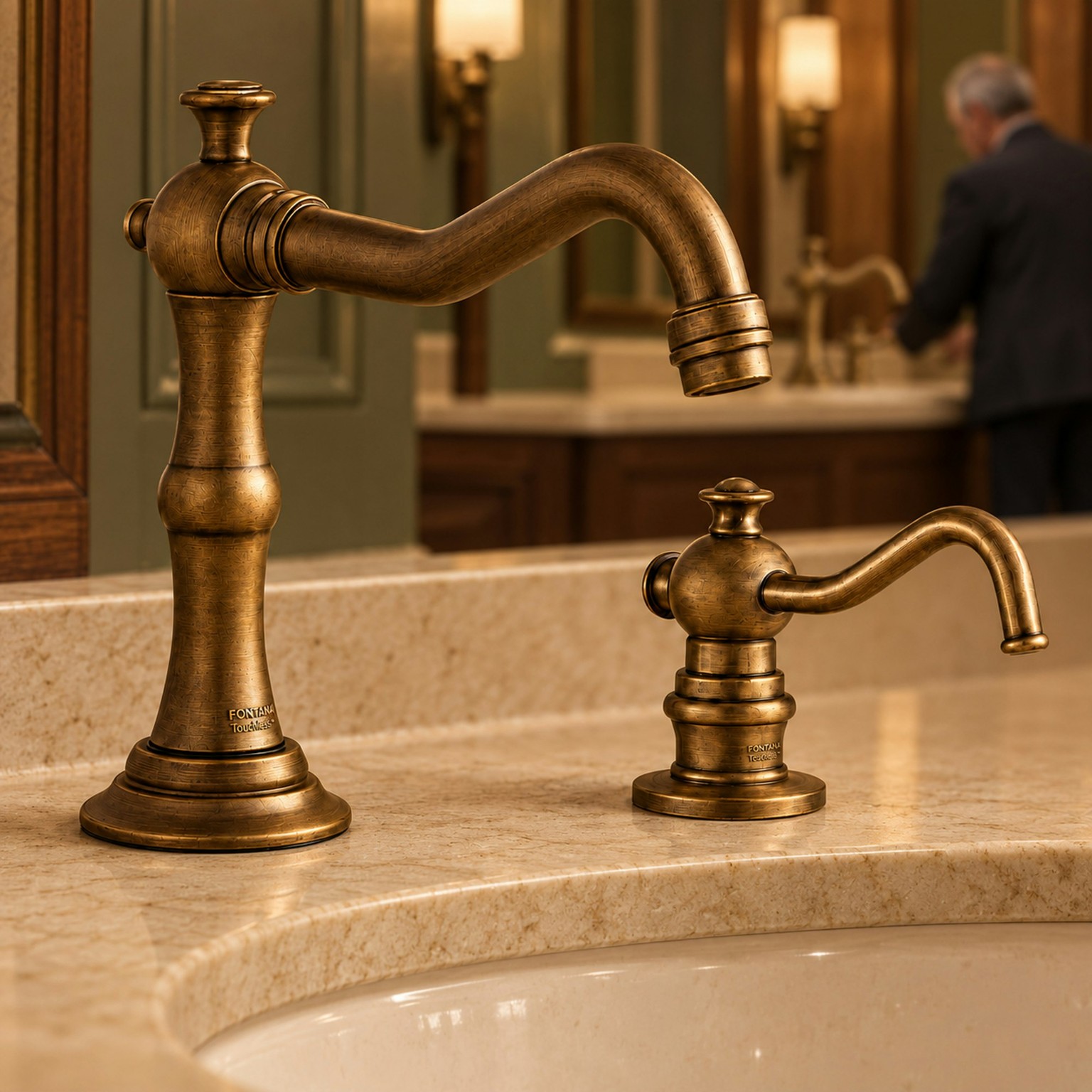
Automatic soap dispensers require electrical power for sensing and dispensing functions. Equipment may operate using batteries, approved external power supplies or other documented configurations.
Incorrect voltage, inaccessible power components or unsuitable electrical installation can create operational problems.
How to Avoid This Mistake
Review the selected product’s electrical input, approved power supply, cable routing, battery access and applicable environmental protection requirements.
View More — Power and IP Protection
Where external power is used, confirm the adapter’s input rating and the dispenser controller’s required output voltage and polarity.
Do not assume that a controller, transformer and dispenser head have identical ingress-protection ratings.
Electrical equipment must be installed according to manufacturer instructions and applicable local electrical codes.
Improper Soap Refilling and Reservoir Hygiene
Incorrect refilling procedures can contribute to contamination and poor dispenser performance.
CDC healthcare guidance advises against adding liquid soap to partially empty dispensers, because topping off has been associated with bacterial contamination.
How to Avoid This Mistake
Follow the dispenser manufacturer’s approved refill method and facility hygiene protocols. Refillable containers may require cleaning and drying before replenishment.
Learn More — Refillable and Sealed Systems
Sealed cartridges should be replaced with compatible approved supplies.
Refillable reservoirs should be maintained using documented cleaning and handling procedures. Incompatible formulations should not be mixed.
Healthcare facilities should coordinate dispensing procedures with infection prevention personnel and relevant clinical policies.
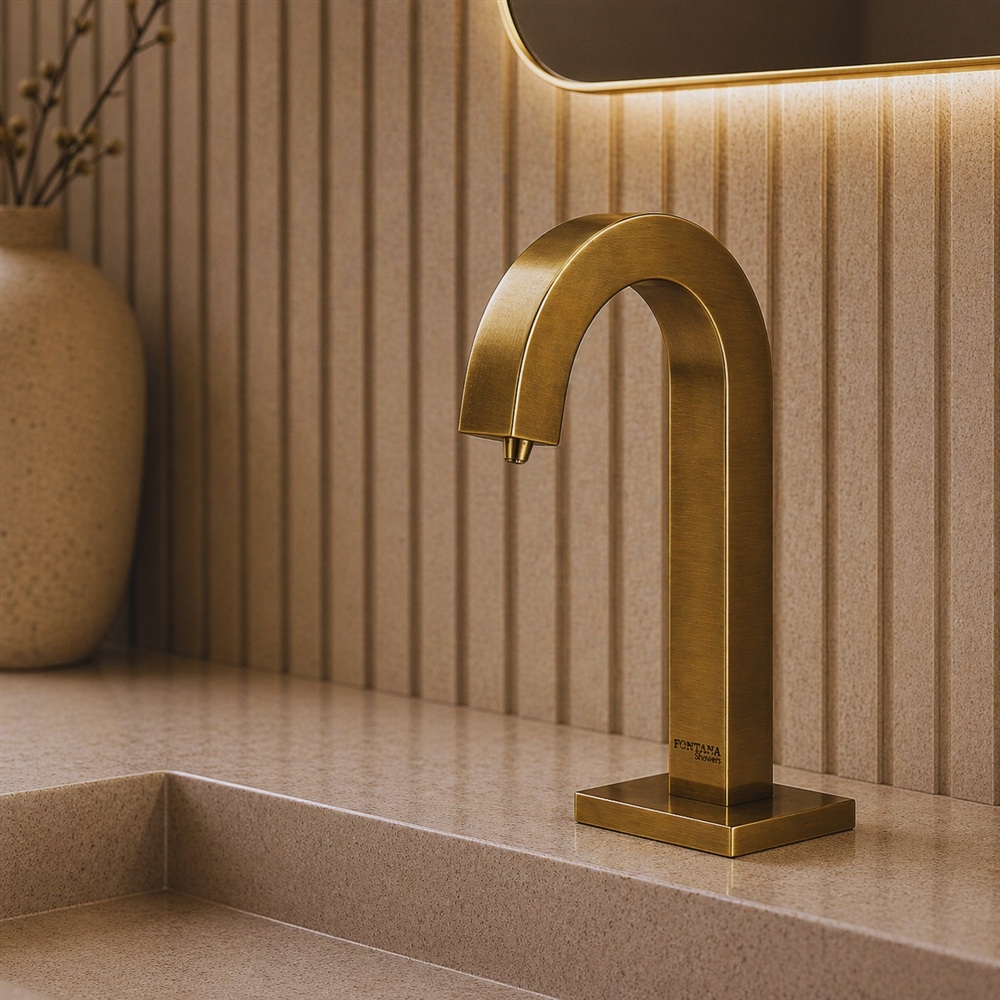
Ignoring Accessible Soap Dispenser Placement
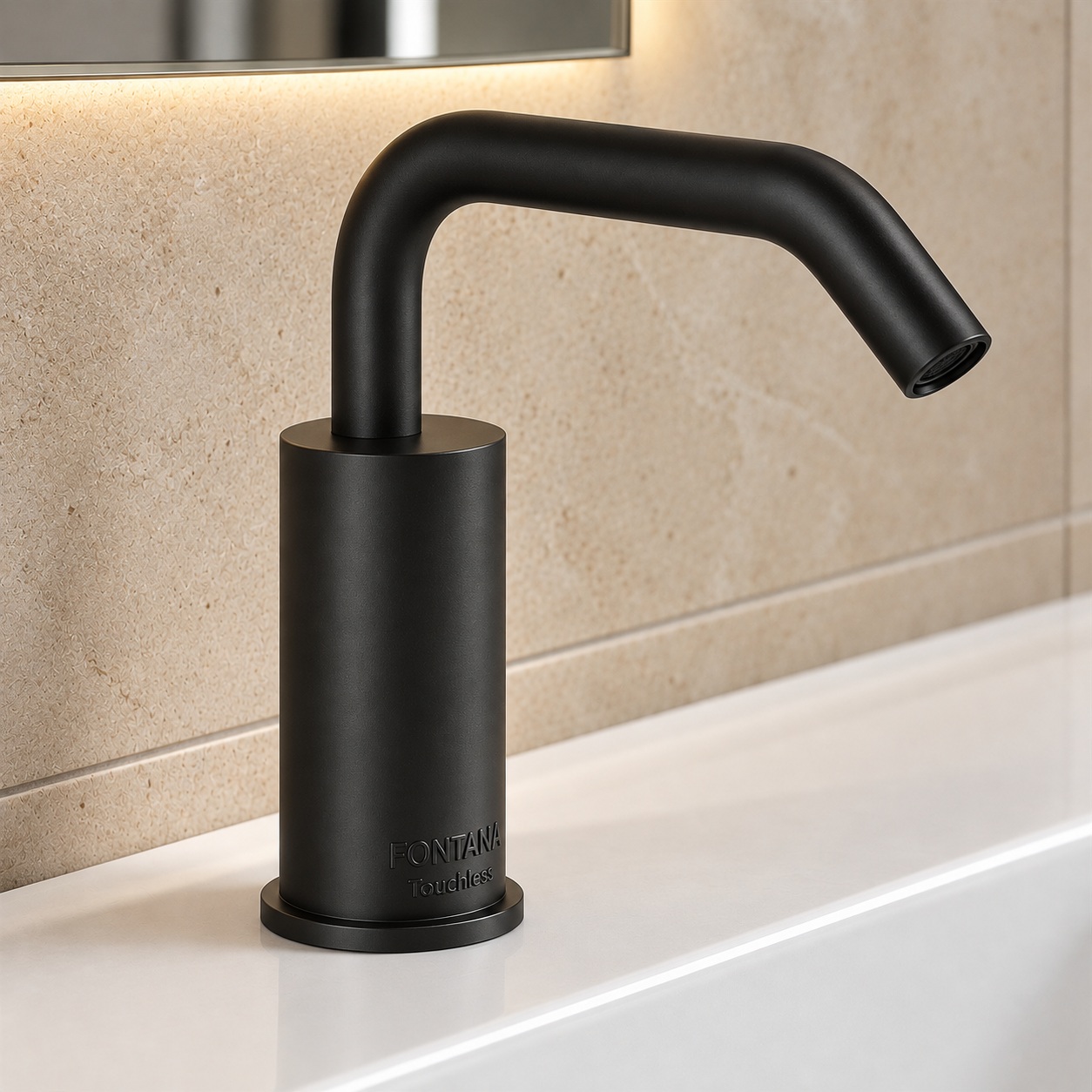
Touchless operation does not automatically establish compliance with accessibility standards.
The 2010 ADA Standards address accessible reach ranges and operable parts under Sections 308 and 309.
The general unobstructed adult reach range is 15 to 48 inches above the finished floor. Obstructions may require a more restrictive reach condition.
How to Avoid This Mistake
Review reach depth, clear floor space, counter geometry and actual sensor activation position.
Read More — Accessibility Coordination
Evaluate the complete installed washstation, not simply the nominal dispenser mounting height.
Check whether a user positioned at the accessible lavatory can place a hand within the sensing area comfortably.
Applicable ADA, ICC A117.1 and local accessibility requirements should be reviewed for the project.
Insufficient Maintenance and Service Access
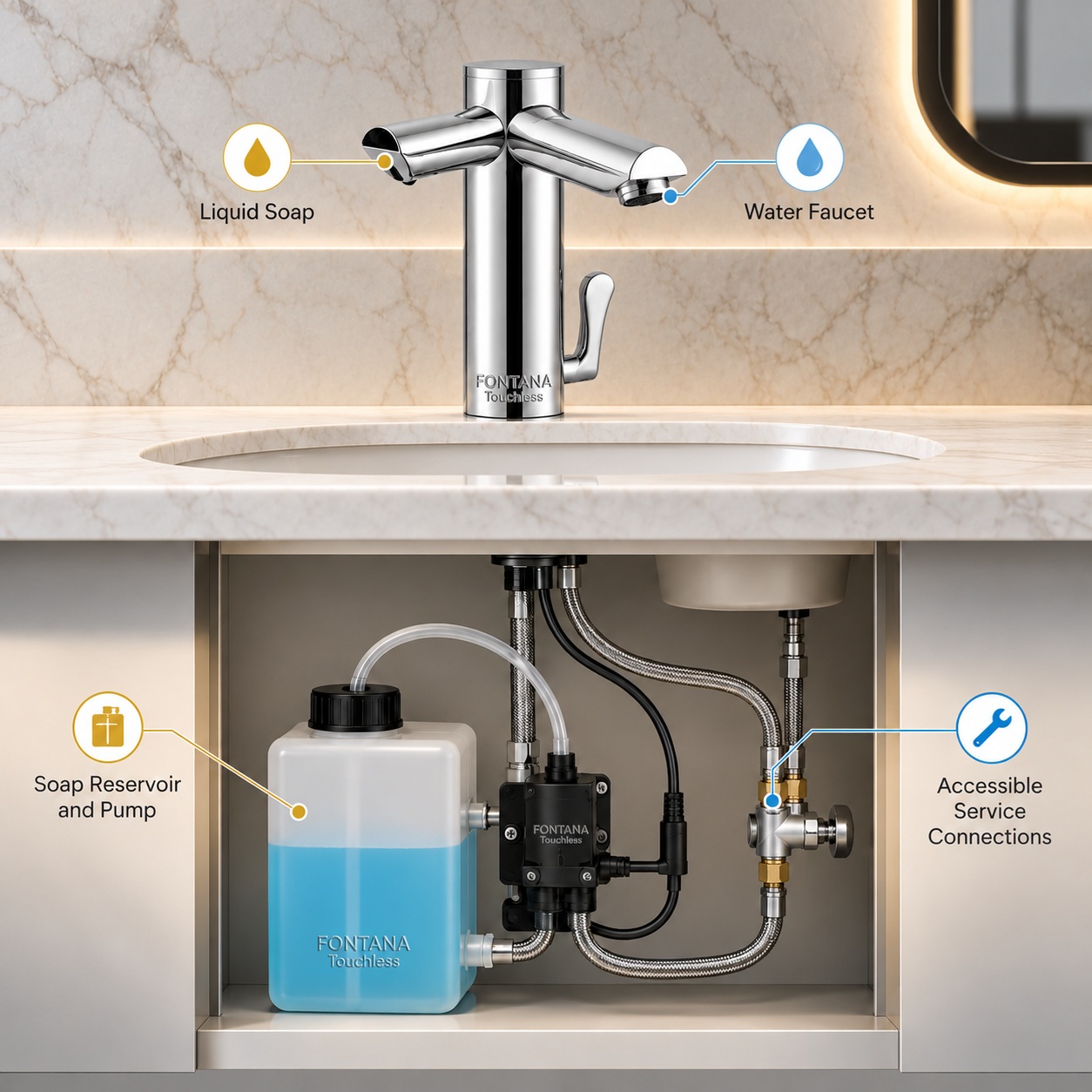
Concealed dispensing systems can produce an attractive architectural appearance, but reservoirs, pumps, cables and tubing must remain accessible.
How to Avoid This Mistake
Coordinate reservoir clearance, cabinet dimensions, replacement procedures and access to electrical and fluid components.
View More — Maintainability and Spare Parts
Ensure that routine maintenance does not require destructive removal of finished materials.
For centrally supplied installations, include service provisions for pumps, distribution tubing, reservoirs and isolation components.
Confirm the availability of compatible replacement parts before final equipment selection.
Ignoring Soap Dispenser Lifecycle Costs
Initial equipment cost represents only one part of a soap dispensing system’s financial impact.
Soap consumption, refill labor, batteries, power requirements, replacement parts and operational downtime contribute to long-term facility expense.
How to Avoid This Mistake
Compare the total expected ownership cost over an appropriate evaluation period.
Learn More — Lifecycle Cost Evaluation
A lifecycle estimate can include purchase, installation, consumables, maintenance labor, energy and replacement components.
Consider the actual demand associated with the facility rather than relying on generic assumptions.
Technical Soap Dispenser Specification Checklist
Before approving an automatic soap dispensing package, the project team should obtain manufacturer documentation addressing the following characteristics.
Architectural & Mechanical
- Wall-mounted or deck-mounted configuration
- Overall fixture dimensions
- Mounting hole and counter thickness limits
- Spout reach and outlet geometry
- Soap formulation compatibility
- Reservoir capacity and pump arrangement
- Service clearance and accessibility
Sensor & Electrical
- Sensor technology and detection range
- Activation and reset behavior
- Dispensing dose and adjustment capability
- Input voltage and approved power adapter
- Battery requirements where applicable
- Electrical enclosure and IP classification
- Commissioning and troubleshooting procedures
Specification guidance: Avoid assigning unverified sensor ranges, power ratings, reservoir capacities or compliance certifications to an entire product collection. These characteristics must be confirmed for the selected model.
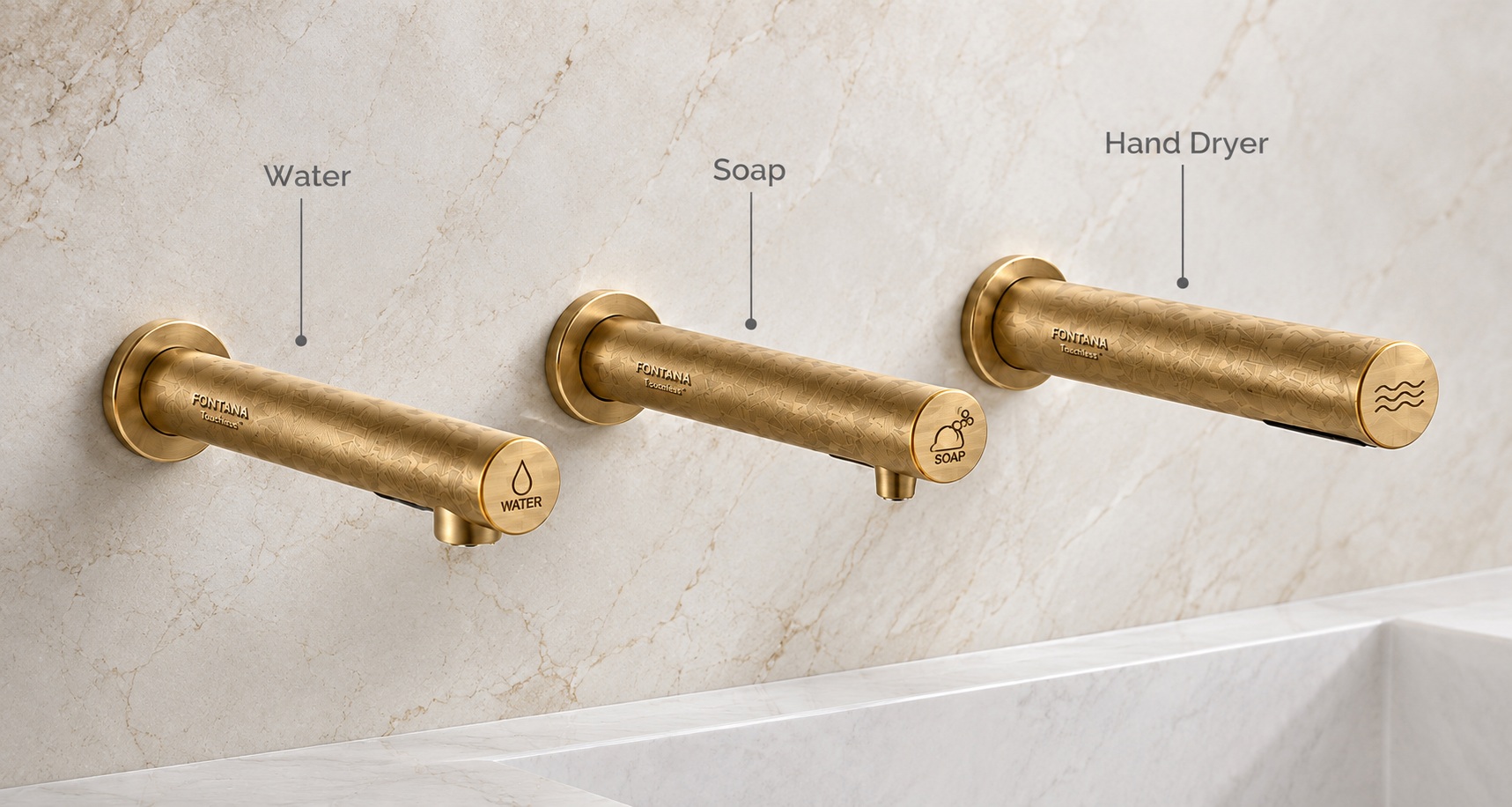
Technical FAQs: Automatic Soap Dispenser Design, Installation and Troubleshooting
The following answers address common engineering, installation and maintenance questions associated with commercial touchless soap dispensing systems. Specifications are model-dependent unless otherwise indicated.
What causes false activation in infrared soap dispensers, and how can it be corrected?
False activation may result from reflections, sensor contamination, optical interference, installation geometry or improper calibration. Reflective infrared sensors depend on emitted light returning from objects within the sensing field.
Inspect the sensor window, verify the manufacturer’s specified detection zone and test the dispenser with surrounding fixtures installed. Adjust settings only within the manufacturer’s supported procedure.
How does Time-of-Flight sensing differ from conventional infrared reflection sensing?
Conventional reflective infrared systems commonly infer object presence from returned optical energy. Time-of-Flight systems estimate distance using the timing characteristics of emitted and reflected optical signals.
Distance-based sensing can help establish defined activation zones, but actual reliability depends on sensor design, optical conditions, calibration and installation geometry.
What viscosity requirements apply to automatic liquid and foam soap dispensers?
Soap viscosity limits are specific to the pump, valves, tubing and dispensing mechanism. Liquid soap and foam soap systems are not necessarily interchangeable.
Review the approved formulation and viscosity requirements in the product documentation. Do not specify a universal viscosity range for all commercial dispensers.
How should the dispensing volume of an automatic soap dispenser be calculated?
Estimate soap demand by multiplying expected activations per day by the average dispensing volume per activation.
For example, 600 activations at a hypothetical 1.0 mL per activation require approximately 600 mL daily, excluding waste and other variation. The correct dispensing dose must be determined using compatible soap and manufacturer instructions.
What electrical requirements should be verified before installing an automatic soap dispenser?
Verify the controller’s rated input, approved power-supply output, voltage type, polarity, current capacity and battery configuration where applicable.
Electrical installation should follow manufacturer instructions and applicable local electrical codes. Do not assume that all dispensers accept direct mains-voltage connection.
What IP rating is required for electronic soap dispensers in commercial bathrooms?
There is no single universal IP rating for every commercial soap dispenser. Required enclosure protection depends on the installation environment, exposure to water or cleaning procedures, applicable electrical requirements and the manufacturer’s design.
Verify the declared ingress-protection classification of each relevant electrical assembly under IEC 60529 and ensure suitability for its location.
How should soap dispensers be positioned relative to faucets and washbasins?
The dispensing outlet should support natural hand placement within the intended washing area. Coordinate spout projection, basin dimensions, countertop depth, sensor position and adjacent faucet geometry.
Confirm that normal hand movements do not create unintended activation and that dispensing does not encourage soap spills outside the basin area.
What accessibility requirements apply to automatic soap dispenser installation?
Accessible installation requires review of the 2010 ADA Standards, including Sections 308 and 309, and other applicable project requirements. General unobstructed adult reach ranges are 15 to 48 inches above the finished floor.
Countertop obstructions, approach direction and reach depth may change the permitted installation condition. Touchless activation alone does not establish compliance.
How can technicians diagnose an automatic soap dispenser that runs but does not deliver soap?
Possible causes include an empty reservoir, air within the fluid pathway, blocked nozzle, incompatible soap, pump wear or disconnected tubing.
Follow the manufacturer’s diagnostic sequence, inspect approved service components and perform the prescribed priming procedure where supported. Disconnect or isolate power before servicing when required by the manual.
What is the correct way to refill commercial liquid soap dispensers?
Follow the manufacturer’s approved refill or cartridge replacement instructions. CDC healthcare guidance advises against adding liquid soap to partially empty dispensers because topping off has been associated with bacterial contamination.
Refillable reservoirs should be cleaned and dried as required before replenishment. Healthcare facilities must also follow their infection-prevention procedures.
How should centralized bulk-feed soap dispensing systems be designed?
Centralized systems require coordinated reservoir capacity, pump selection, tubing length, fluid compatibility, service access and outlet demand.
Distribution losses and simultaneous use should be evaluated using manufacturer engineering data. Do not assume one pump can serve an unlimited number of stations or unrestricted tubing distances.
What commissioning tests should be completed before a commercial soap dispenser is accepted?
Commissioning should verify correct mounting, electrical operation, compatible soap, intended sensor activation, dispense volume, leakage control and service access.
Test the system with the final basin and surrounding fixtures installed. Document approved settings and supply maintenance instructions to the facility operator.
How should the reservoir capacity and refill interval be estimated for a high-traffic restroom?
Divide usable reservoir volume by estimated daily soap usage. Actual refill scheduling should include a practical service reserve and the facility’s demand variability.
Capacity calculations are planning estimates and should be validated using measured site consumption.
What determines the total lifecycle cost of a commercial soap dispensing system?
Lifecycle cost includes equipment procurement, installation, soap consumption, maintenance labor, power or battery replacement, repair components and downtime.
Compare alternative dispenser configurations using consistent assumptions about operating days, usage intensity, service intervals and expected equipment life.
Engineering reference: The dimensions, electrical requirements, sensing parameters and hydraulic or pumping characteristics of any specific dispenser must be taken from its current manufacturer data sheet.
Preventing Soap Dispensing Problems Through Better Design
Reliable soap dispensing begins with the correct product specification and continues through installation, commissioning and maintenance.
Avoiding the ten common mistakes discussed in this guide helps improve coordination between architects, MEP engineers, contractors and facility managers.
For commercial hotels, airports, malls, stadiums, healthcare facilities and offices, the appropriate dispenser must balance operational demand, accessible use, soap compatibility, serviceability and architectural quality.
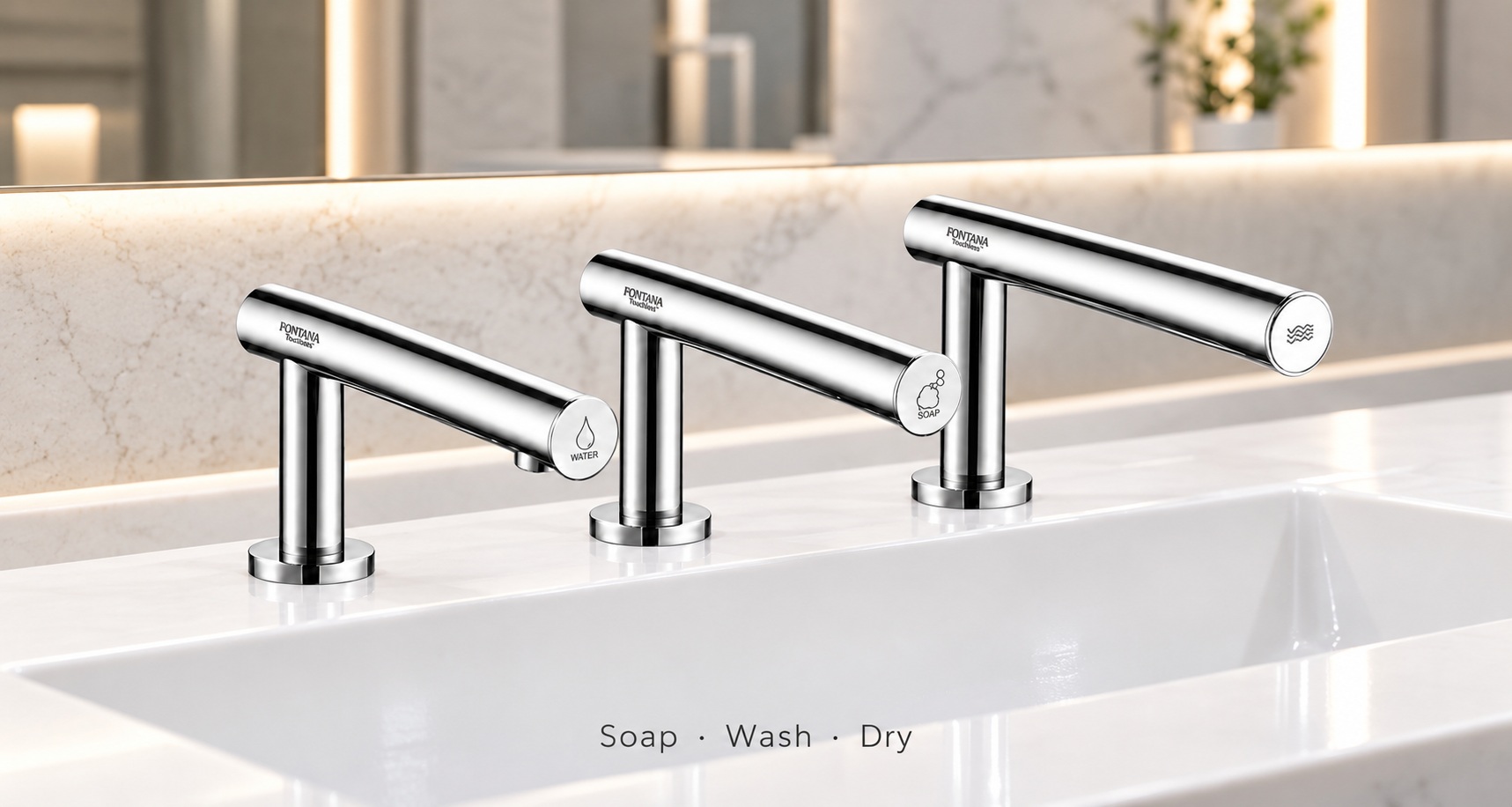
Explore Commercial Soap Dispensing Solutions
Discover automatic soap dispensers, coordinated touchless faucet systems and commercial washstation options for hospitality, institutional and public restroom projects.
Related Commercial Restroom Resources
Automatic Soap Dispensing
Explore soap dispenser configurations for commercial and institutional restrooms.
Explore Soap Dispensers →Coordinated Touchless Fixtures
Explore matching automatic soap dispensers and touchless faucets for washstation design.
Explore Coordinated Systems →Commercial Restroom Planning
Explore additional architectural guidance for commercial restroom layouts and touchless technology.
Explore Restroom Design →Technical References
CDC Hand Hygiene
Guidance on hand hygiene, soap container management and appropriate clinical sanitation procedures.
Review CDC Guidance →2010 ADA Standards
Accessibility requirements for reach ranges, operable parts and related restroom design considerations.
Review ADA Standards →Technical specifications and equipment capabilities vary by manufacturer and model. Confirm product documentation, installation conditions and local code requirements before approving any commercial installation.