Touchless Faucet Systems for Modern Restrooms: From Sensor Technology to Full Hygiene Integration
Modern restroom planning is moving beyond individual fixtures and toward complete hygiene systems. A touchless faucet now sits at the center of a broader strategy that includes sensor performance, water efficiency, accessibility, coordinated accessories, and long-term maintenance value. This publication-ready page presents that full picture in a clean, professional format.
What Defines a Modern Touchless Faucet System?
A true touchless system is more than a faucet fitted with a sensor. It is a coordinated wash-zone solution designed to improve hygiene flow, reduce contact points, simplify maintenance, and create a more consistent user experience.
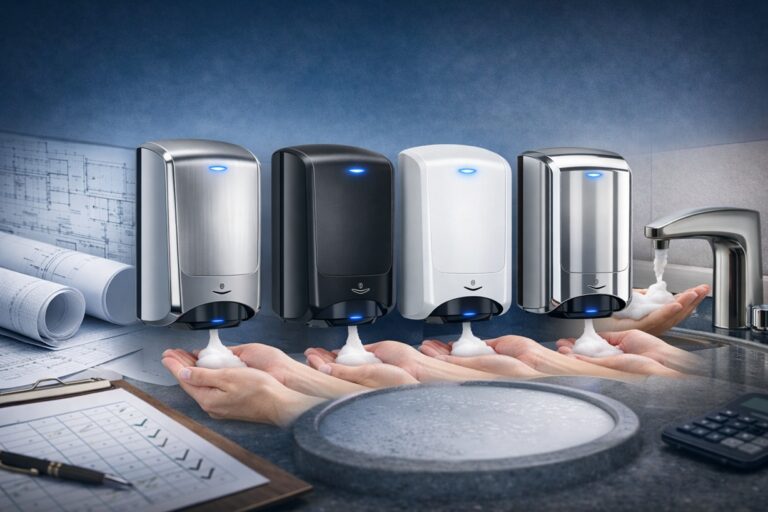
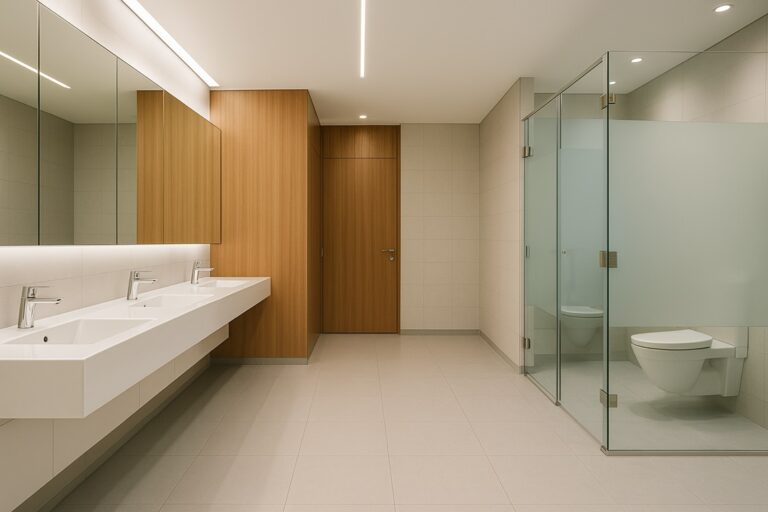
When restroom planning focuses on isolated fixtures, performance can feel fragmented. A user may encounter an automatic faucet but still have to interact awkwardly with surrounding components. A better approach treats the sink zone as an integrated experience where water delivery, soap dispensing, flushing, and drying all support one another.
This shift is especially important in commercial settings, where heavy traffic, maintenance efficiency, and hygiene expectations all influence how well the overall restroom performs over time.
Faucet
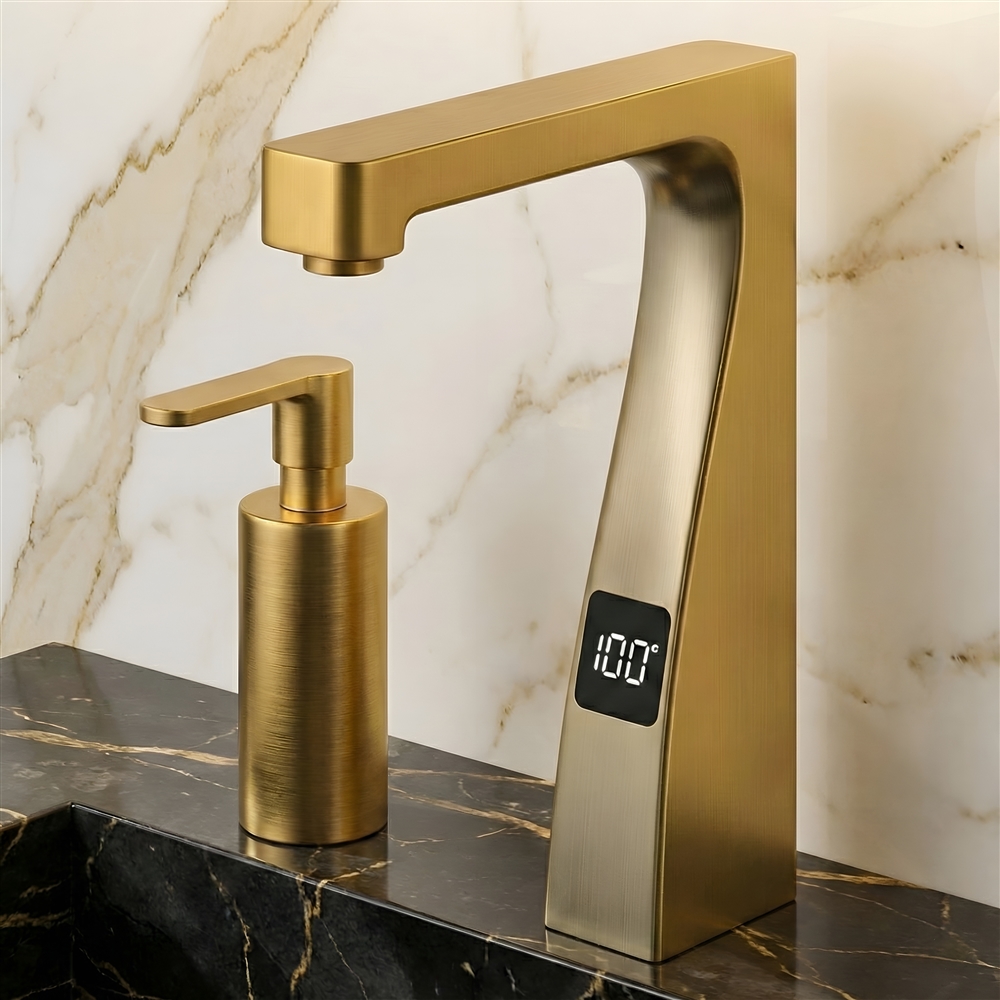
Delivers controlled water flow with automatic sensing and timed shutoff.
Soap
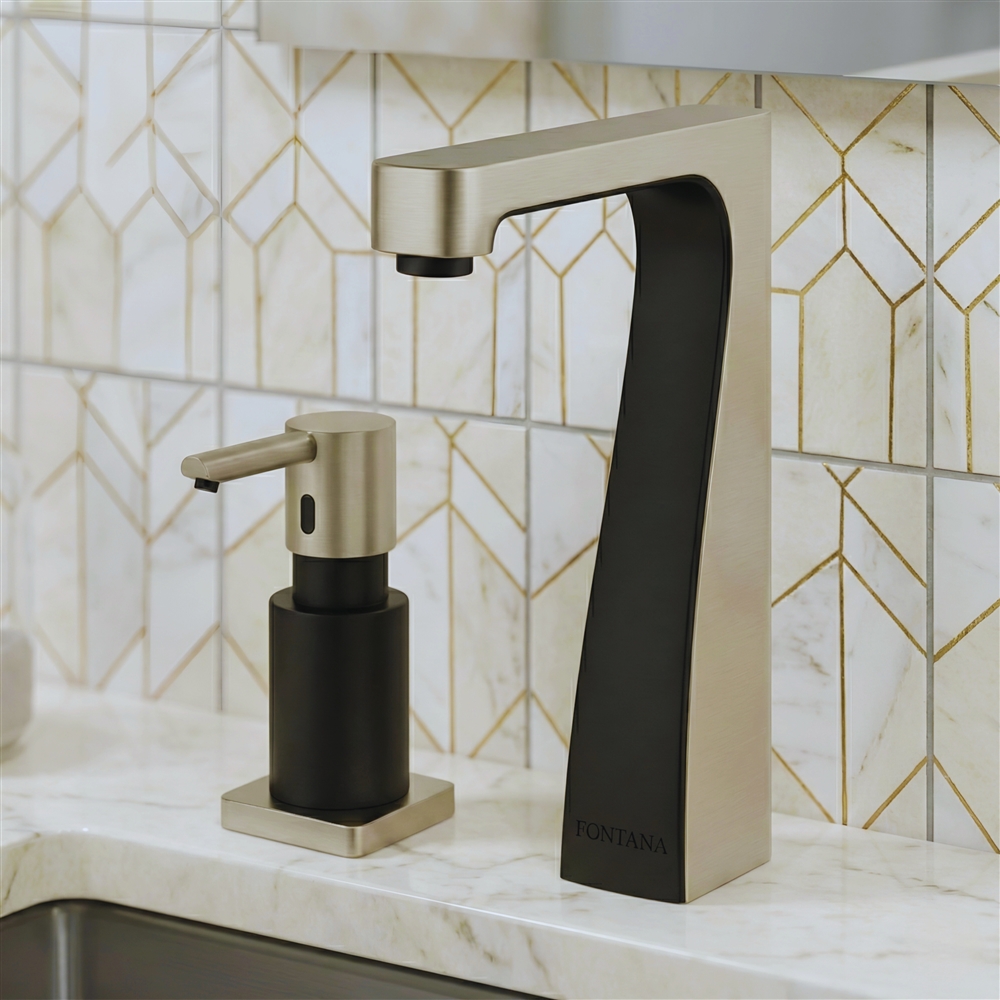
Completes the hands-free wash sequence and supports a smoother hygiene routine.
Drying & Flushing
Rounds out the contact-free restroom path and improves whole-space coordination.
Sensor Technology: The Core of Touchless Performance
Sensor quality shapes the entire user experience. If activation is delayed, inconsistent, or too sensitive, the system can feel unreliable no matter how attractive the fixture looks.
| Sensor Aspect | What to Review | Why It Matters | Commercial Effect |
|---|---|---|---|
| Infrared Sensors | Activation range, consistency, reliability in typical public use | Common, proven approach for many commercial settings | Supports broad deployment in offices, retail, and general public restrooms |
| Time-of-Flight Sensors | Precision detection, false-trigger resistance, response quality | Can offer more refined sensing in demanding environments | Useful where heavy traffic or premium experience expectations are high |
| Detection Range | How easily hands are recognized without awkward positioning | Affects ease of use and user confidence | Reduces frustration and repeat attempts at activation |
| False Trigger Control | Stability around reflections, movement, and nearby activity | Helps avoid accidental water use | Supports efficiency and cleaner sink conditions |
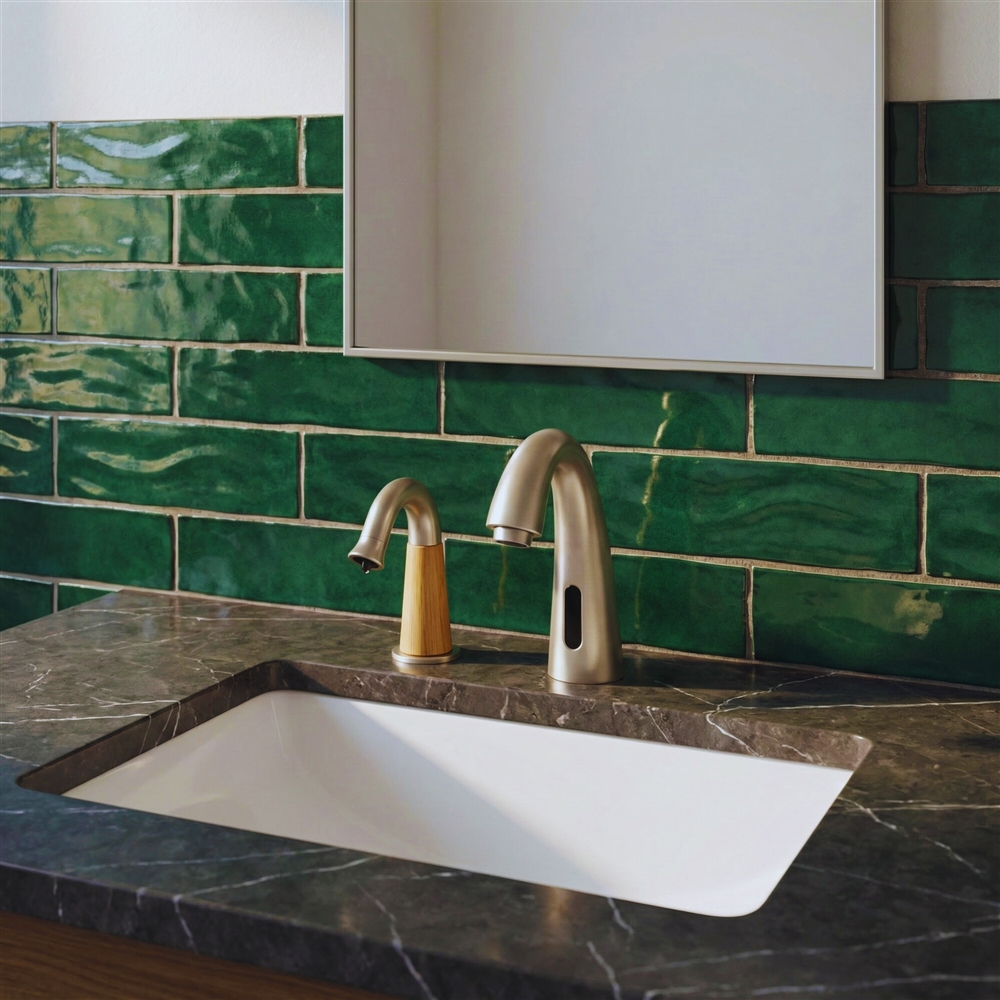
Why Sensor Discussion Should Be More Detailed
Many restroom articles mention touchless operation without explaining what makes one system more dependable than another. A stronger article should describe how sensor type, response behavior, and trigger control influence water waste, user comfort, and maintenance frequency. That extra detail helps move the page from general marketing into professional decision support.
Technical Specifications That Drive System Performance
Good restroom systems are grounded in measurable performance. The categories below help readers assess how a touchless faucet system will behave in actual commercial use.
Flow Rate & Water Efficiency
Commercial systems often target the 0.35 to 0.5 GPM range to reduce unnecessary water use without making handwashing feel inadequate. Flow control matters most when paired with automatic shutoff and stable delivery.
Power Configuration
Battery, AC, and hybrid power options each affect installation flexibility, service planning, and long-term upkeep. Larger facilities often evaluate these choices carefully to reduce future maintenance friction.
Durability & Lifecycle
High-cycle valve assemblies, durable materials, and resilient finishes help systems stand up to constant public use. These traits are especially important in transit hubs, healthcare, and education settings.
| Performance Area | Specification Focus | Why It Supports Better Results |
|---|---|---|
| Water Control | Flow rate, shutoff timing, outlet consistency | Improves efficiency while supporting user comfort |
| Power Planning | Battery, hardwired AC, or hybrid configuration | Helps align the system with maintenance and installation goals |
| Durability | Cycle life, body material, internal component quality | Strengthens long-term value in high-traffic spaces |
| Pressure Performance | Operating range and consistency under building conditions | Supports predictable use across multiple fixture locations |
ADA Compliance & Regulatory Considerations
Hands-free activation supports accessibility and hygiene goals, but a stronger article should clearly explain how touchless systems fit into broader compliance and specification requirements.
ADA Planning
Touchless use reduces the need for twisting and gripping, but reach range, sink height, and overall placement still influence whether a setup supports accessible restroom design.
Water-Saving Alignment
Low-flow operation and timed shutoff help connect the system to efficient water-use strategies and broader sustainability goals.
Specification Confidence
Clear technical documentation tied to recognized plumbing and material standards makes approval, review, and submittal processes easier.
From Faucets to Full Hygiene Integration
Integrated systems improve both visual coherence and operational logic. When the restroom is designed as a sequence rather than a collection of isolated products, the experience feels more refined and maintenance becomes easier to manage.
Why Integration Matters
- Creates a cleaner user journey from soap to rinse to drying
- Reduces visual clutter across the sink environment
- Supports more coordinated service and replacement planning
- Helps reinforce a stronger architectural design language
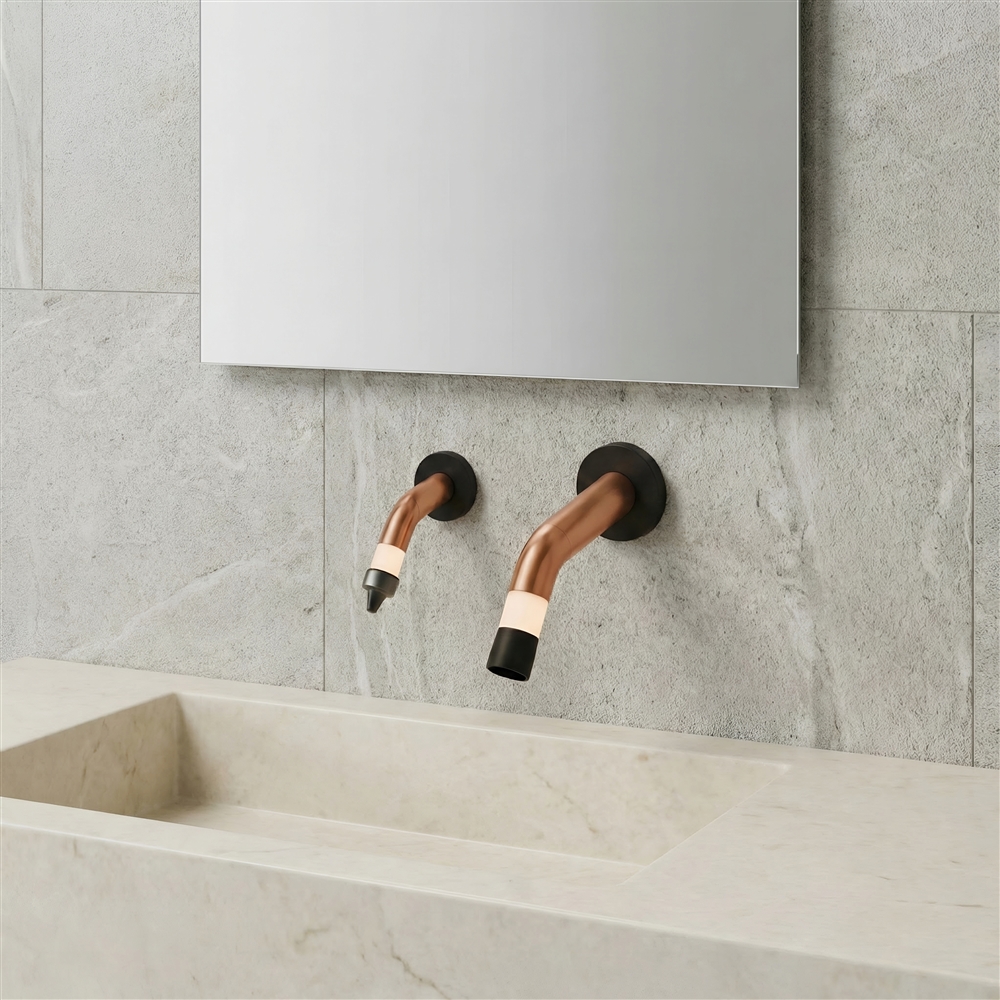
What Many Restroom Pages Leave Out
Design-focused pages often stop at the faucet itself. That misses one of the most valuable parts of modern restroom planning: coordinated system design. By addressing soap dispensers, flush valves, and drying solutions within the same article, the content becomes more relevant to architects, owners, and facility teams who are thinking about the space as a whole.
Data-Driven Benefits of Touchless Systems
General claims about hygiene and convenience are not enough. Better content connects touchless systems to measurable benefits that matter in commercial planning and operations.
| Benefit Area | System Effect | Commercial Advantage |
|---|---|---|
| Water Savings | Automatic shutoff and controlled flow reduce unnecessary run time | Supports lower utility use and better resource management |
| Maintenance Efficiency | Less dependence on manual hardware reduces wear points | Helps facility teams manage service more predictably |
| User Satisfaction | Hands-free operation can feel cleaner and more modern | Improves perception in premium and public-facing properties |
| Lifecycle Value | Durable components and coordinated systems support longer-term planning | Strengthens long-range cost control and upgrade strategies |
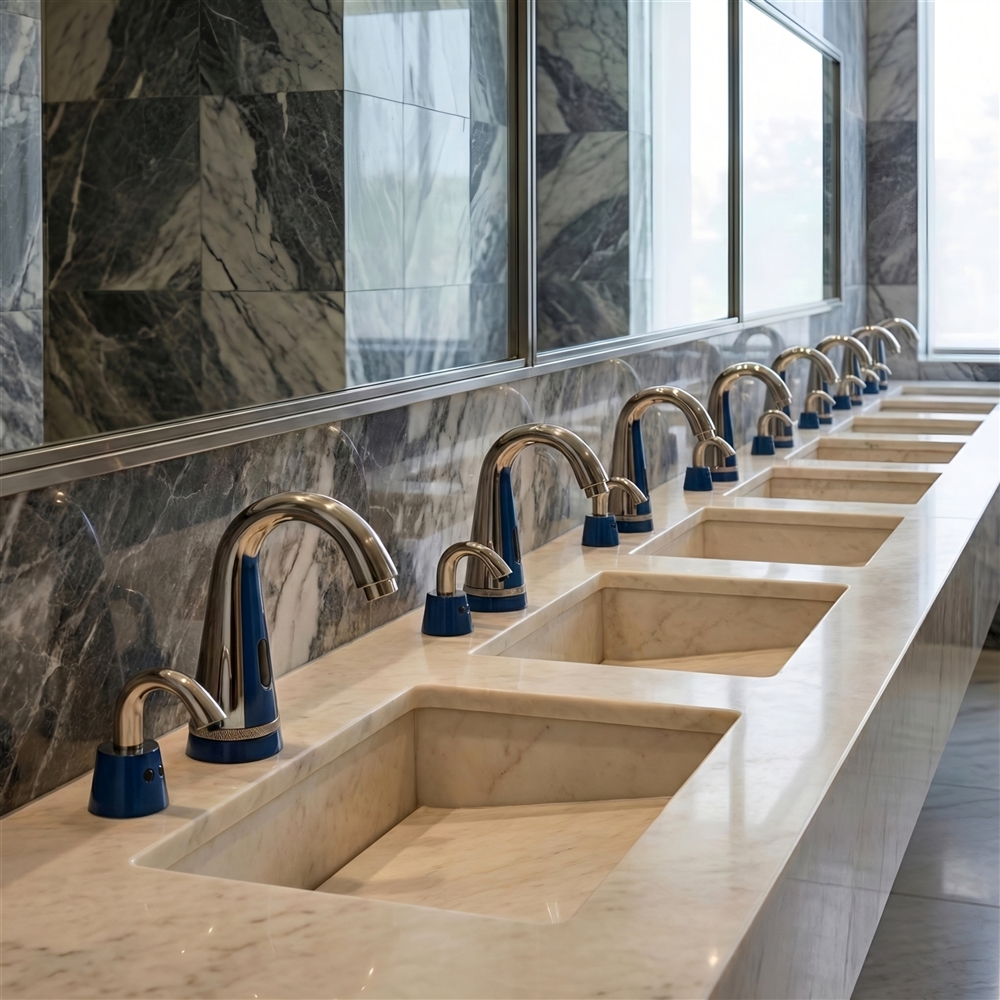
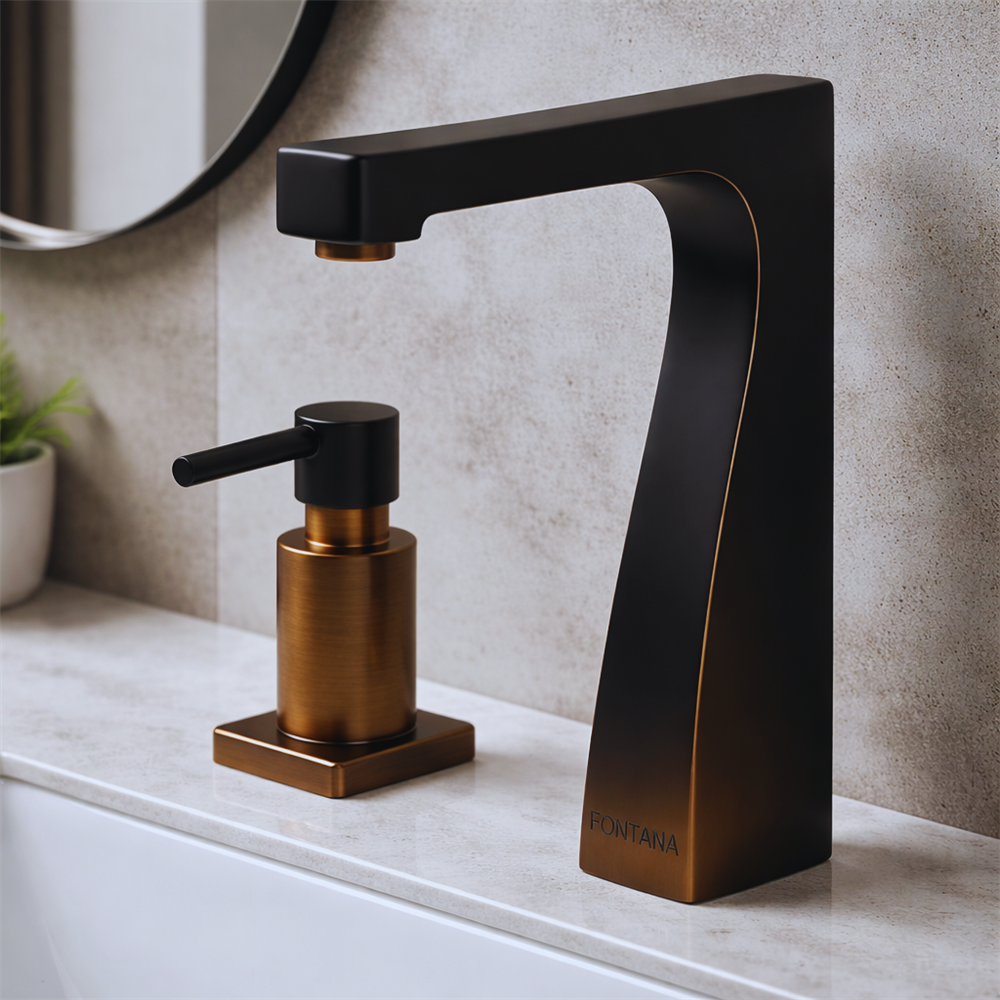
Where Touchless Faucet Systems Deliver the Most Value
Different building types prioritize different benefits. A well-structured article should show how system value changes across commercial environments.
Airports & Transit Hubs
These facilities need durability, quick activation, and reliable performance because restroom demand stays high throughout the day.
Healthcare Facilities
Touchless wash zones support a cleaner user journey and align well with environments where hygiene expectations are especially high.
Office Buildings
Integrated systems support sustainability messaging, modernize the restroom environment, and improve day-to-day user experience.
Hospitality & Retail
In design-led spaces, coordinated touchless elements help balance visual quality with dependable commercial operation.
Maintenance & Lifecycle Considerations
A system that looks advanced but is difficult to service will eventually create operational strain. Maintenance visibility is a central part of commercial specification value.
What Facility Teams Want
- Accessible electronics and control components
- Replaceable modules and consistent repair paths
- Battery-life visibility where battery models are used
- Standardization across multiple restrooms
Why It Matters
Service-friendly systems reduce downtime, simplify training, and make long-term lifecycle planning easier. For large properties, those advantages often shape owner satisfaction just as much as appearance or first cost.
Comparing Touchless Faucet Systems More Effectively
A system comparison should evaluate more than appearance. It should help readers understand where one solution may be stronger in sensing, durability, integration, or service planning.
| Comparison Area | Questions to Ask | Why It Matters |
|---|---|---|
| Sensor Quality | How dependable is activation in high-traffic conditions? | Shapes user trust and water-use control |
| System Depth | Are matching soap, flush, and drying solutions available? | Supports more complete hygiene integration |
| Durability | What is known about cycle life, materials, and finish resilience? | Improves long-term value assessment |
| Compliance Support | Are accessibility and technical documents easy to review? | Makes approvals and submittals easier to manage |
| Serviceability | How easy is the system to access, repair, and maintain? | Directly affects operational efficiency after installation |
Frequently Asked Questions
These answers help translate system-level planning into practical takeaways for commercial readers.
Are touchless faucet systems more expensive?
They often involve a higher upfront investment, but that can be balanced by better water control, more predictable service, and stronger long-term operational value.
Do integrated systems really improve hygiene?
They can, because they reduce touchpoints and create a smoother hands-free sequence across the restroom experience.
Are these systems difficult to maintain?
Not when they are specified with service access, replaceable parts, and consistent product-family planning in mind.
Why should a restroom article include system integration?
Because modern restroom performance depends on more than one fixture. Readers benefit when the article reflects how real commercial spaces are actually planned and operated.
Final Thoughts
The future of restroom design is not centered on individual fixtures alone. It depends on how sensor performance, water efficiency, accessibility, maintenance, and full hygiene integration work together. When those elements are addressed clearly, the content becomes more useful, more credible, and more aligned with modern commercial specification needs.
Hygiene Integration & Touchless Fixture Resources
Modern restroom upgrades increasingly combine sensor faucets, automatic soap dispensers, hand hygiene planning, water efficiency, and wellness-focused design. These resources help explain the broader standards and performance goals behind fully integrated touchless restroom systems.
CDC Clean Hands Guidance
A useful public-health reference for understanding why accessible handwashing, soap availability, and reduced surface contact matter in shared restroom environments.
Visit CDC Clean Hands →EPA WaterSense Faucets
Supports the role of efficient faucet selection in modern public restrooms where water conservation and reliable user performance are both important.
Explore WaterSense →WELL Building Standard
Connects touchless fixtures, hygiene access, occupant wellness, and healthier building interiors with broader commercial design priorities.
View WELL Resources →IFMA Resources
Helps facility teams evaluate touchless restroom systems through maintenance, lifecycle value, operational reliability, and user experience.
Visit IFMA →Touchless Faucet Systems: From Sensor Technology to Full Hygiene Integration
Modern restroom design is moving beyond individual fixtures toward fully integrated hygiene ecosystems where faucets, soap dispensers, and maintenance technologies work together to improve performance. The positive impact of implementing advanced touchless bathroom faucets within a coordinated hygiene strategy includes reduced touchpoints, improved water conservation, enhanced user satisfaction, and more efficient facility operations across airports, healthcare facilities, office buildings, universities, and hospitality properties. The negative reality is that disconnected restroom systems often create maintenance inefficiencies, inconsistent user experiences, higher operational costs, and reduced hygiene performance. Advanced solutions such as the touchless faucet with temperature control help support comfort and operational consistency, while facility teams can proactively improve system reliability through resources such as automatic soap dispenser troubleshooting. Industry guidance from WELL Building Standard, EPA WaterSense, FontanaShowers, Delta Faucet, and IFMA continues to influence the development of integrated restroom environments where hygiene, sustainability, occupant wellness, and long-term operational performance are managed as interconnected objectives rather than independent fixture decisions.
Professional Touchless Restroom Resource Center
Integrated Touchless Restroom Resources for Architects, Engineers & Facility Managers
Today’s commercial restrooms rely on fully integrated touchless technology that combines sensor faucets, automatic soap dispensers, flush systems, and hygienic accessories into one seamless user experience. Explore the professional resources below to compare commercial products, installation guidance, integrated systems, and technical solutions for high-traffic restroom environments.
Integrated Touchless Restroom Systems
Automatic Soap Dispenser Systems
Integrated Faucet & Soap Systems
Installation & Technical Resources
Featured Integrated Commercial Hygiene Systems
Commercial Sensor Faucet
A commercial infrared faucet engineered for water efficiency, hygiene, and dependable performance in busy public restrooms.
View Commercial Sensor Faucet →Integrated Faucet & Soap System
Coordinate automatic hand washing with integrated soap dispensing to create a seamless touch-free user experience.
Explore Integrated Systems →3-In-1 Touchless Washroom System
An all-in-one commercial solution combining sensor faucet, automatic soap dispenser, and hand dryer for maximum hygiene and efficiency.
View 3-In-1 System →Wall Mount Automatic Soap Dispenser
A durable wall-mounted commercial dispenser designed to complement integrated touchless faucet installations.
View Model FS9818 →