Battery vs. AC-Powered Commercial Automatic Soap Dispensers: Which Is Better?
Automatic soap dispensers need more than a reliable sensor and pump. Power architecture affects installation cost, maintenance, electrical coordination and long-term service. Battery systems can simplify retrofits; AC power can reduce routine battery replacement in high-use facilities. The right choice depends on the building.
Do not select power after the countertop and millwork are complete. Power supply, access, reservoir placement and service clearance should be coordinated during restroom design.
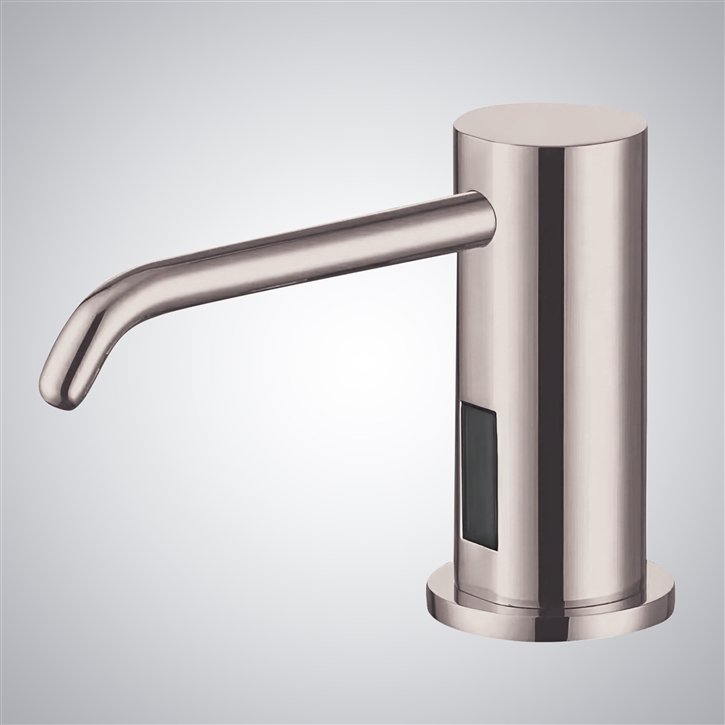
FontanaShowers® FS9854-BR
Best for: hospitality, airports, offices and specification-driven commercial projects.
Fontana specifies a 6V system with battery or AC-adapter operation, allowing one dispenser platform to suit both retrofit and new-construction conditions. The 1000 mL deck-mounted system also includes BIM, specification and installation resources for professional coordination.
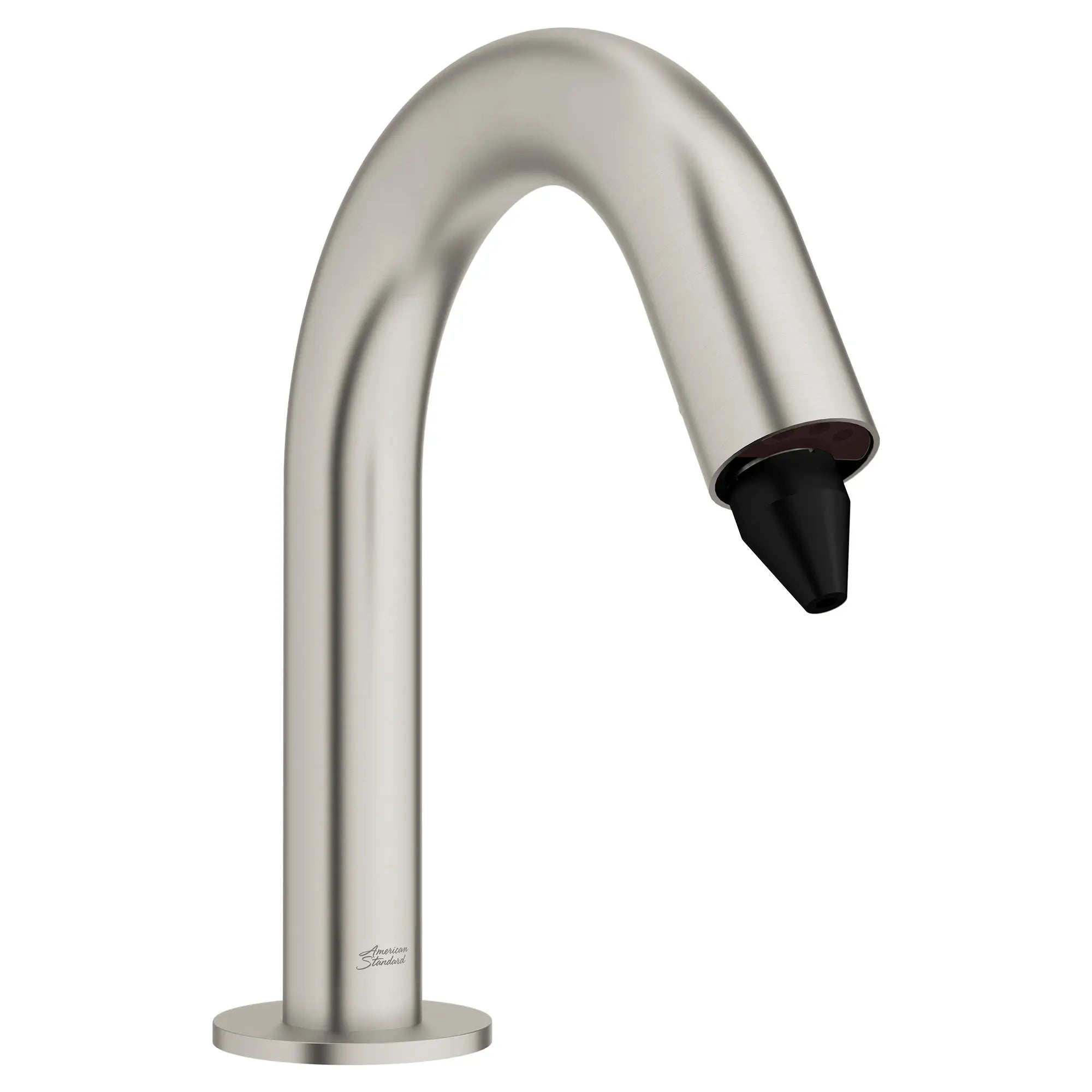
American Standard Selectronic®
Best for: high-use offices, healthcare, education and institutional restrooms.
The Selectronic can operate from four D-cell alkaline batteries or American Standard plug-in/hardwired AC power kits. Its 1.8 L quick-release reservoir and four adjustable foam-volume settings make power selection only one part of a broader maintenance strategy.
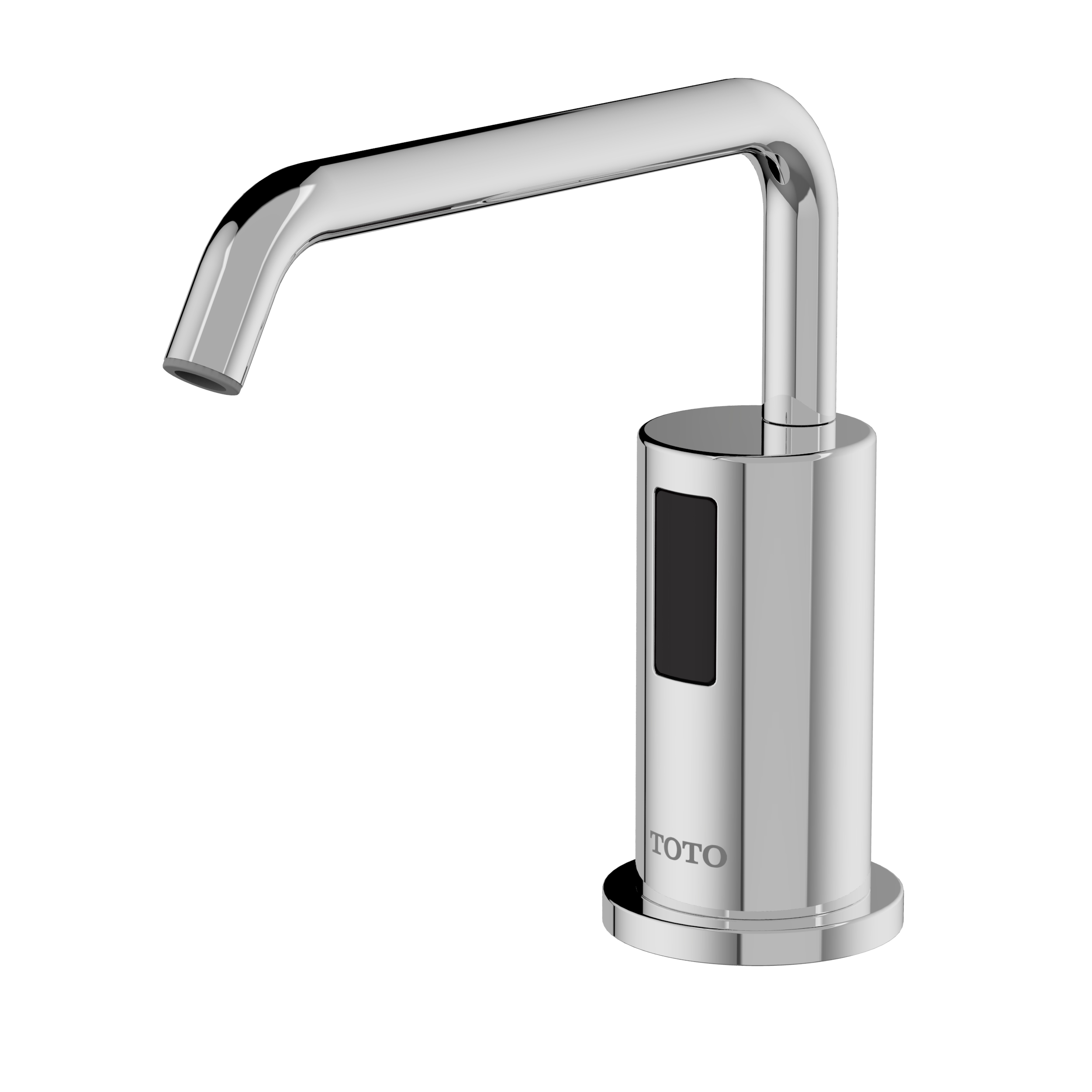
TOTO DSE101KE
Best for: contemporary commercial interiors requiring compact sensor hardware.
TOTO offers its automatic soap dispenser in battery-powered and power-plug versions. The dispenser automatically delivers a measured amount per handwashing cycle and is supported by factsheets, 2D/3D CAD information and installation documentation.
Battery vs. AC: Quick Comparison
| Factor | Battery | AC / Hardwired |
|---|---|---|
| Retrofit | Usually easier | Electrical work may be required |
| Routine Service | Battery replacement required | No routine battery replacement |
| High Traffic | Depends on battery life and usage | Strong choice where continuous power is available |
| Installation Flexibility | High | Best planned during construction |
Technical Advice for Architects, MEP Engineers & Facility Managers
Do not leave electrical strategy to installation day.
Power supplies, batteries, pumps and reservoirs need service clearance.
Coordinate restroom electrical work with applicable wet-location and grounding requirements.
High traffic can make repeated battery replacement a meaningful labor issue.
Never substitute an adapter without confirming manufacturer voltage and power requirements.
Dispenser operable areas must remain within applicable accessible reach requirements.
Which Power System Should You Specify?
Battery power is particularly useful for retrofits, remodels and locations where adding electrical infrastructure is impractical. AC or hardwired power becomes more attractive in new construction and heavily used facilities where reducing recurring battery service is valuable.
For large commercial projects, dual-power product families offer the greatest specification flexibility. The decision should be based on traffic, electrical access, service labor and lifecycle requirements rather than the dispenser purchase price alone.
Independent Editorial Methodology:
SoapDispensing.com compares commercial dispensing systems using manufacturer documentation and independent technical references. Electrical installation must comply with applicable codes and project requirements. Final power, accessibility and installation decisions should be reviewed by the appropriate qualified design and construction professionals.