
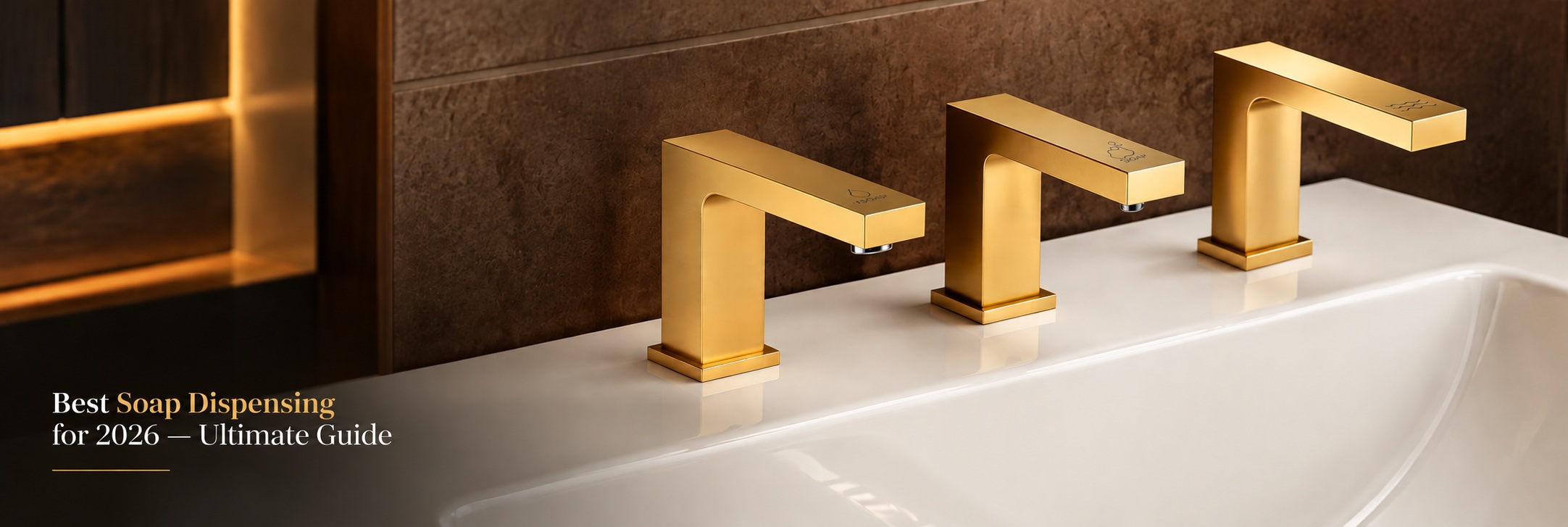
Best Soap Dispensing for 2026 — Ultimate Guide
Discover how to select the best automatic, touchless, liquid, foam, wall-mounted and deck-mounted soap dispensing systems for modern restrooms, luxury hospitality properties and high-traffic commercial facilities.
Choosing the Right Soap Dispensing System in 2026
The best soap dispensing system is not necessarily the one with the most features. It is the system that supports reliable handwashing, provides consistent dispensing, fits its architectural surroundings and remains practical to maintain throughout its service life.
In commercial restrooms, soap dispensing affects more than visual appearance. Architects, designers, facility managers and contractors must coordinate dispenser placement with sinks, faucets, countertop surfaces, accessibility requirements, soap storage and maintenance access.
Automatic soap dispensers are especially useful where hands-free operation, controlled dosing and a coordinated washstation experience are important. Manual dispensers can remain practical in smaller facilities where simplicity and lower initial cost are priorities.
For larger projects, modern dispensing solutions may combine sensor activation, refillable reservoirs, adjustable dosing, concealed components and centralized soap supply.
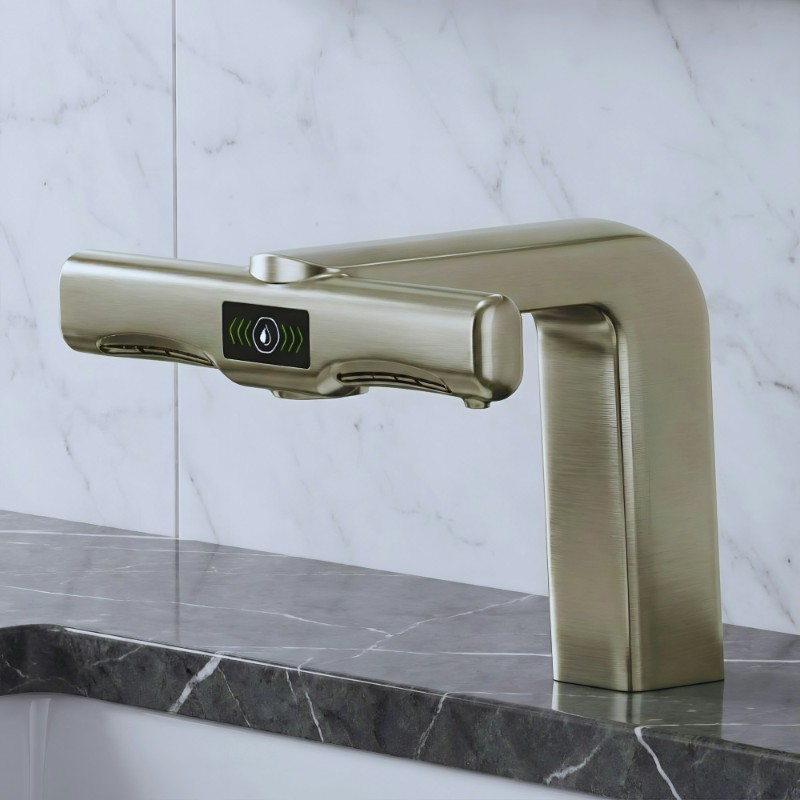
Selection principle: Evaluate the dispenser, soap formulation, sensing method, power supply, reservoir, mounting arrangement and maintenance procedure as one complete system.
Read More — Why Soap Dispensing Matters
Soap dispensers are essential components of effective handwashing facilities. A well-designed dispenser should supply an appropriate amount of compatible soap while remaining easy to identify, access, activate and replenish.
The Centers for Disease Control and Prevention recommends washing hands with soap and clean running water and scrubbing for at least 20 seconds. A touchless dispenser can remove the need to press a shared soap pump, but automatic activation does not replace proper handwashing technique.
In hospitality and public environments, dispenser performance also influences perceptions of restroom quality. A malfunctioning sensor, empty reservoir or dripping outlet can compromise the user experience even when the surrounding architecture is carefully designed.
Reliable soap delivery, accessible placement and a defined service strategy should therefore be considered at the beginning of washstation planning rather than after the sinks and faucets have already been specified.
Types of Soap Dispensers for Modern Restrooms
Soap dispensing systems differ in activation, mounting method, soap compatibility, capacity and service requirements. Understanding these distinctions helps identify the right solution for each building environment.

Automatic Touchless Soap Dispensers
Sensor-operated dispensers release soap when a hand enters a defined activation zone. They reduce the need for contact with dispenser controls and can deliver repeatable doses when correctly adjusted.
Learn More
Automatic systems are suitable for airports, offices, shopping centers, hotels and other environments with frequent restroom use. Selection should address sensor stability, soap viscosity, power continuity, refill accessibility and replacement parts.
Some models support adjustable dosing or alternative power configurations. These capabilities must be confirmed against the selected manufacturer’s technical documentation.
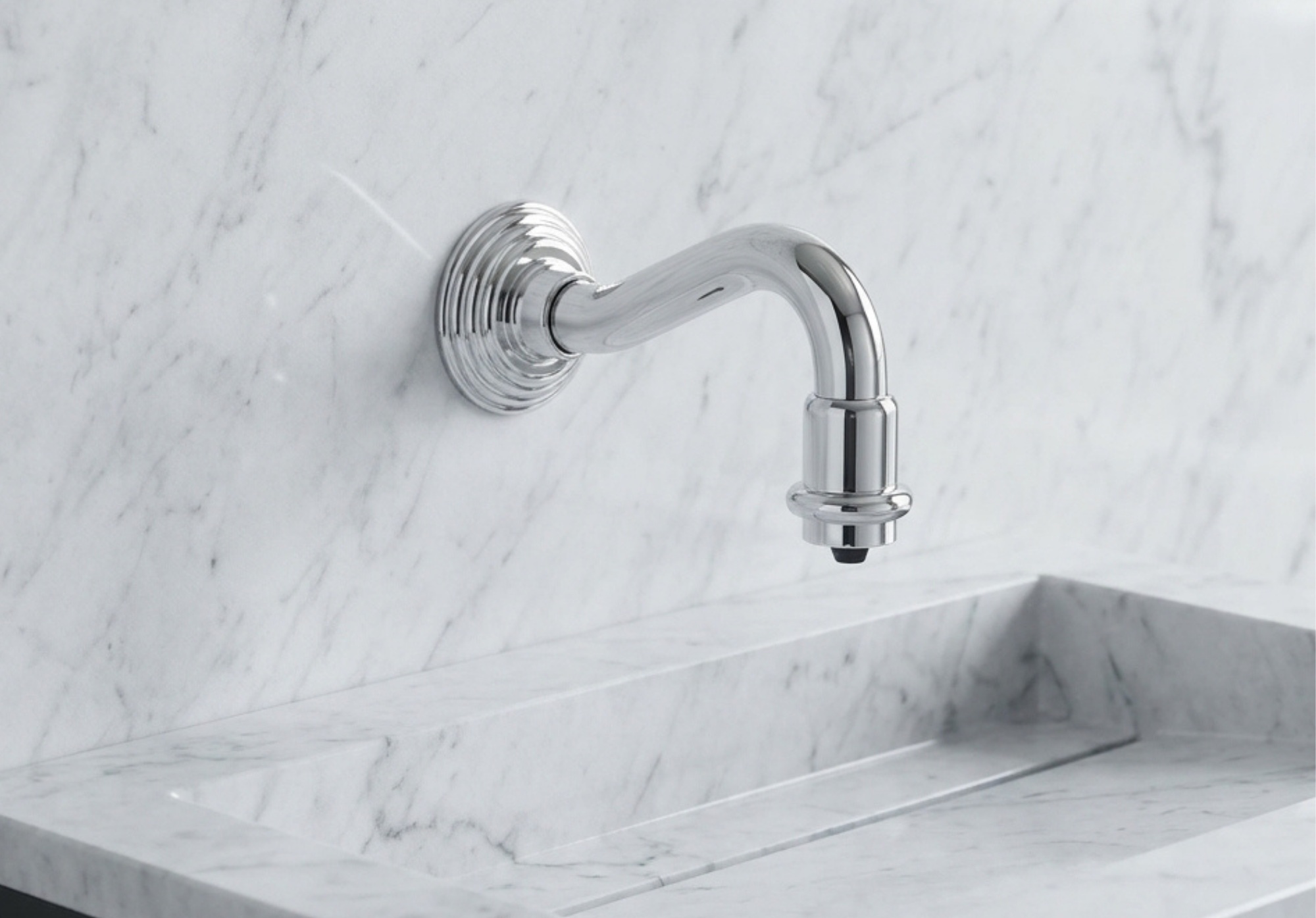
Wall-Mounted Soap Dispensers
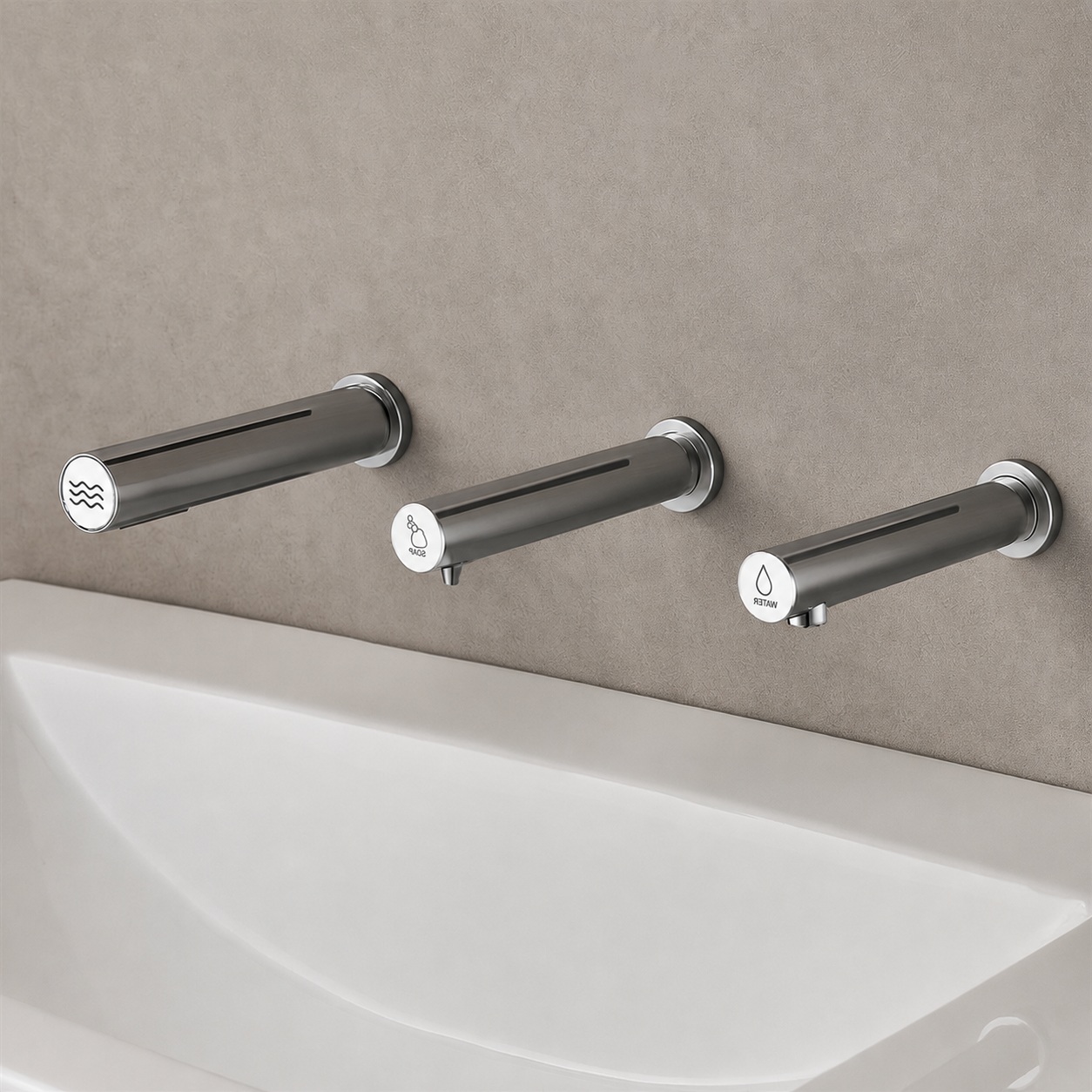
Wall-mounted dispensers keep dispensing hardware away from the countertop and can work well where available deck space is limited. They may be specified in surface-mounted or concealed configurations.
View More
Installation requires coordination with the finished wall, backing supports, basin position, detection zone and access for servicing. The outlet should direct soap into the intended handwashing area without encouraging spills onto the floor.
For concealed systems, maintenance panels and component clearances should be coordinated before wall construction.
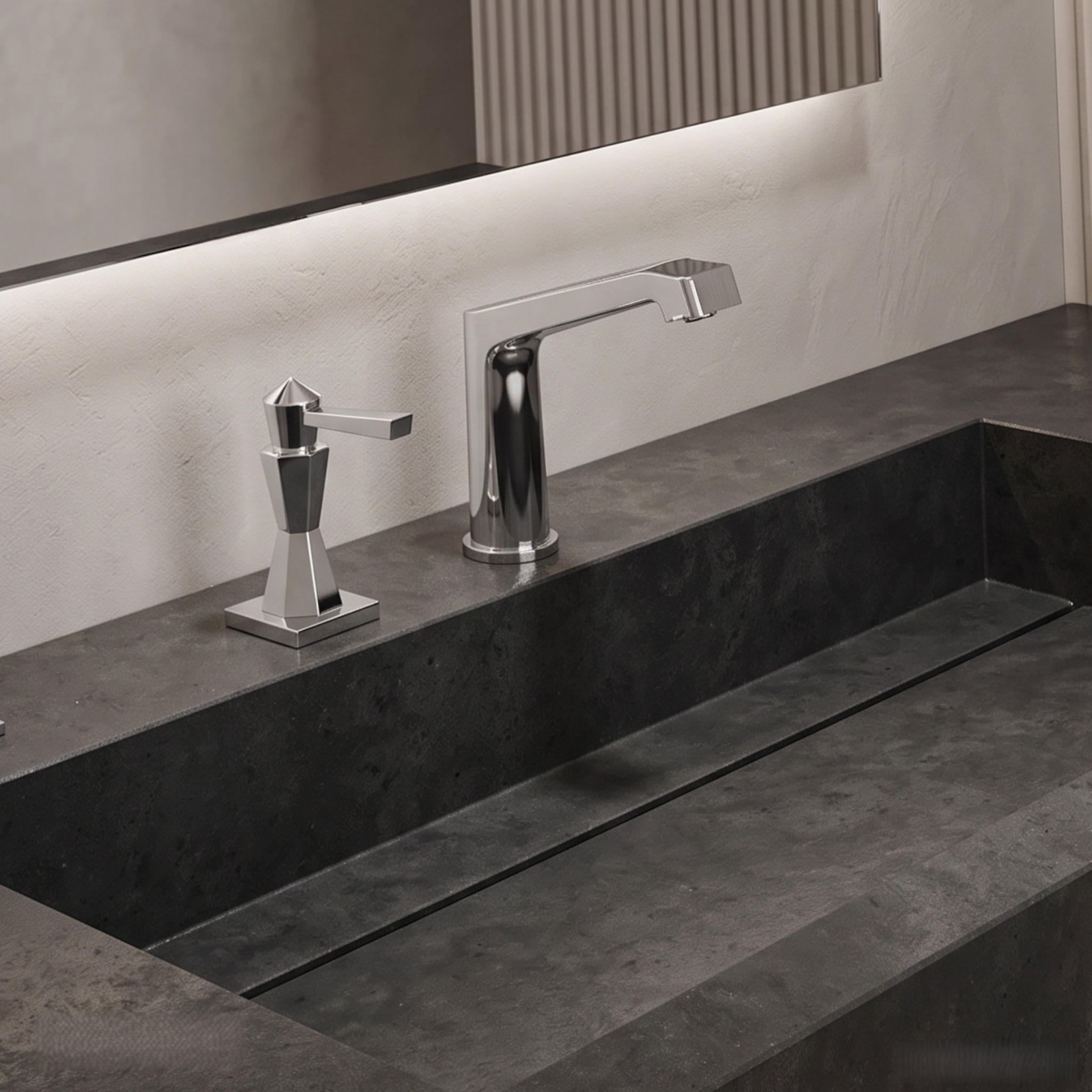
Deck-Mounted Soap Dispensers
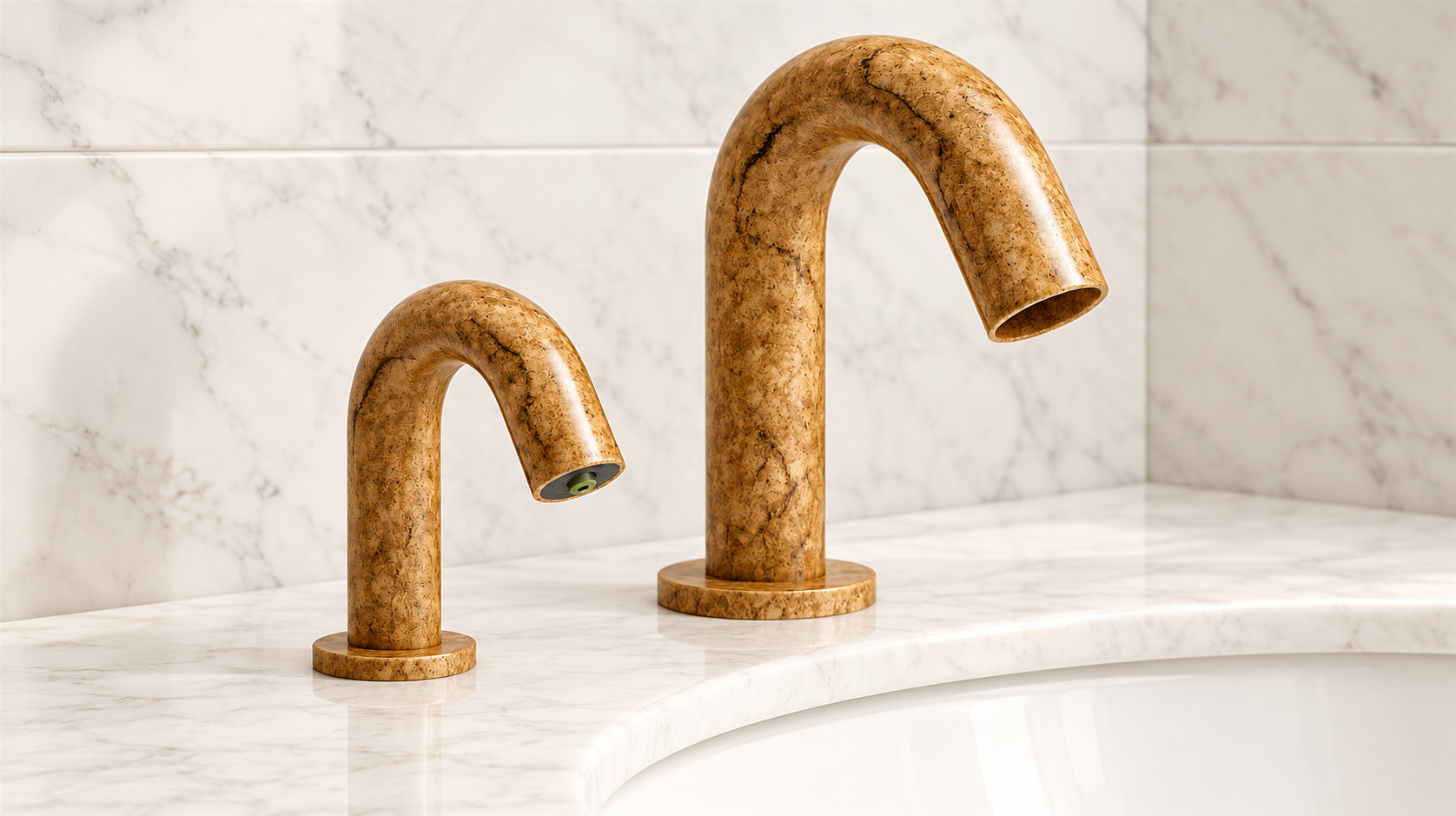
Deck-mounted dispensers create a clean, integrated countertop appearance. A dispensing spout is installed through the counter, with soap storage and operating equipment typically positioned below.
Learn More
Designers should verify countertop penetrations, counter thickness, spout projection, hand detection position and usable cabinet space.
Below-counter access is particularly important because reservoir removal, tubing inspection and pump servicing must be possible after installation.
Foam Soap Dispensers
Foam dispensing systems produce aerated soap using a formulation and pump assembly designed for that purpose. They can provide a distinctive user experience and controlled soap delivery.
Read More
Foam and liquid systems are not necessarily interchangeable. Pump mechanisms, tubing, reservoirs and formulation requirements may differ significantly.
For commercial procurement, confirm recommended soap concentration, compatible formulations, pump maintenance requirements and availability of the selected refill.
Soap Dispenser Configuration Comparison
| System | Main Advantage | Design Consideration | Suitable Applications |
|---|---|---|---|
| Automatic touchless | Hands-free dispensing and controlled activation | Power, sensor range and soap compatibility | Offices, hotels, malls and airports |
| Manual | Simple operation and minimal electronics | Contact operation, mechanical durability and refilling | Small facilities and lower-traffic areas |
| Wall-mounted | Preserves countertop space | Wall support, reach range and service access | Public restrooms and compact washstations |
| Deck-mounted | Integrated architectural appearance | Counter penetrations and undercounter clearance | Hospitality and contemporary commercial spaces |
| Centralized bulk supply | Shared soap storage for multiple stations | Tubing, pumping, refill hygiene and system isolation | Stadiums, airports and large restroom banks |
Automatic Soap Dispenser Technology: IR and Time-of-Flight
The sensing method influences how an automatic dispenser identifies a user’s hand, responds to movement and manages unintended activation.
Infrared Detection
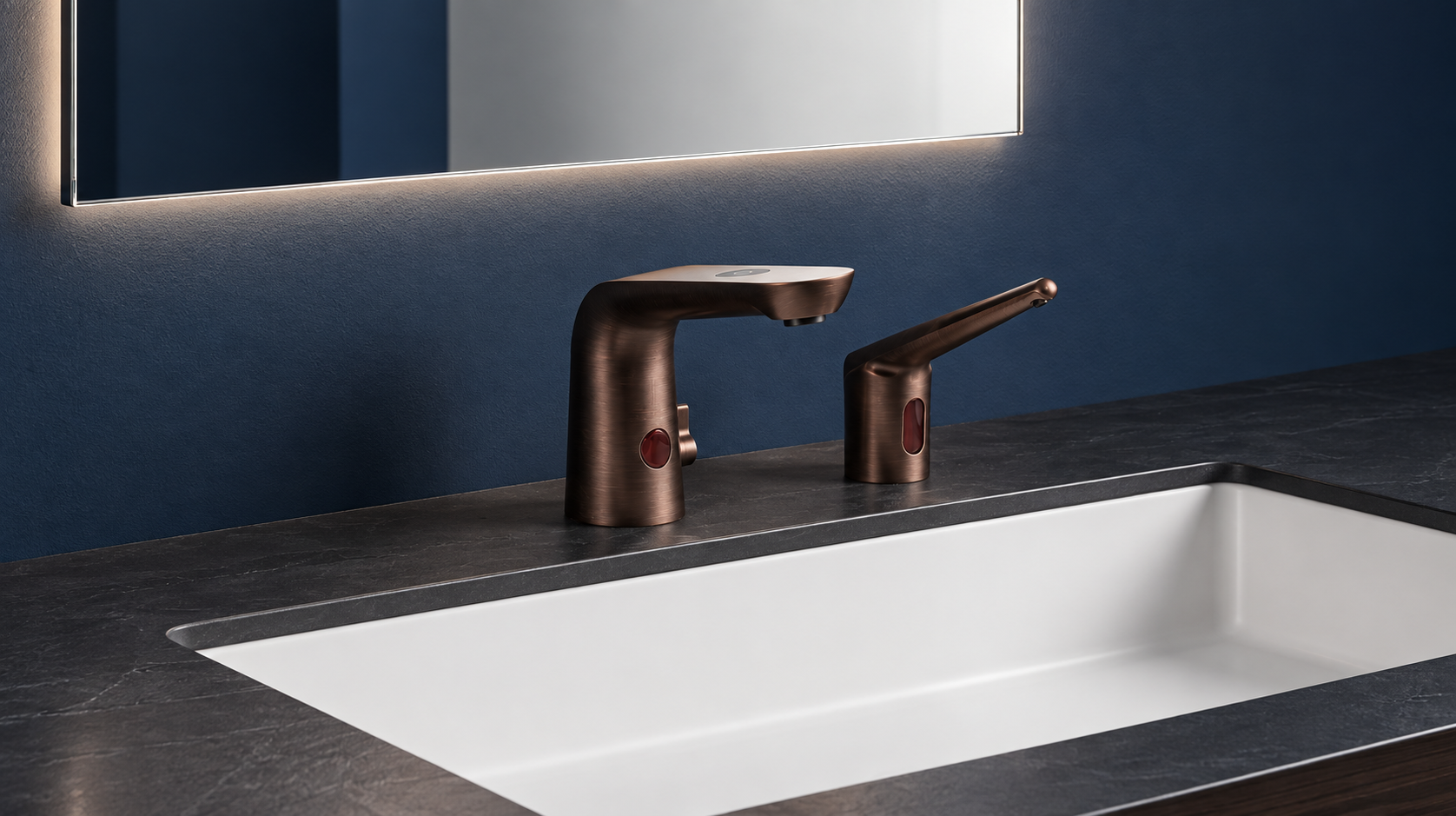
Conventional infrared systems may use reflected infrared light to identify a hand within the sensing area. Detection performance depends on the optical design, calibration and surrounding installation conditions.
Read More
Reflective materials, changing ambient light and the distance between the outlet and user can affect some sensor designs. Proper positioning and commissioning help maintain consistent operation.
An infrared label alone does not establish a particular performance level. Actual response characteristics should be evaluated through product documentation and installation testing.
Time-of-Flight Detection
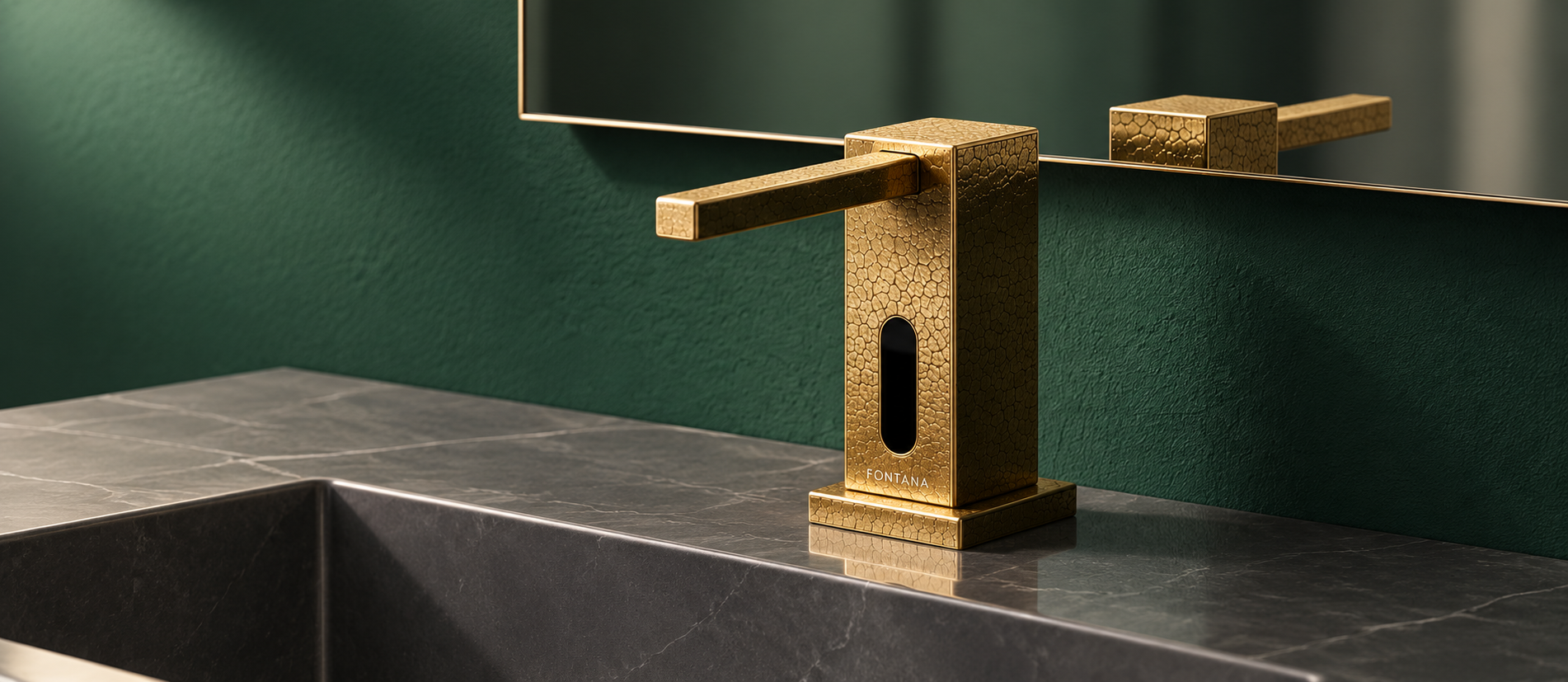
Time-of-Flight sensing uses a distance-measurement principle to identify objects within a defined operating zone. In appropriately designed applications, this can support more deliberate activation boundaries.
Learn More
ToF-based systems may use measured distance to distinguish a hand in the intended activation region from nearby fixtures. Performance still depends on the complete sensor design, optical conditions and installed geometry.
FontanaShowers identifies infrared and Time-of-Flight technologies within its commercial dispensing range. The selected product data sheet should be consulted to confirm which technology a specific dispenser uses.
Key Technical Characteristics to Evaluate
| Parameter | Why It Matters | Specification Guidance |
|---|---|---|
| Detection zone | Defines where a hand should activate dispensing | Check sensor position relative to basin and counter |
| Dispense volume | Affects soap consumption and user experience | Confirm dose range and adjustment options |
| Response behavior | Influences ease of use and accidental activation | Review activation and reset behavior |
| Power requirements | Determines electrical coordination and servicing | Verify voltage, power supply and battery options |
| Soap compatibility | Influences pump reliability and clogging risk | Confirm approved liquid or foam formulations |
| Ingress protection | Relates to electrical enclosure protection | Confirm the declared IP rating for each component |
Technical note: Sensor technology, reservoir volume, dispensing accuracy and IP rating are model-specific. Avoid applying a single specification to an entire manufacturer collection.
Liquid Soap vs. Foam Soap: Which Is Better?
Both liquid and foam soap dispensing can support effective handwashing when suitable formulations, appropriate doses and proper handwashing practices are used. Selection depends on compatible equipment, consumption patterns, user preferences and facility maintenance requirements.
Liquid Soap Systems
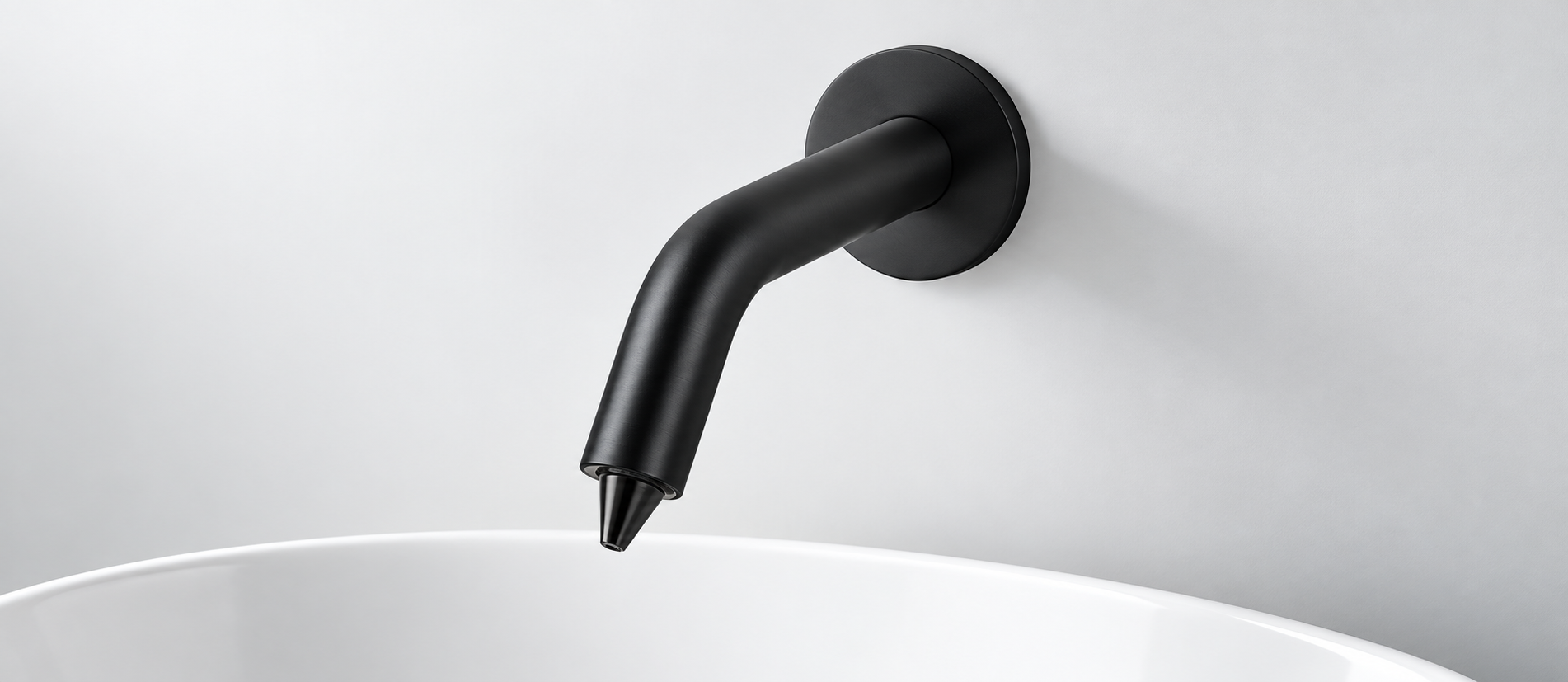
Liquid soap is widely used across commercial, hospitality and institutional facilities. Depending on the dispenser, it can support refillable or sealed-cartridge arrangements.
Foam Soap Systems
Foam systems dispense aerated soap through compatible pumping equipment. They can offer a lighter texture and allow facilities to evaluate different measured-use patterns.
View More — Selection Considerations
Soap consumption should not be assessed solely by the volume of liquid dispensed. Soap concentration, formulation, dose, number of activations and manufacturer guidance all influence performance.
Facility managers should compare actual consumption, refill labor, product availability and total cost using compatible soap and dispensing hardware.
Changing between foam and liquid soap without checking pump compatibility can cause dispensing failure or undesirable output.
Best Soap Dispensing Solutions by Commercial Application
The most suitable soap dispensing configuration depends on restroom traffic, design objectives, operational procedures and the level of service support available within the building.
Hotels & Hospitality
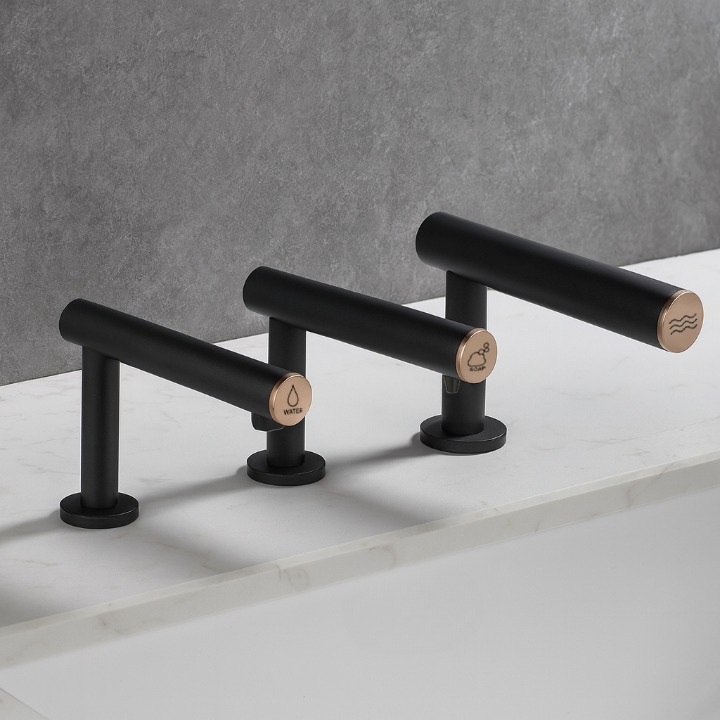
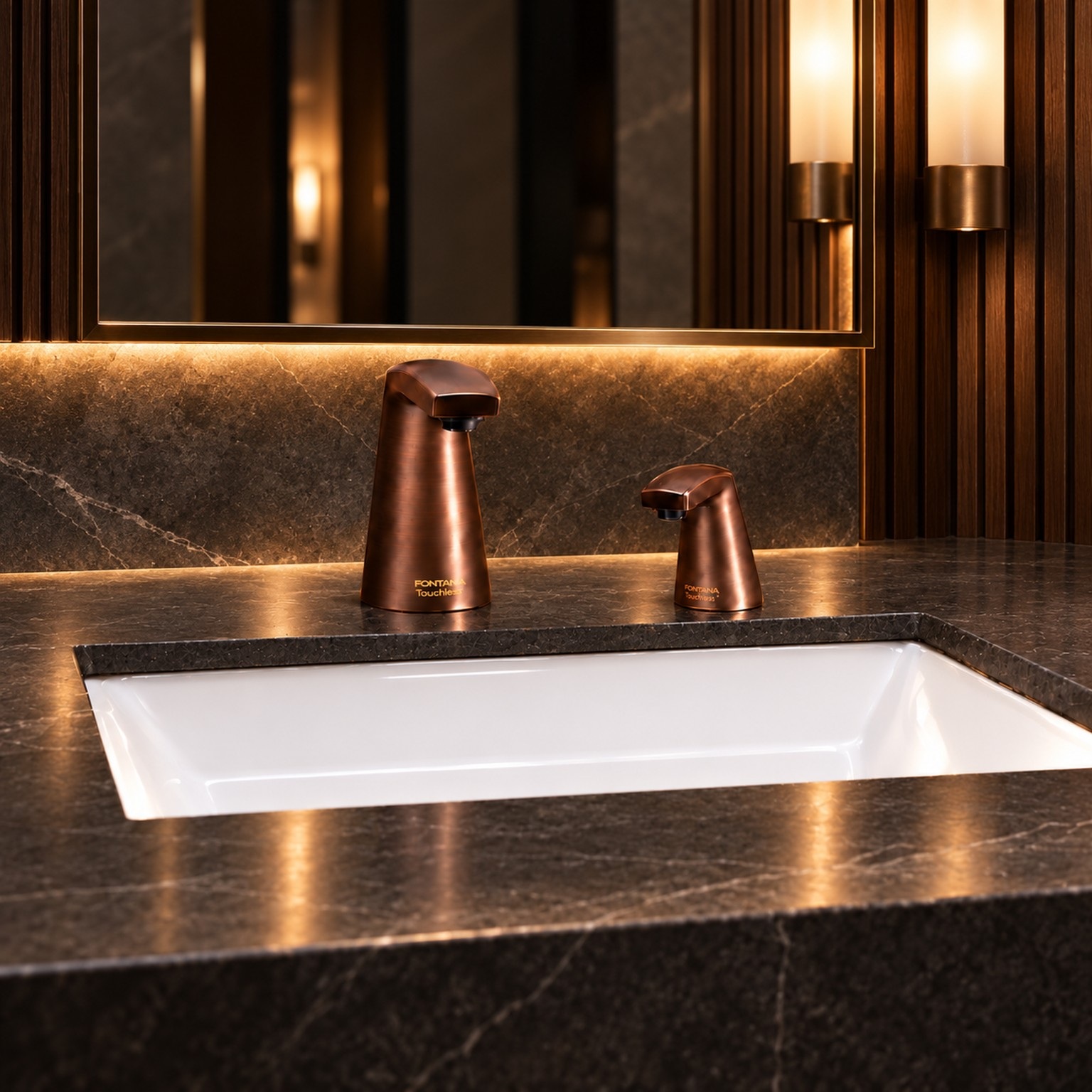
Hotels benefit from dispensing systems that coordinate visually with faucets, countertops, mirrors and bathroom finishes. Deck-mounted designs can support an integrated architectural appearance.
Read More
Lobby restrooms, conference facilities, restaurants and resort common areas often experience fluctuating demand. Refill accessibility and consistent dispenser operation are important alongside aesthetic quality.
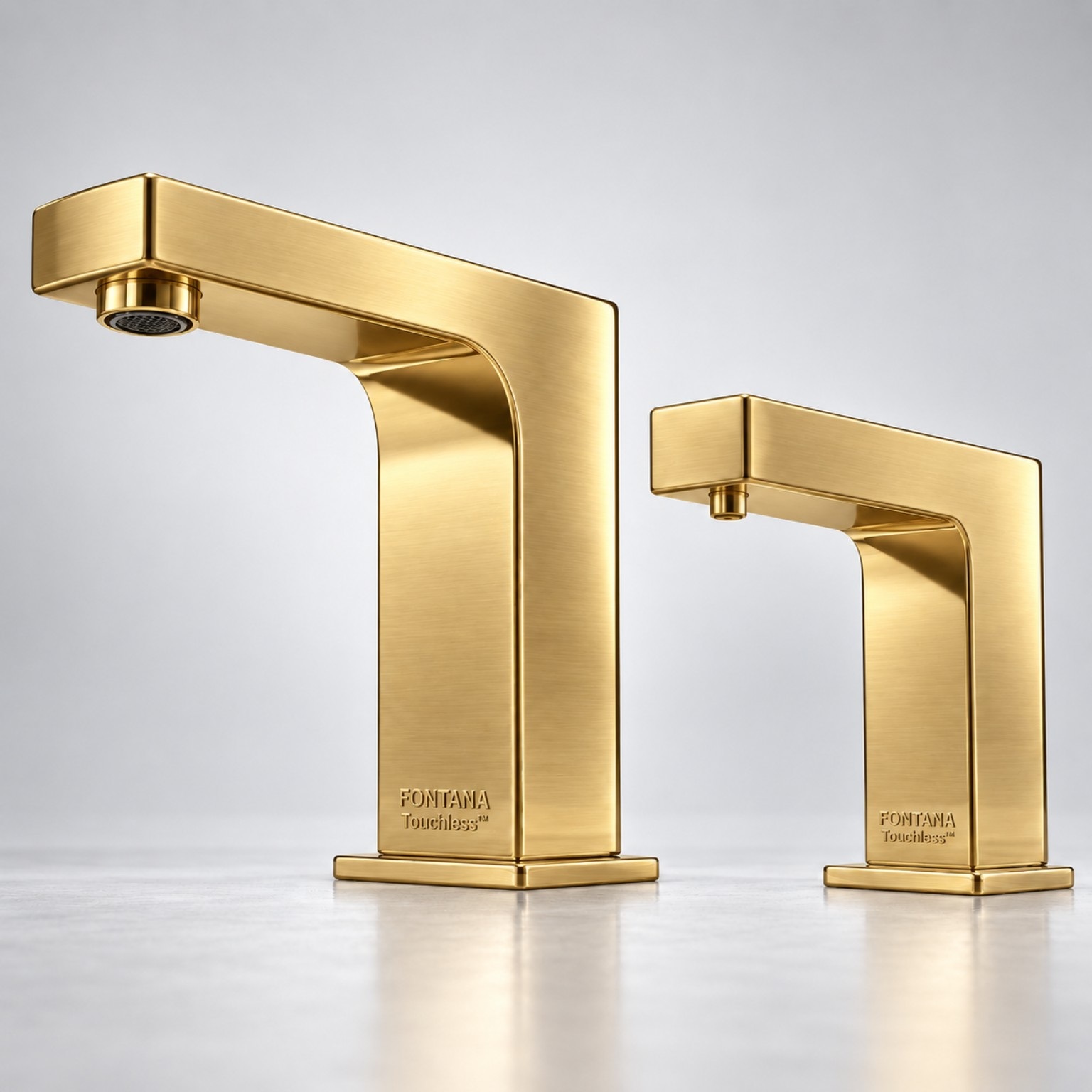
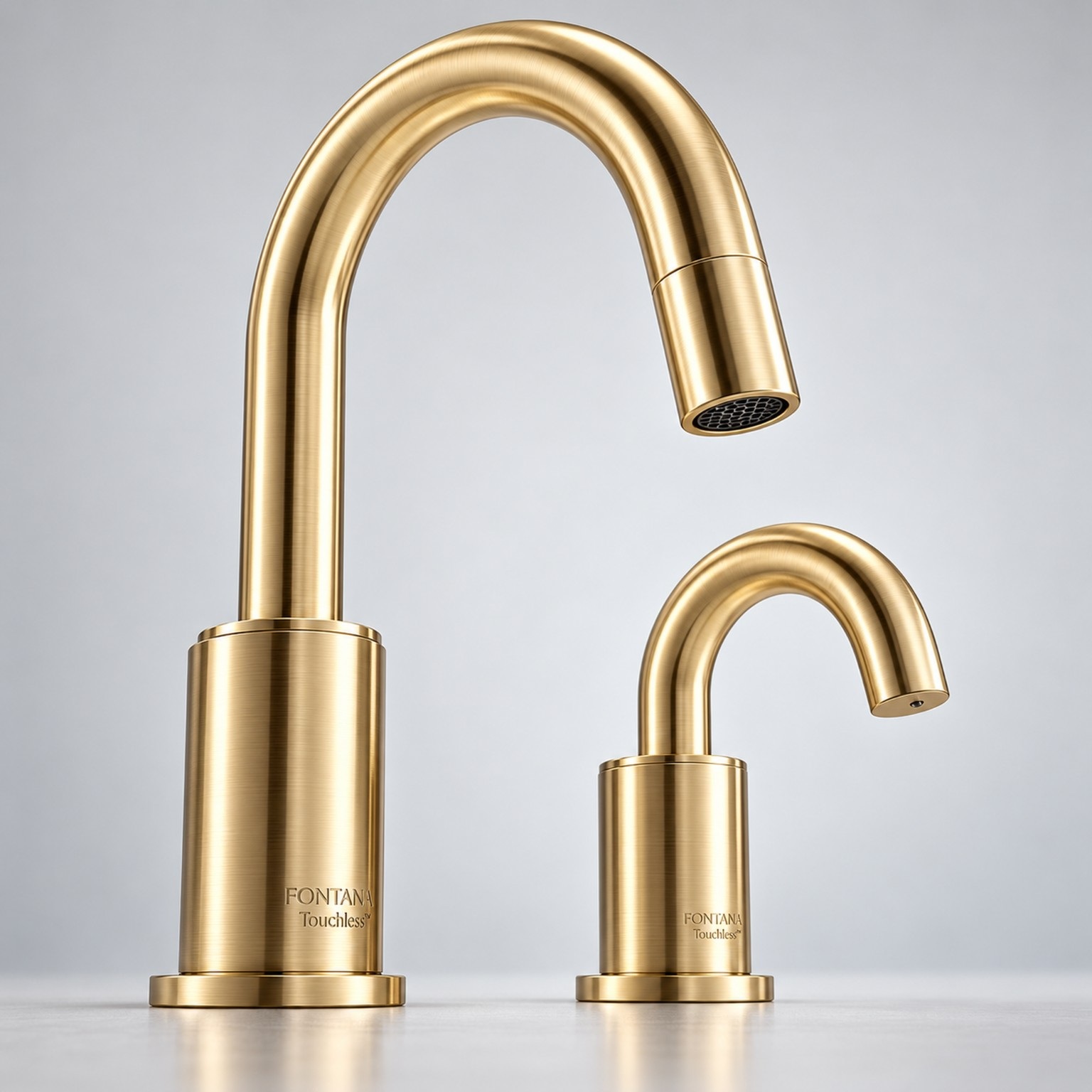
Brushed nickel, chrome, matte black and brushed gold finishes may be selected to coordinate with the surrounding washstation design.
Airports & Transportation Facilities
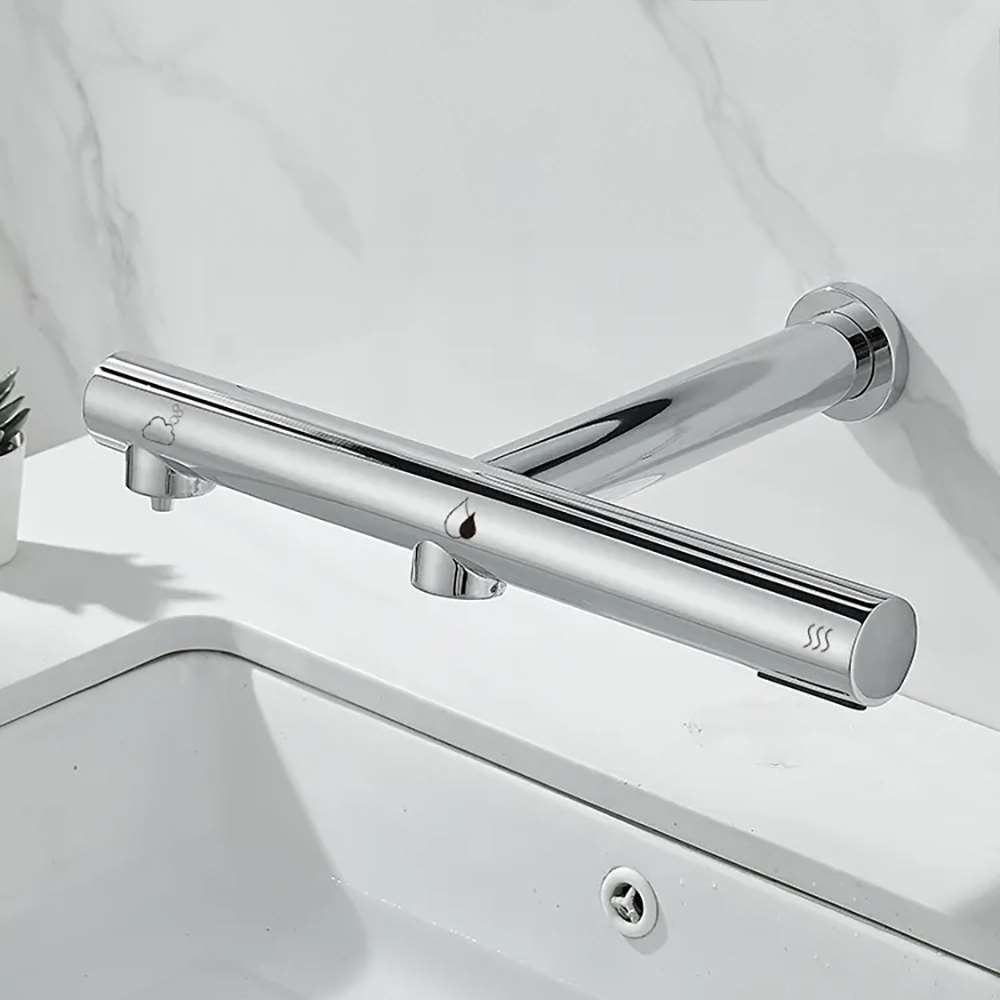
Transportation restrooms require systems capable of frequent use, predictable servicing and efficient replacement of consumable supplies.
Learn More
Facility planners should evaluate centralized soap distribution, maintenance access, pump replacement, reservoir capacity and sensor reliability.
Common-area washstations should be designed so that maintenance work does not unnecessarily interrupt adjacent sinks.
Shopping Malls & Retail Centers
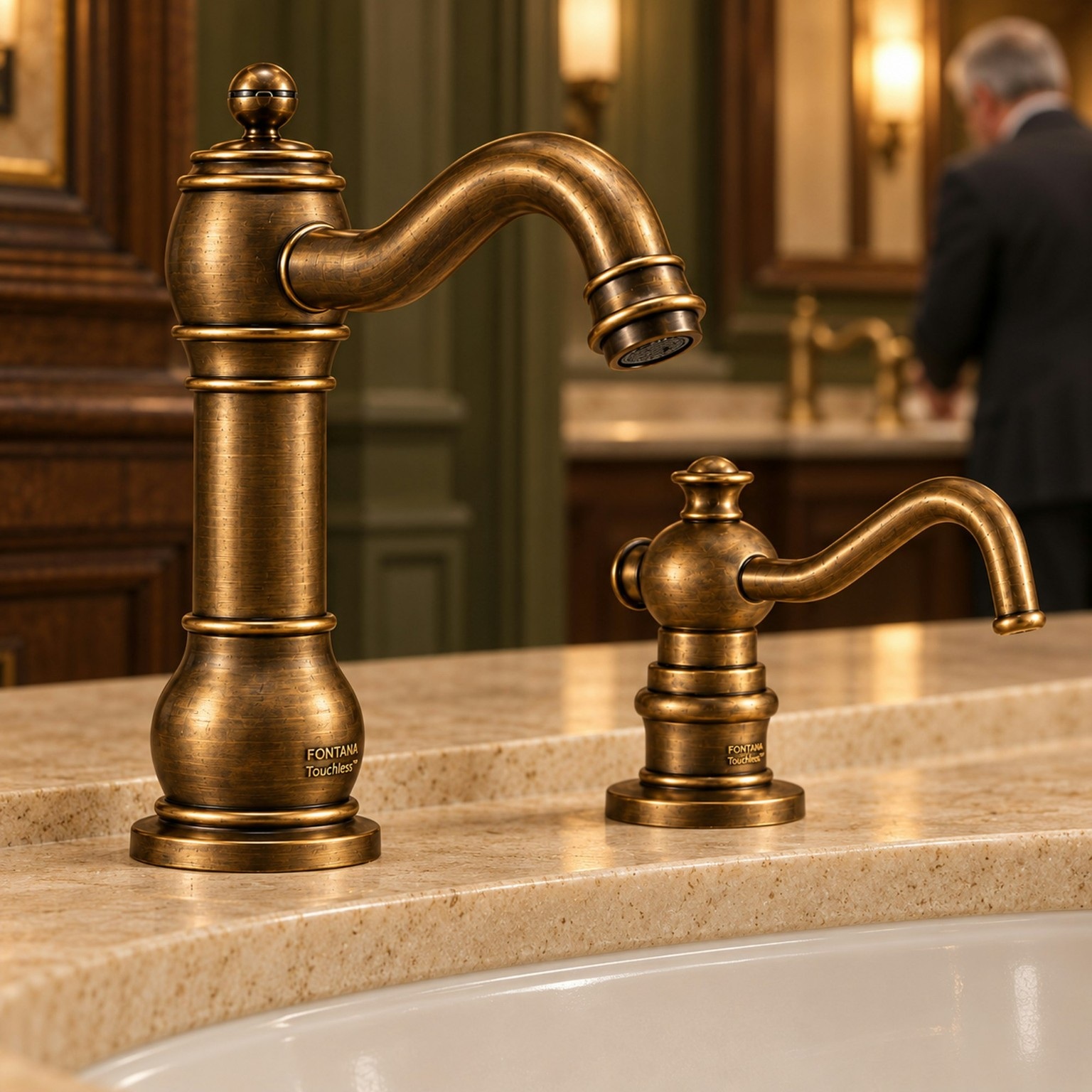
Retail environments may experience concentrated restroom use during weekends, holidays and promotional events. Durable dispensing equipment and accessible refill points are important.
View More
Dispenser placement should minimize soap spills outside the basin area, while providing a clear and intuitive user experience.
Commercial-grade materials, reliable sensor operation and practical maintenance arrangements can support long-term restroom management.
Stadiums & Entertainment Venues
Stadium restrooms operate under intensive periods of demand, particularly before events, during intervals and after large gatherings.
Read More
For large restroom banks, bulk-feed dispensing may reduce the number of individual containers that maintenance staff must inspect and replenish.
High-traffic specifications should also address vandal resistance, spare parts availability, power arrangements and rapid service access.
Healthcare & Medical Facilities
Healthcare settings require careful attention to hand-hygiene procedures, cleaning protocols, approved consumables and infection-prevention policies.
Learn More
Dispenser selection for clinical areas should follow the facility’s infection prevention requirements rather than general commercial design preferences.
Soap selection, sealed or refillable arrangements, cleaning procedures and dispenser placement should be reviewed with healthcare stakeholders. Clinical hand-hygiene recommendations may differ from general public restroom recommendations.
Corporate Offices & Workplaces
Office restroom design increasingly emphasizes coordinated fixtures, convenient operation and predictable facility maintenance. Touchless soap dispensing can form part of a unified washstation strategy.
View More
Designers should coordinate soap dispensers with faucets, lavatory dimensions, power distribution and accessible reach positions.
Facility managers should consider occupancy patterns, refill frequency, operating costs and consistency across multiple floors.
Centralized and Bulk-Feed Soap Dispensing Systems
Centralized soap supply can be an attractive option for buildings with multiple handwashing stations. Instead of maintaining an individual reservoir at every fixture, compatible systems distribute soap from a larger supply container through a designated pumping and tubing arrangement.
Advantages for High-Traffic Facilities
- Fewer individual reservoirs to inspect and replenish
- Centralized access to soap storage
- Potentially more efficient planned maintenance
- Coordinated soap delivery across multiple stations
- Options for concealed supply equipment
A centralized arrangement is not automatically preferable in every facility. Tubing distances, system capacity, installation complexity, supply isolation and maintenance procedures should be evaluated during specification.
Explore Commercial Soap Systems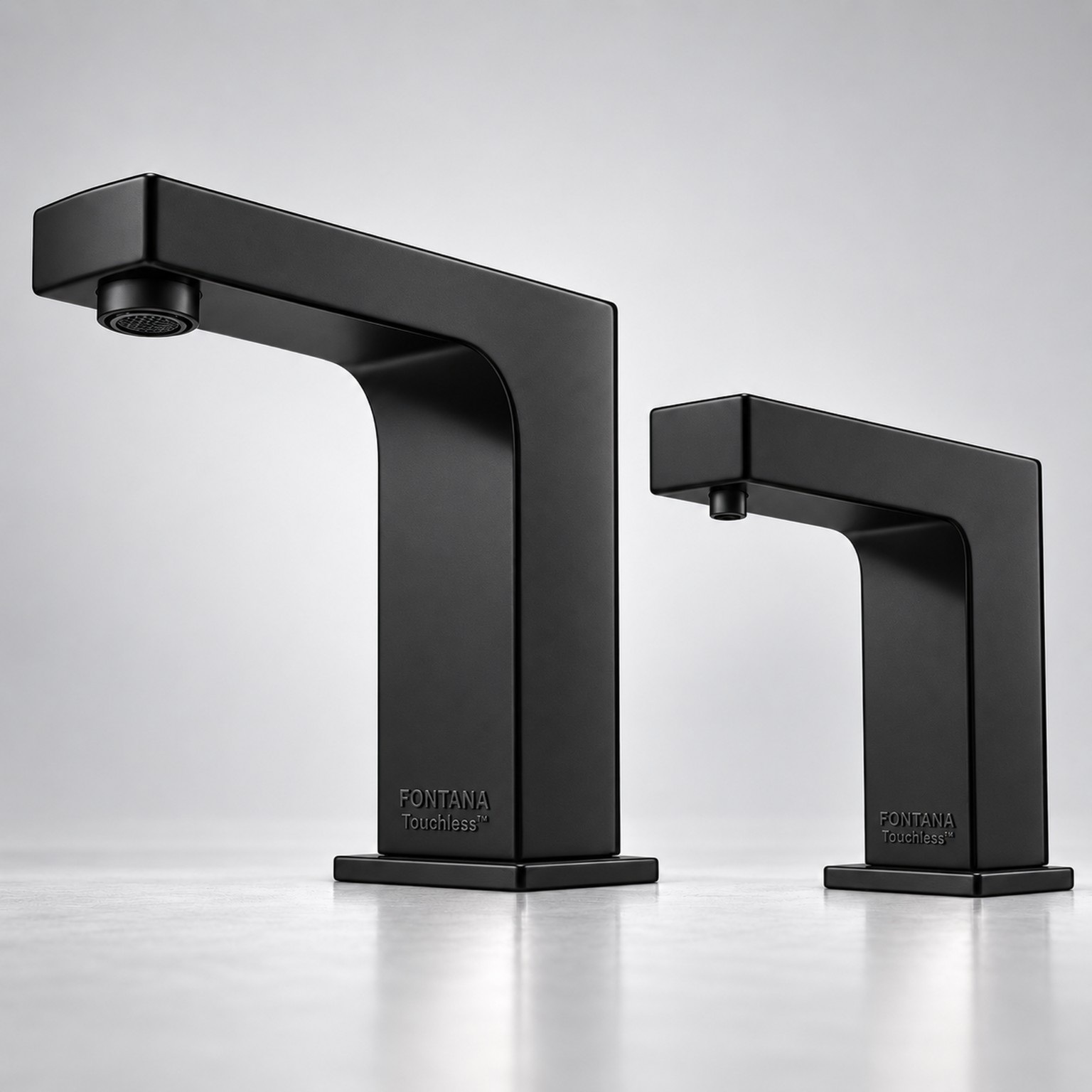
Read More — Engineering and Maintenance Considerations
Bulk-feed dispensing systems should be evaluated as complete assemblies rather than as independent outlet fixtures. Reservoir position, tubing runs, pump arrangement, fluid compatibility, cleaning access and replacement procedures can all influence reliability.
For new construction, the architect, plumbing designer, electrical designer and equipment supplier should coordinate concealed space requirements before cabinetry and wall finishes are finalized.
Service access must allow maintenance staff to inspect or replace consumable parts without unnecessary demolition or disruption of adjoining washstations.
Soap storage and refill procedures should follow the manufacturer’s instructions and applicable facility hygiene protocols. A larger reservoir does not eliminate the need for regular inspection and cleaning.
Coordinating Soap Dispensers with Touchless Faucets
A successful commercial washstation should function as an integrated environment. The dispenser, faucet, basin and drying provision should work together without creating awkward movement or unnecessary splashing.
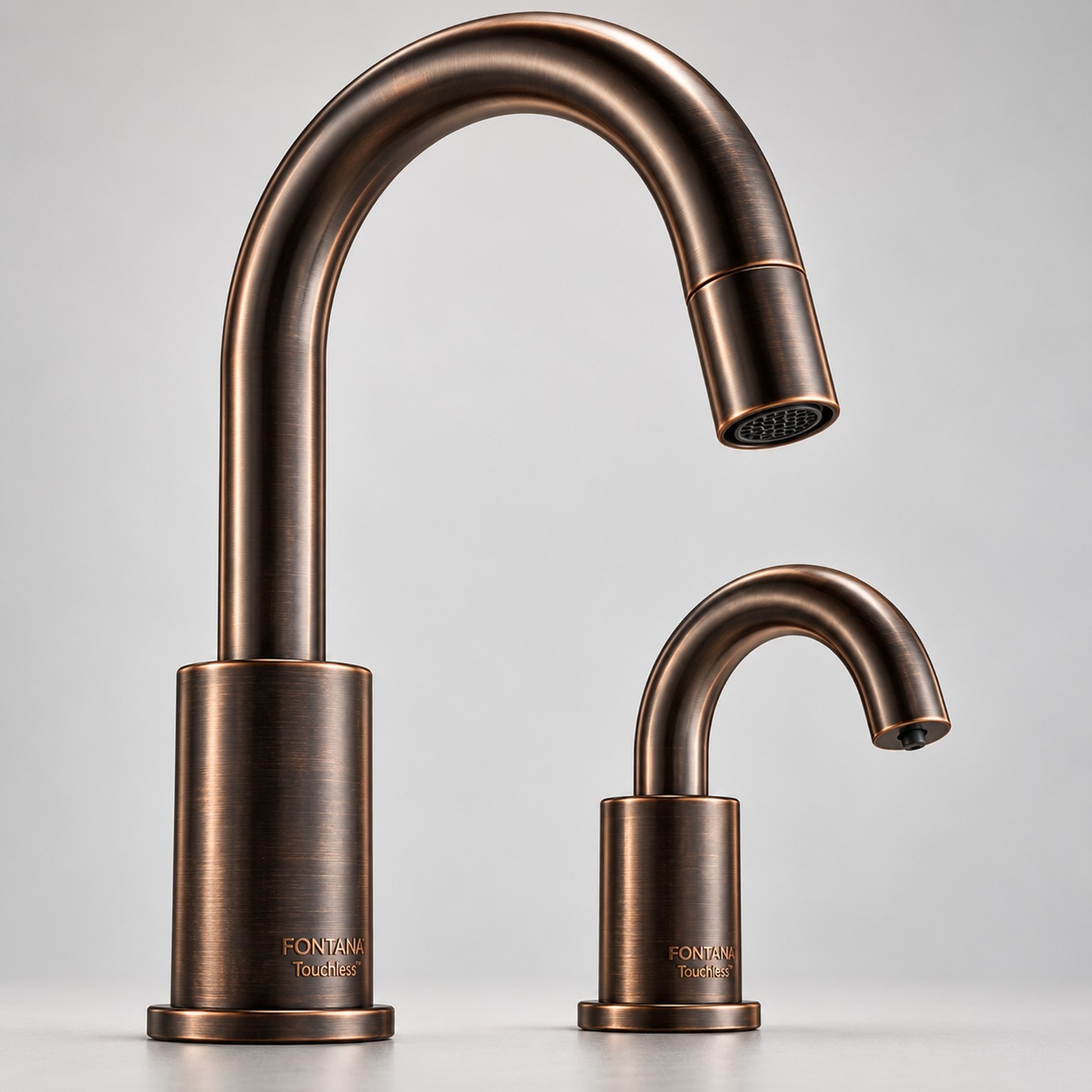
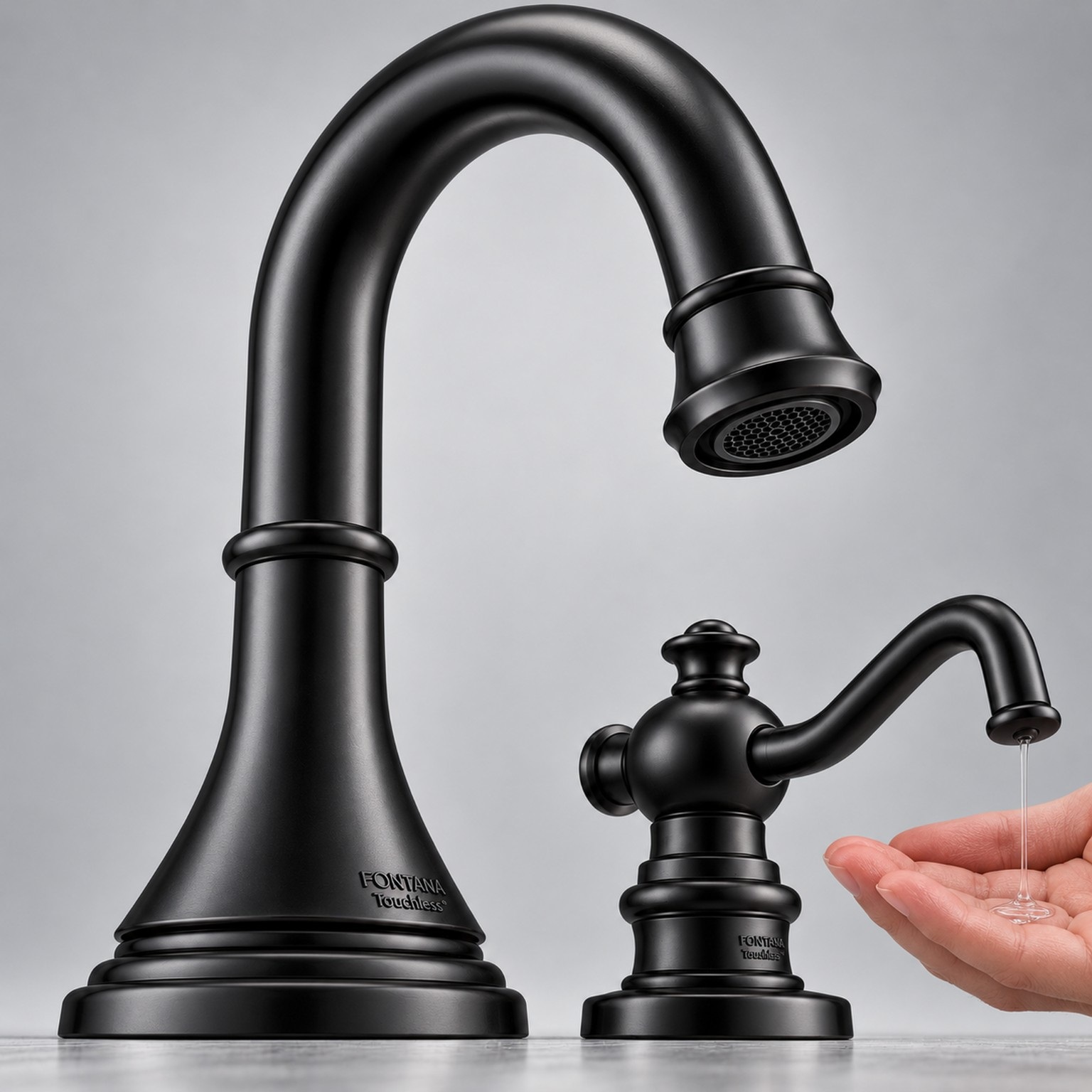
Important Washstation Coordination Details
Outlet Placement
Position soap delivery where users can comfortably place their hands without conflicting with the faucet spout or basin rim.
Sensor Boundaries
Ensure that activation zones do not unintentionally interfere with adjacent equipment or normal handwashing movements.
Architectural Finish
Coordinate dispenser and faucet finishes with the surrounding countertop, backsplash, mirrors and hardware.
Below-Counter Space
Reserve sufficient space for reservoirs, pumps, solenoids, power supplies and service access where applicable.
Electrical Coordination
Review power source requirements, permissible mounting locations, cable routing and enclosure protection.
Accessible Use
Coordinate user positioning, reach ranges, clear floor space and the functional location of dispensing equipment.
Accessibility and Soap Dispenser Placement
Accessible restroom design requires consideration of how users approach, reach and operate fixtures. Automatic activation does not independently establish compliance with accessibility standards.
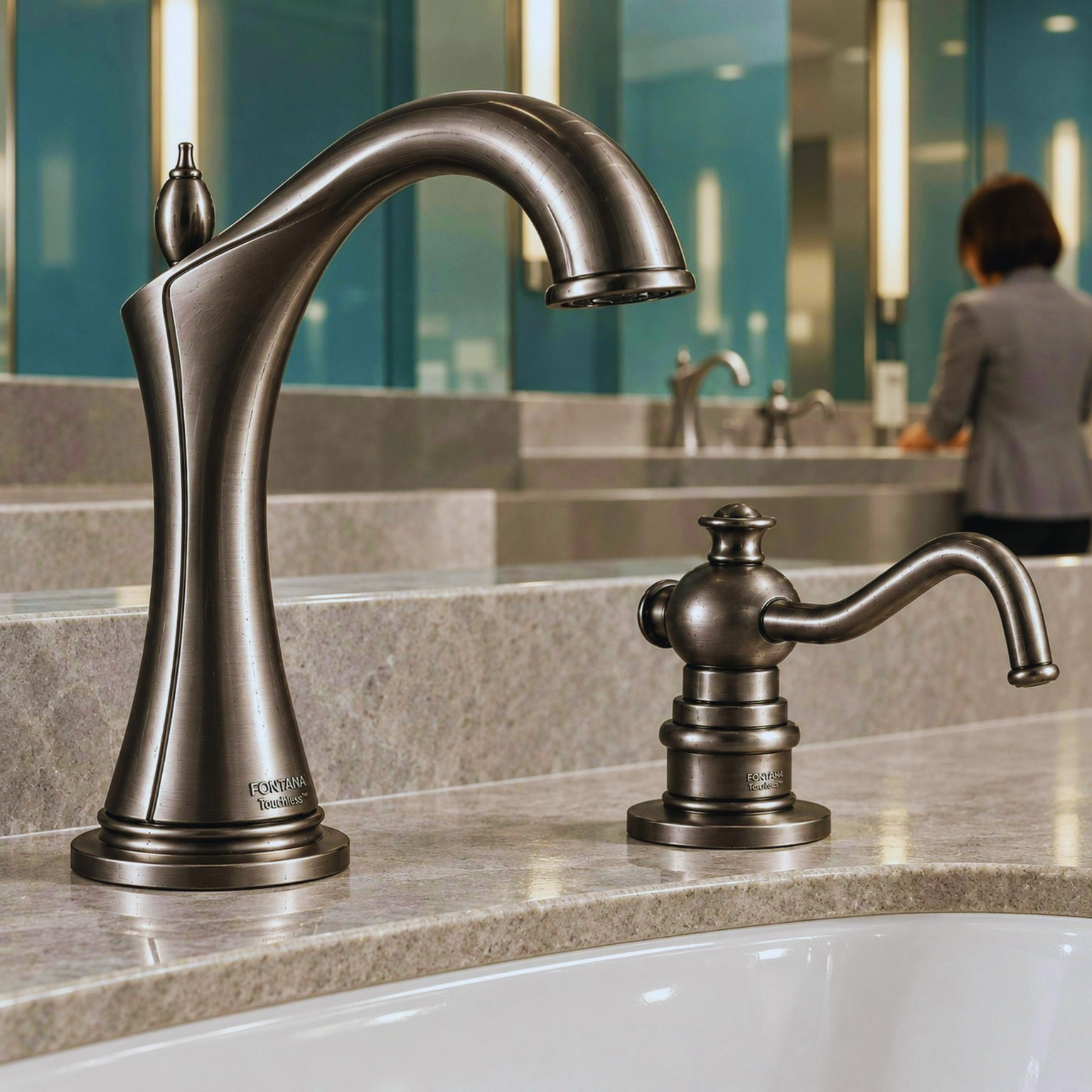
ADA Coordination
The 2010 ADA Standards address reach ranges and operable parts in Sections 308 and 309. For an unobstructed adult forward or side reach, the general range is 15 to 48 inches above the finished floor.
Where counters or other obstructions affect the reach, different limitations may apply. Soap dispensers should also be conveniently usable by a person at an accessible lavatory.
Read More — Accessible Installation
Designers should evaluate the full installed condition rather than relying on the dispenser’s nominal mounting height. Reach depth, countertop configuration, clear floor space, obstruction conditions and the actual activation area may affect usability.
Project-specific review should consider the 2010 ADA Standards, applicable ICC A117.1 provisions where adopted, and relevant local building requirements.
Maintenance, Reliability and Long-Term Operating Costs
The initial purchase price represents only part of the cost of a soap dispensing system. Long-term evaluation should account for soap consumption, maintenance labor, cleaning, energy or battery replacement, component availability and downtime.
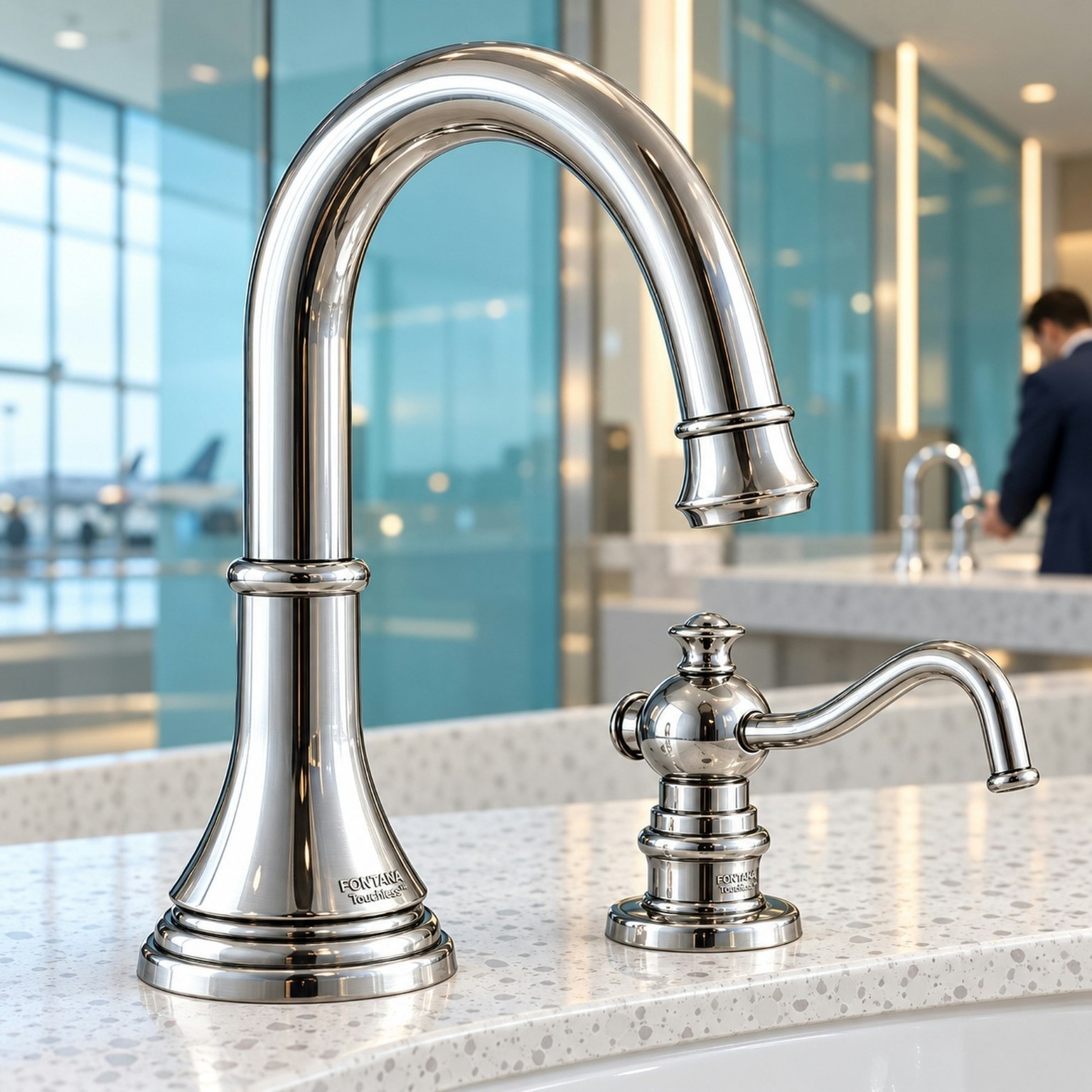
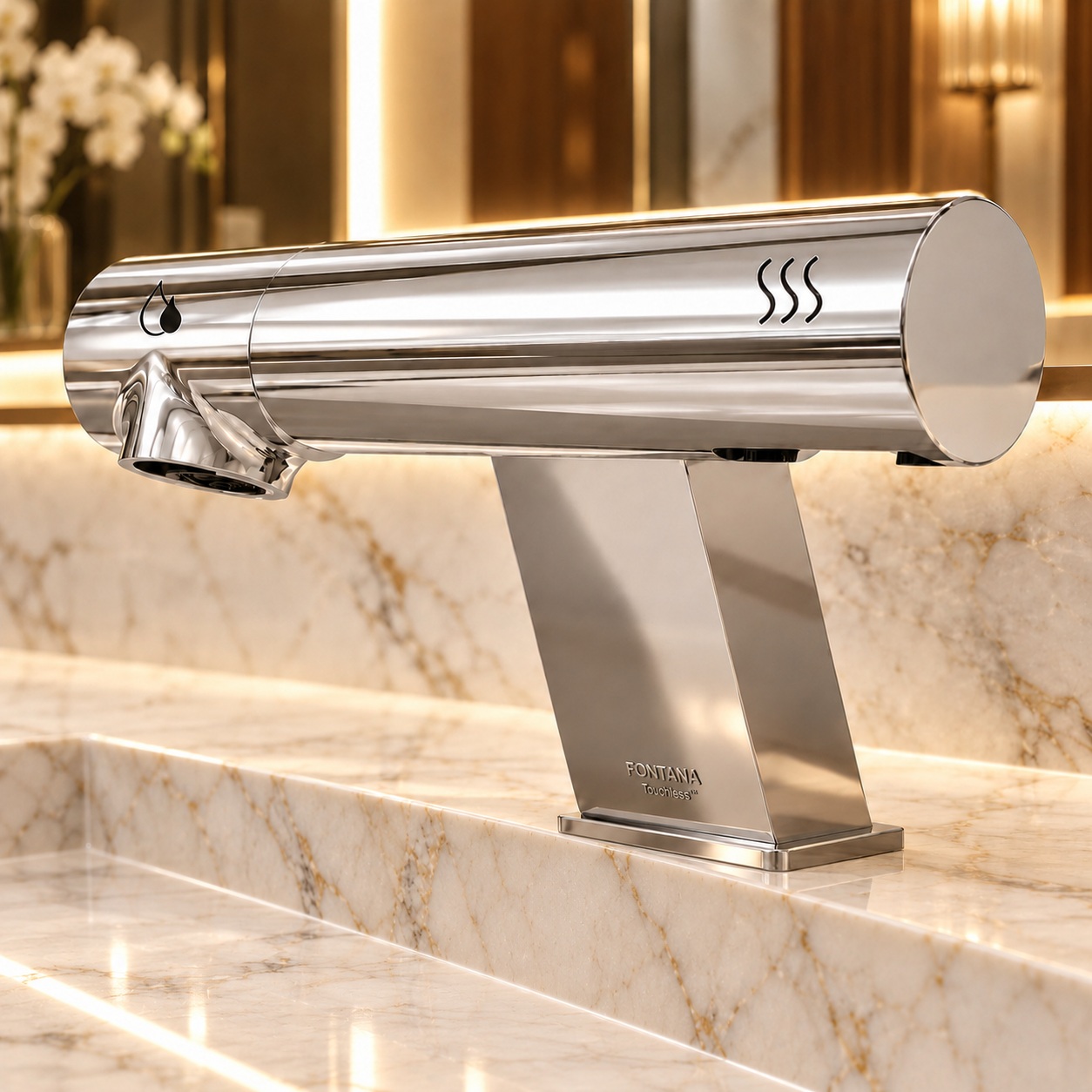
What Facility Managers Should Evaluate
| Maintenance Factor | Potential Operational Impact | Recommended Evaluation |
|---|---|---|
| Soap reservoir capacity | Influences refill intervals | Estimate demand per restroom |
| Dispense volume | Affects soap usage | Test compatible dose settings |
| Battery replacement | Creates recurring labor and material costs | Review projected battery life under actual use |
| Pump and nozzle maintenance | Influences reliability and service interruptions | Confirm cleaning and replacement procedures |
| Parts availability | Affects repair time | Confirm manufacturer support |
| Soap compatibility | Can affect clogging, dosing and component life | Follow approved formulation guidance |
Understanding Total Cost of Ownership
Procurement decisions are more useful when they consider actual operating conditions. An inexpensive dispenser with frequent refill requirements or difficult maintenance access may produce higher costs over time than a serviceable commercial-grade system.
Learn More — Practical Lifecycle Cost Evaluation
A basic lifecycle estimate can include initial equipment cost, installation, annual soap consumption, service labor, replacement parts, electrical consumption and expected equipment replacement.
Soap consumption can be estimated using the number of dispensing events, average dose and number of operating days. Actual figures should be established through field measurements rather than assumed solely from manufacturers’ maximum capacities.
For large venues, the time required to replenish multiple dispensers can become a meaningful operating factor. However, centralized supply introduces additional equipment and distribution requirements that must be included in the comparison.
The most economical solution is therefore the one that provides acceptable service quality at a sustainable total cost for the particular facility.
Commercial Soap Dispenser Specification Checklist
Architects, MEP engineers and procurement professionals should obtain complete manufacturer documentation before finalizing the soap dispensing package.
Fixture and Architectural Details
- Wall-mounted or deck-mounted configuration
- Overall dispenser dimensions
- Spout projection and mounting height
- Countertop opening and thickness limits
- Base materials and available finishes
- Installation and maintenance clearances
- Accessibility coordination
Electronic and Fluid System Details
- Sensor type and detection range
- Activation and reset behavior
- Soap type and viscosity compatibility
- Dispensing volume and dose adjustment
- Reservoir or centralized supply capacity
- Power input and battery options
- Ingress protection and electrical safety documentation
For specification approval: Obtain the exact product data sheet, installation instructions, wiring information, maintenance documentation and relevant testing or compliance records.
Commissioning Considerations
Following installation, dispenser operation should be checked under representative washstation conditions. The purpose is to verify correct activation, suitable soap output and dependable service access.
Read More — Installation and Commissioning
Commissioning should include confirmation of correct mounting, supply connections, power installation, soap compatibility and the manufacturer’s prescribed activation settings.
The installed detection zone should be checked with the intended basin and adjacent fixtures in place. The system should dispense when a user presents a hand normally, without repeated unintended activation.
Where several dispensers share a central soap supply, commissioning should include the relevant feed lines, pumps, connections and service isolation arrangements.
Facilities should retain maintenance instructions, approved soap information and replacement component details for future service personnel.
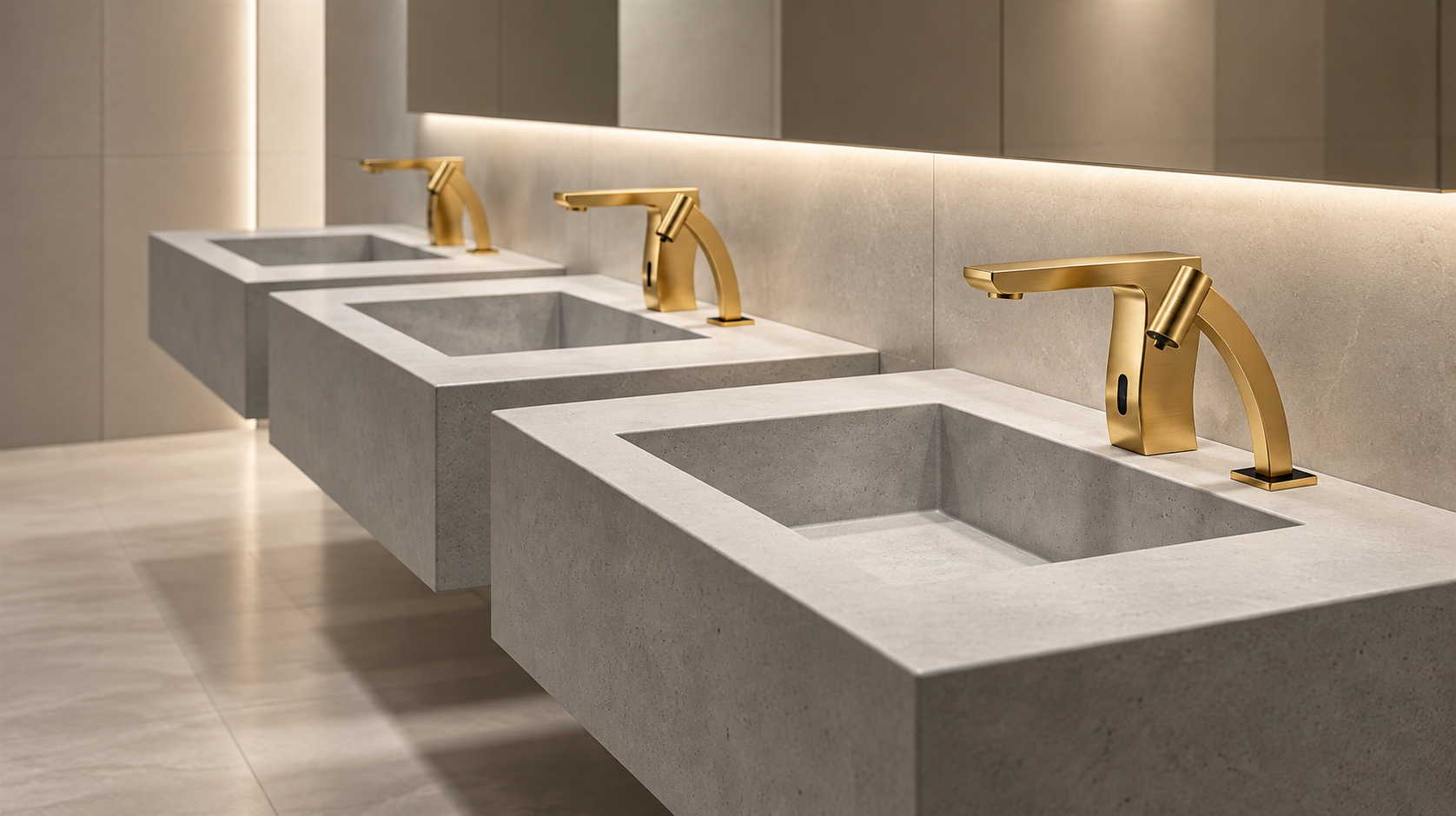
Matching Soap Dispenser Finishes with Restroom Design
Commercial soap dispensers are visible elements of the architectural washstation. Finish selection should support the surrounding materials while accounting for cleaning practices, traffic and long-term appearance.
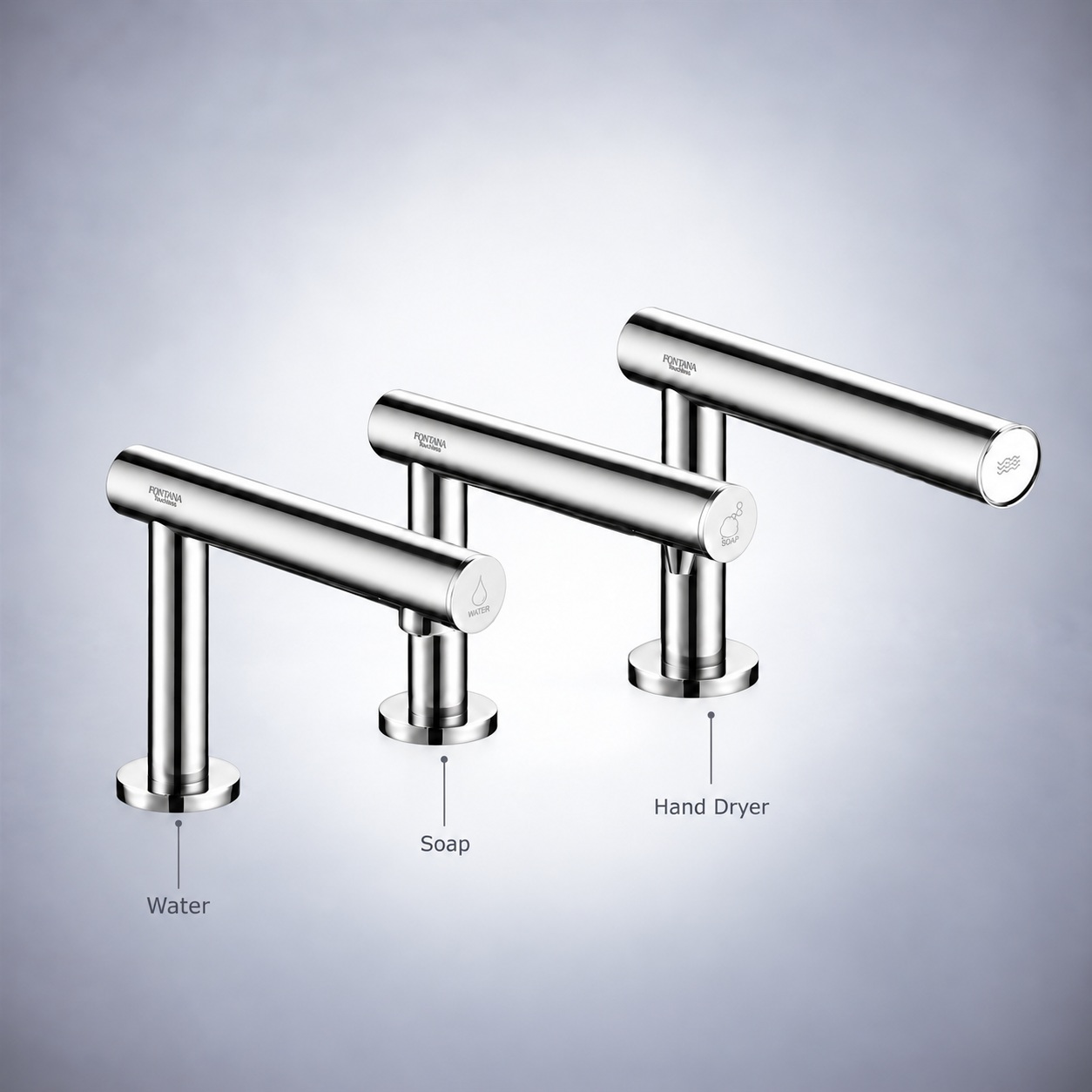
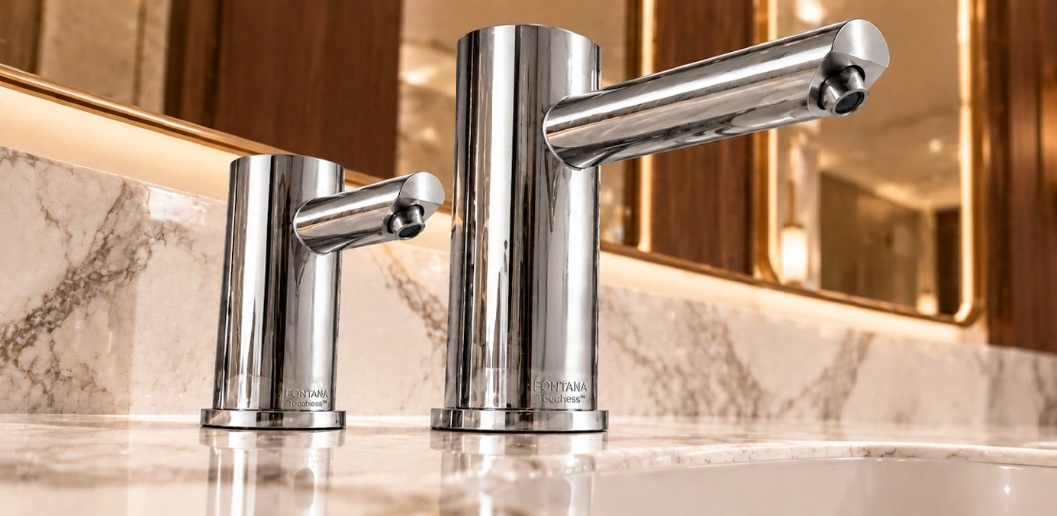
Polished Chrome
A versatile reflective finish that works with many modern and traditional commercial restroom designs.
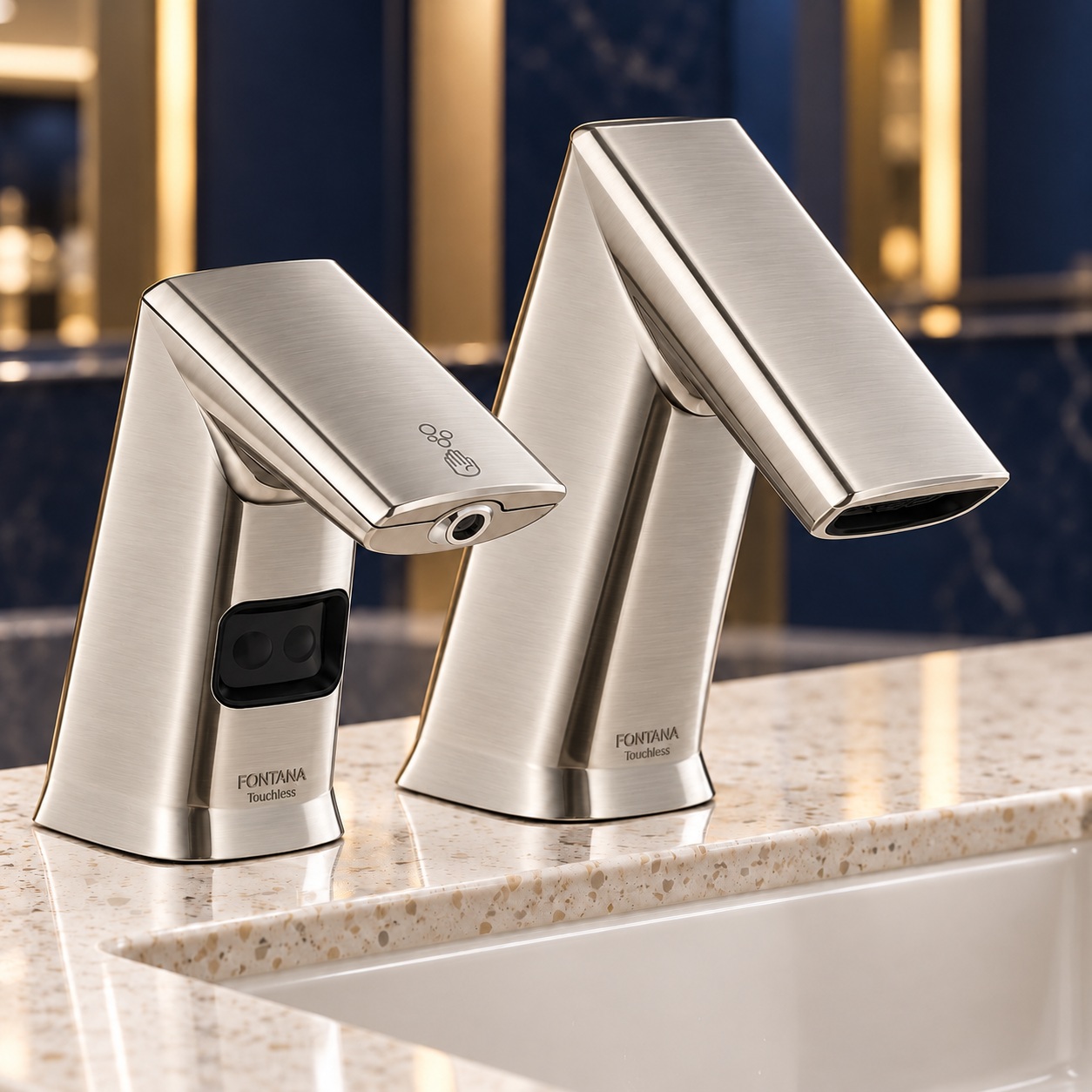
Brushed Nickel
A subdued metallic appearance often used in corporate offices, hospitality properties and contemporary interiors.
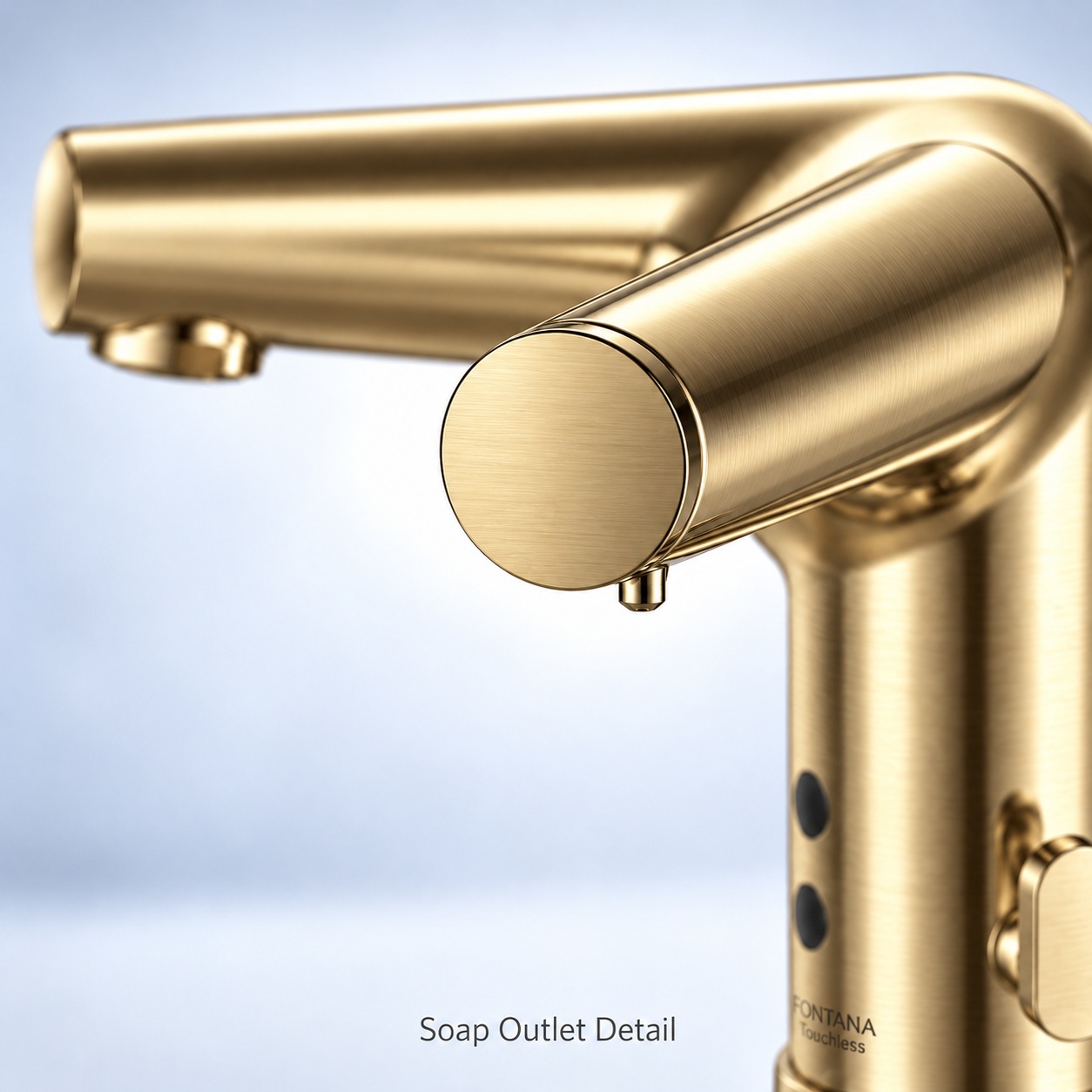
Brushed Gold
A warm architectural finish suited to upscale interiors where the washstation contributes to the overall design identity.
View More — Material and Finish Selection
Finish selection should consider the manufacturer’s recommended cleaning methods, exposure conditions and warranty limitations. Similar-looking finishes from different product families may not match perfectly.
When using coordinating faucet and soap dispenser collections, architects should review actual finish samples, mounting dimensions and the available product range before approving the specification.
Common Soap Dispensing Problems and How to Prevent Them
Reliable operation depends on choosing suitable equipment, following installation requirements and maintaining compatible soap supplies.
| Common Issue | Possible Cause | Recommended Response |
|---|---|---|
| Dispenser does not activate | Power, sensor obstruction or detection setting | Check manufacturer troubleshooting guidance |
| Inconsistent soap output | Low supply, air in line, incompatible soap or pump condition | Inspect soap supply and approved service components |
| Unintended activation | Sensor position, reflections or incorrect calibration | Review placement and sensing configuration |
| Soap drips after use | Nozzle, valve or fluid-system condition | Inspect according to maintenance instructions |
| Frequent refilling | Capacity is insufficient for actual traffic | Reassess reservoir size or supply strategy |
| Difficult servicing | Insufficient access or poorly coordinated cabinetry | Improve service clearances during design |
Learn More — Preventive Maintenance
Preventive maintenance should follow the manufacturer’s specified cleaning and inspection intervals. Different dispenser technologies may have distinct service requirements.
Maintenance staff should avoid substituting incompatible soap formulations or improvised replacement components. These changes may impair dispensing performance or damage the fluid system.
A documented maintenance process helps ensure that empty or malfunctioning dispensers are identified before they affect large numbers of restroom users.
How to Choose the Best Soap Dispenser for Your Project
The most effective purchasing process begins by matching restroom demand and architectural requirements with the capabilities of the dispenser.
For Architects and Designers
Prioritize dimensional coordination, accessible placement, finish consistency, sink compatibility and service clearances. Request technical drawings before final approval of countertops or millwork.
For Facility Managers
Compare refill frequency, soap compatibility, pump reliability, cleaning requirements, spare parts and long-term maintenance costs.
For Contractors and Installers
Confirm mounting requirements, electrical coordination, reservoir placement, installation tolerances and practical access to concealed components.
For Developers and Owners
Evaluate appearance, user convenience, standardized maintenance, capital costs and the expected lifecycle of the equipment across the property portfolio.
Recommended approach: Select a dispensing configuration based on measured demand, maintainability and project requirements rather than appearance or initial cost alone.
Frequently Asked Questions About Soap Dispensers
What is the best type of soap dispenser for commercial restrooms?
Automatic commercial-grade dispensers are often suitable for high-traffic public restrooms because they support hands-free activation and controlled soap delivery. The most suitable configuration depends on traffic, mounting requirements, refill strategy and maintenance capability.
Are touchless soap dispensers more hygienic?
Touchless dispensing eliminates the need to press a shared dispenser control. This reduces contact with that particular surface, but proper handwashing, cleaning and soap availability remain essential.
Is foam soap better than liquid soap?
Neither format is universally preferable. Soap formulation, compatible dispensing equipment, correct dosage and user practices matter more than the format alone.
Should commercial soap dispensers be wall-mounted or deck-mounted?
Wall-mounted models can conserve countertop space, while deck-mounted fixtures provide an integrated appearance. Evaluate the installation geometry, accessible reach, available service space and basin design.
What is a bulk-feed soap dispensing system?
A bulk-feed system distributes soap from a centralized supply to multiple compatible dispensing outlets. Such systems may simplify refill logistics in large restroom installations, although they require additional planning and maintenance coordination.
Do automatic soap dispensers require electricity?
Automatic dispensers require a power source, commonly batteries, a suitable external electrical supply or a supported combination. The exact requirements vary by model.
Can a touchless soap dispenser satisfy ADA requirements?
Touchless activation may support accessible operation, but compliance depends on the complete installation, including reach, clear floor space and applicable accessibility provisions.
How frequently should commercial soap dispensers be serviced?
Service frequency depends on actual restroom usage, reservoir capacity, soap consumption and manufacturer requirements. High-traffic restrooms may require more frequent inspection and replenishment.
Can any soap be used in an automatic dispenser?
No. Automatic dispensers can require specific liquid or foam formulations and compatible viscosity ranges. Follow the manufacturer’s approved soap and maintenance instructions.
What features matter most when buying soap dispensers in 2026?
Important features include reliable activation, compatible soap delivery, suitable reservoir capacity, accessible installation, maintenance access, component availability and a durable finish appropriate for the intended environment.
Final Considerations for Soap Dispensing in 2026
The best soap dispensing solutions combine reliable operation, thoughtful architectural integration and a manageable maintenance strategy. Automatic sensor dispensers can provide a convenient hands-free experience, while wall-mounted, deck-mounted and centralized configurations address different spatial and operational needs.
For hotels, workplaces, malls, airports, stadiums and institutional projects, selection should be based on the entire handwashing environment rather than the dispenser alone.
By evaluating sensor performance, soap compatibility, accessibility, reservoir capacity, mounting details and long-term servicing, project teams can develop washstations that are practical, visually coordinated and appropriate for their intended use.
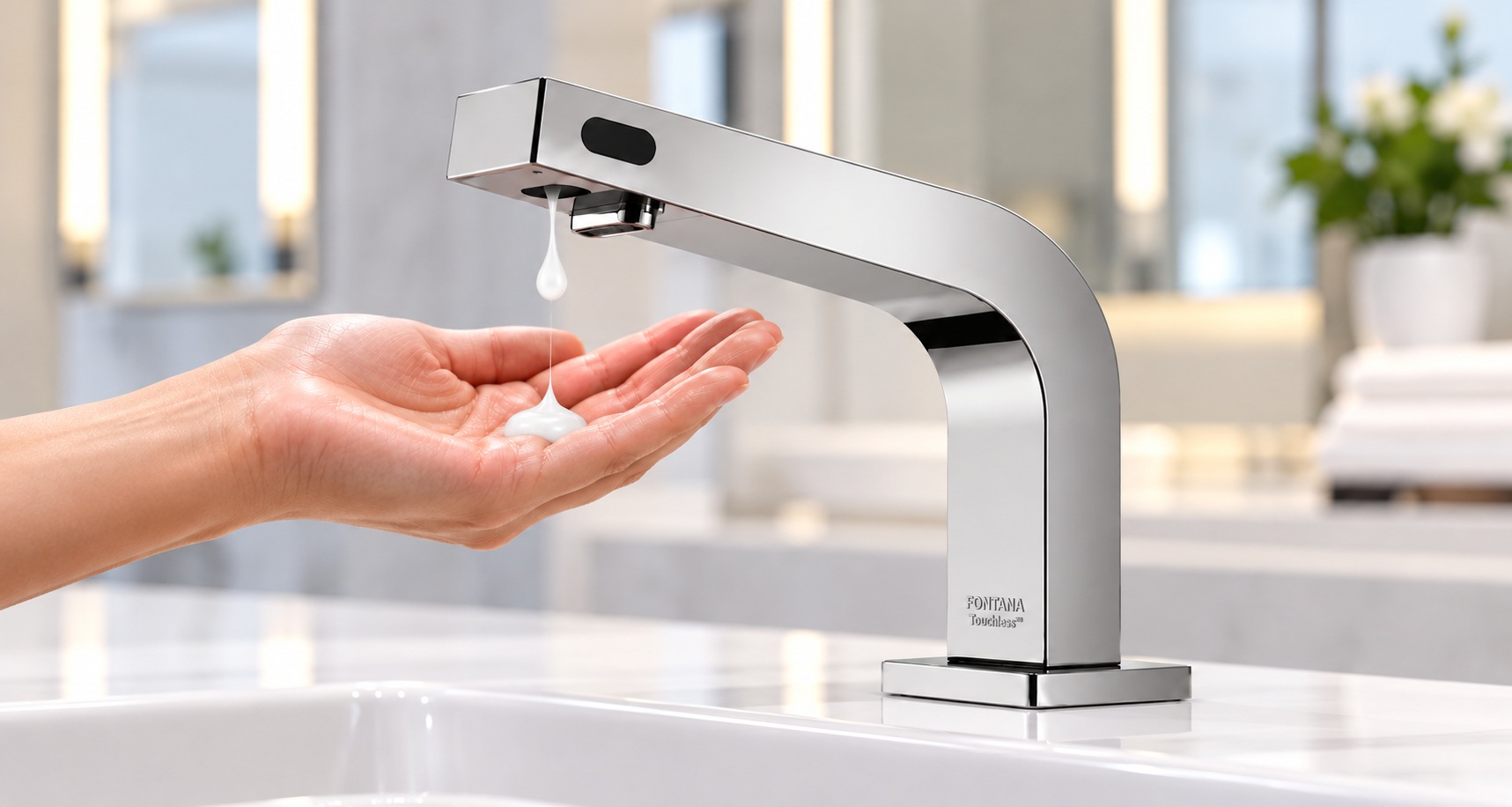
Explore Commercial Soap Dispensing Solutions
Discover automatic soap dispensers, commercial touchless fixtures and coordinated faucet-and-dispenser configurations for your next architectural or facility project.
Technical References and Hand-Hygiene Guidance
For additional guidance on handwashing, accessible restroom design and dispenser selection, consult these public health and technical resources.
CDC Handwashing Guidance
Guidance on washing hands with soap and water and maintaining effective hand hygiene in everyday environments.
CDC Handwashing Resources →ADA Accessible Design Standards
Official provisions covering accessible reach ranges, operable parts and restroom-related accessibility.
Review ADA Design Standards →Product specifications, installation conditions, available configurations and regulatory requirements vary by product and project. Consult current manufacturer documentation and applicable local requirements before approving a commercial restroom installation.